Valuable Volunteers

Some garden plants are very happy to oblige my lack of garden design expertise, taking it upon themselves to fill in spaces I never would have considered using as flower beds. The results are usually pleasing.
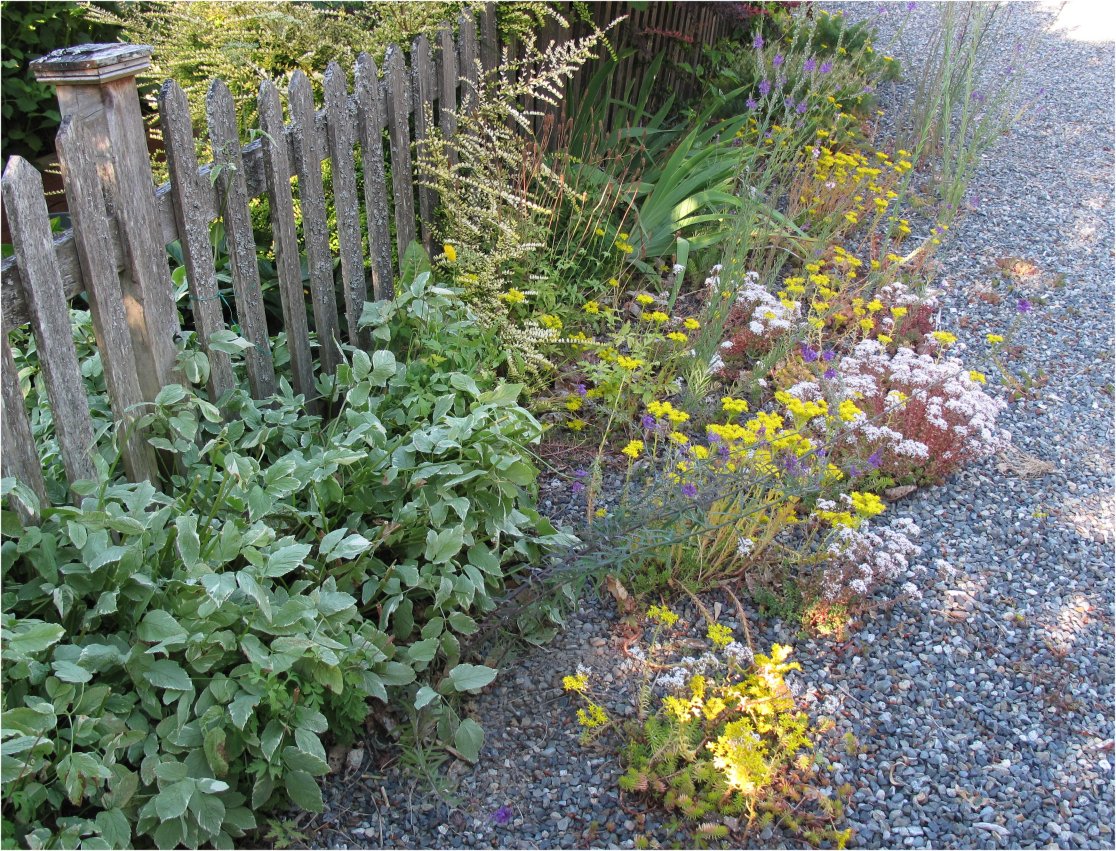
gravel driveway

Volunteer yellow and white Sedum bloom in gravel driveway

The tiny yellow blooms on elongating succulent stalks are probably Sedum rupestre, which is also known as Sedum reflexum.
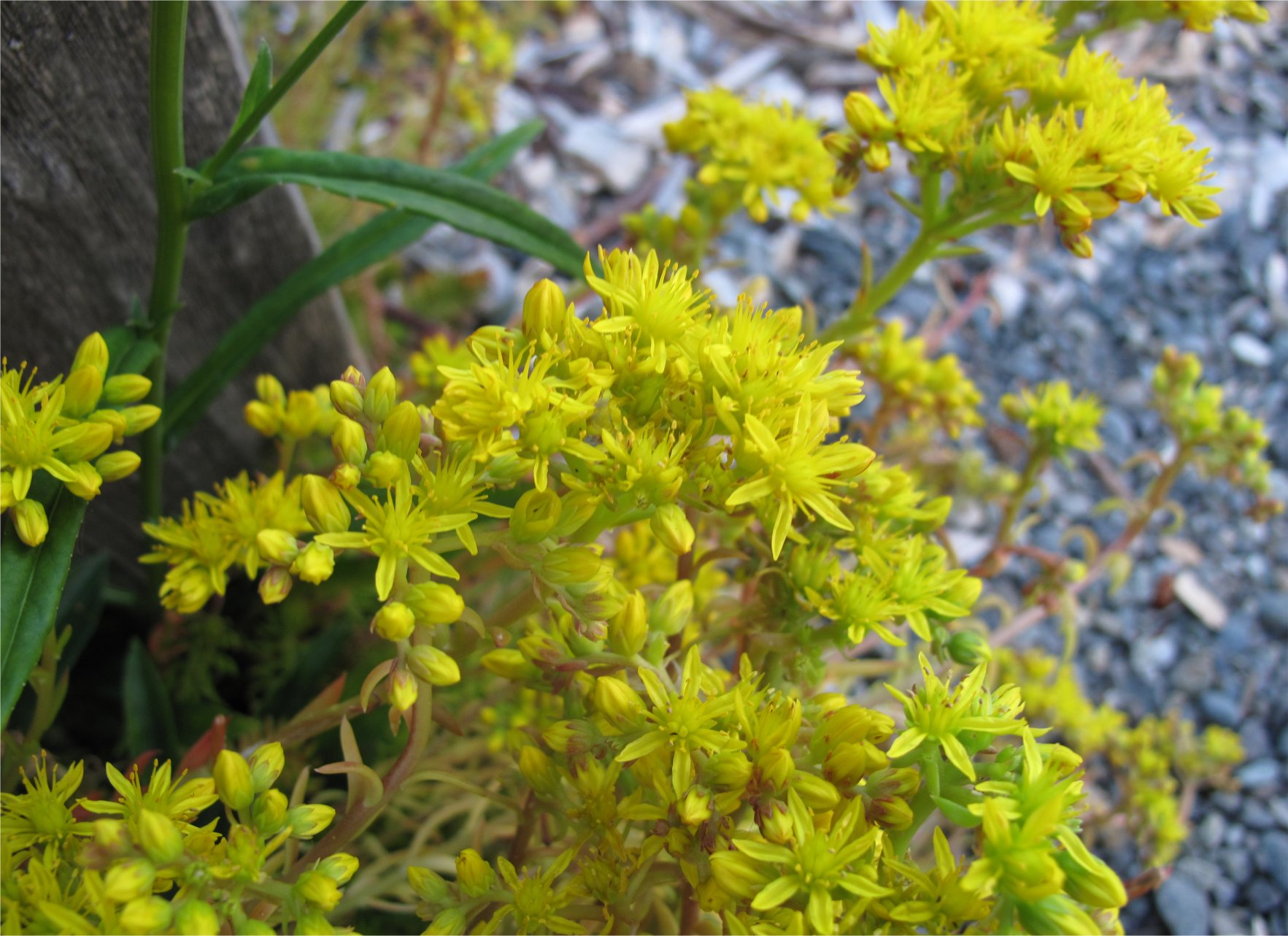
rupestre

This sedum is native to northern, central, and southwestern Europe and naturalizes easily in lean soils lacking much organic matter (think gravelly driveways).
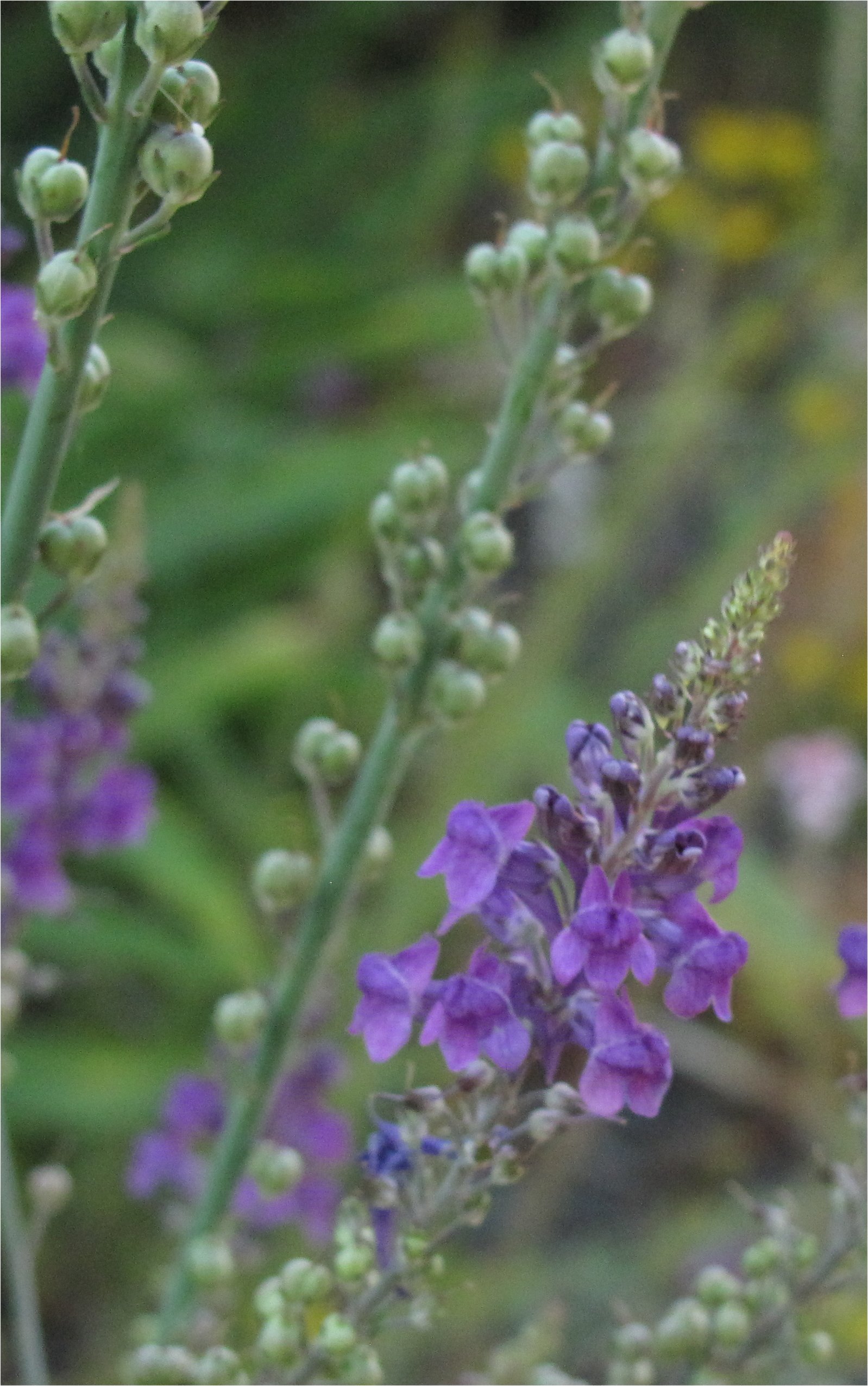
Linaria purpurea

Linaria purpurea

Completing the arrangement are Bishop’s Weed (the variegated green-leaved plant directly against the fence), a white blooming sedum, and Linaria purpurea (Purple Toadflax), which is past its prime and has mostly gone to seed. Earlier this summer Welsh poppies added to the mix.

All these plants colonized part of the gravel driveway in front of the aging cedar picket fence.

Just a few weeks ago the Linaria purpurea, Sedum rupestre and Welsh poppies (Meconopsis cambrica) were blooming profusely in concert. I was preoccupied with other tasks and missed getting a picture, but I thoroughly enjoyed the view whenever I walked from the driveway to the front door.

Of the four plants, my only regret is the Bishop’s Weed, which is far to aggressive for my tastes.

The Welsh poppies in the driveway have mostly gone to seed, but new seedlings still appear sporadically in other parts of the garden.
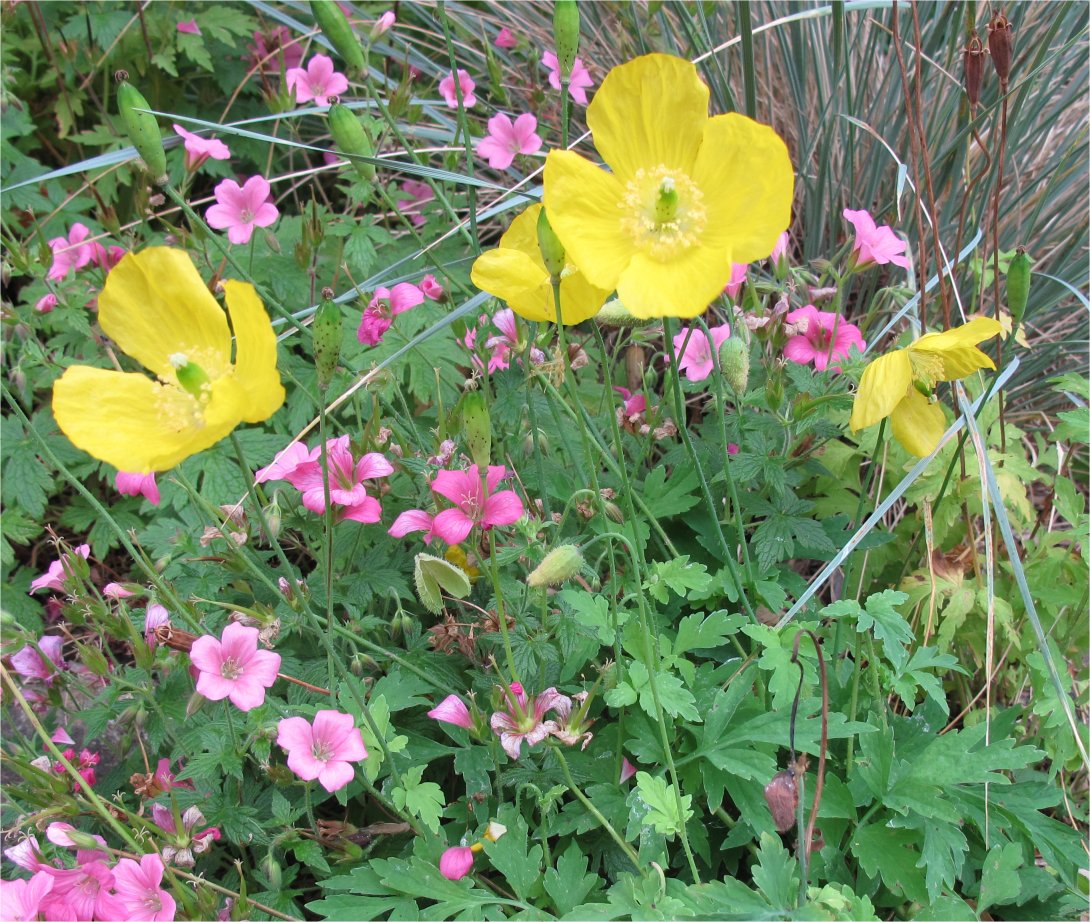
Welsh poppies

seeds meconopsis cambrica

Meconopsis cambrica seeds

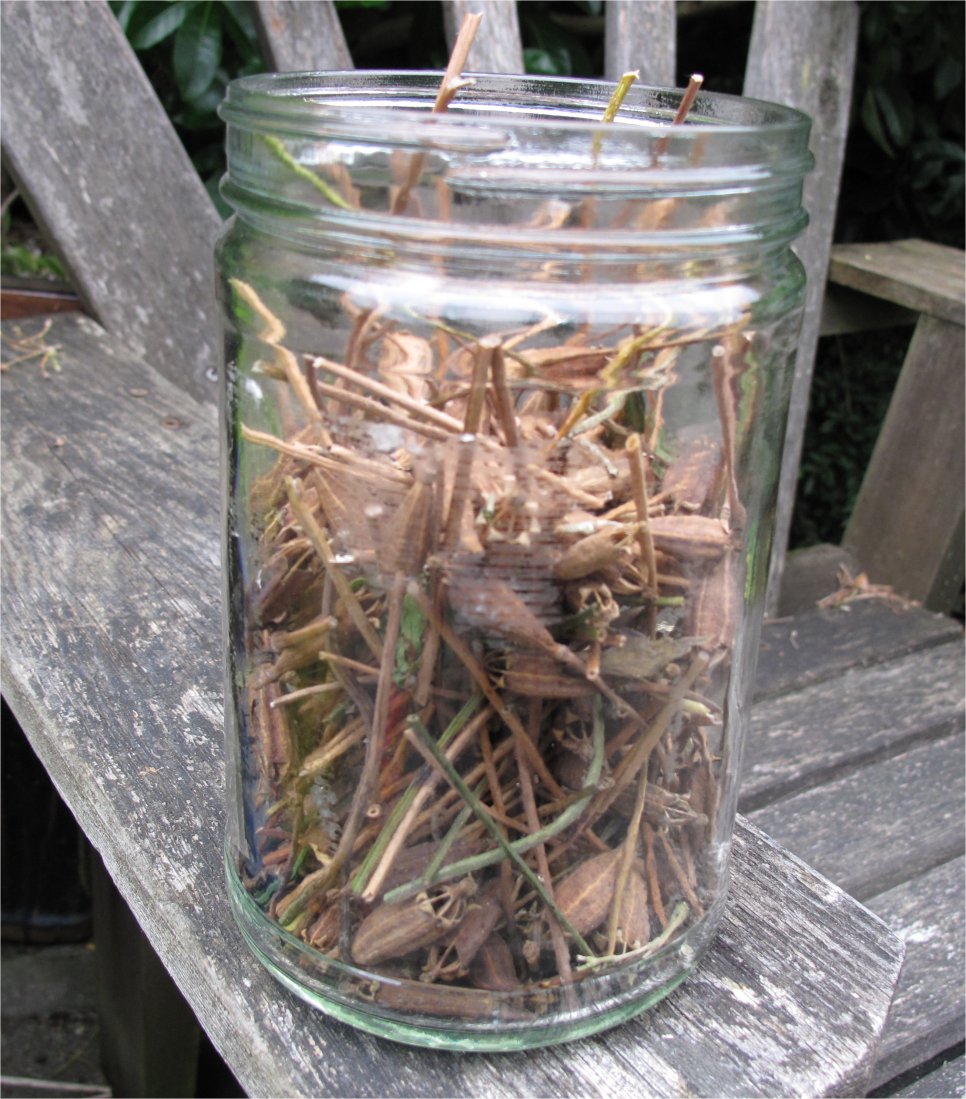
My neighbor, impressed with last month’s plethora of yellow-golden blooms requested seeds for her yard, so I let the driveway Welsh poppies go entirely to seed. Normally, whenever I walk by the blooming poppies I deadhead the newly formed seedheads to encourage more bloom, but this time I just let them ripen on the plant.

It was easy to cut off the stems and seed heads and collect them in a glass jar for scattering around her garden next March.

The BBC gardening guide website had this to say about Meconopsis cambrica:

Common Name: Welsh poppy
Genus: Meconopsis
Species: cambrica
Skill Level: Beginner
Exposure: Full sun, Partial shade, Shade
Hardiness: Hardy
Soil type: Well-drained/light, Acidic, Chalky/alkaline
Height: 45cm
Spread: 20cm
Time to plant seeds: March to May

The Welsh poppy is happy almost anywhere, and spreads freely in many gardens. Plants are short and bushy, with elegant graceful foliage and lots of large, flimsy golden poppy flowers produced in succession from late spring to early autumn. Plants are not very long-lived but usually self-seed freely. Like all poppies, they dislike root disturbance, so plant pot-grown specimens and allow their seedlings to come up wherever they germinate naturally. These seedlings are then much more resilient than the pot-grown plants.
June Bloom

Despite the garden taking off and plants blooming like crazy, it’s been more than five weeks since my last post. Plenty of blooming beauties to photograph, yet I haven’t managed to find the time for even a few pix. So what’s been holding things up?

zonal denial greenhouse

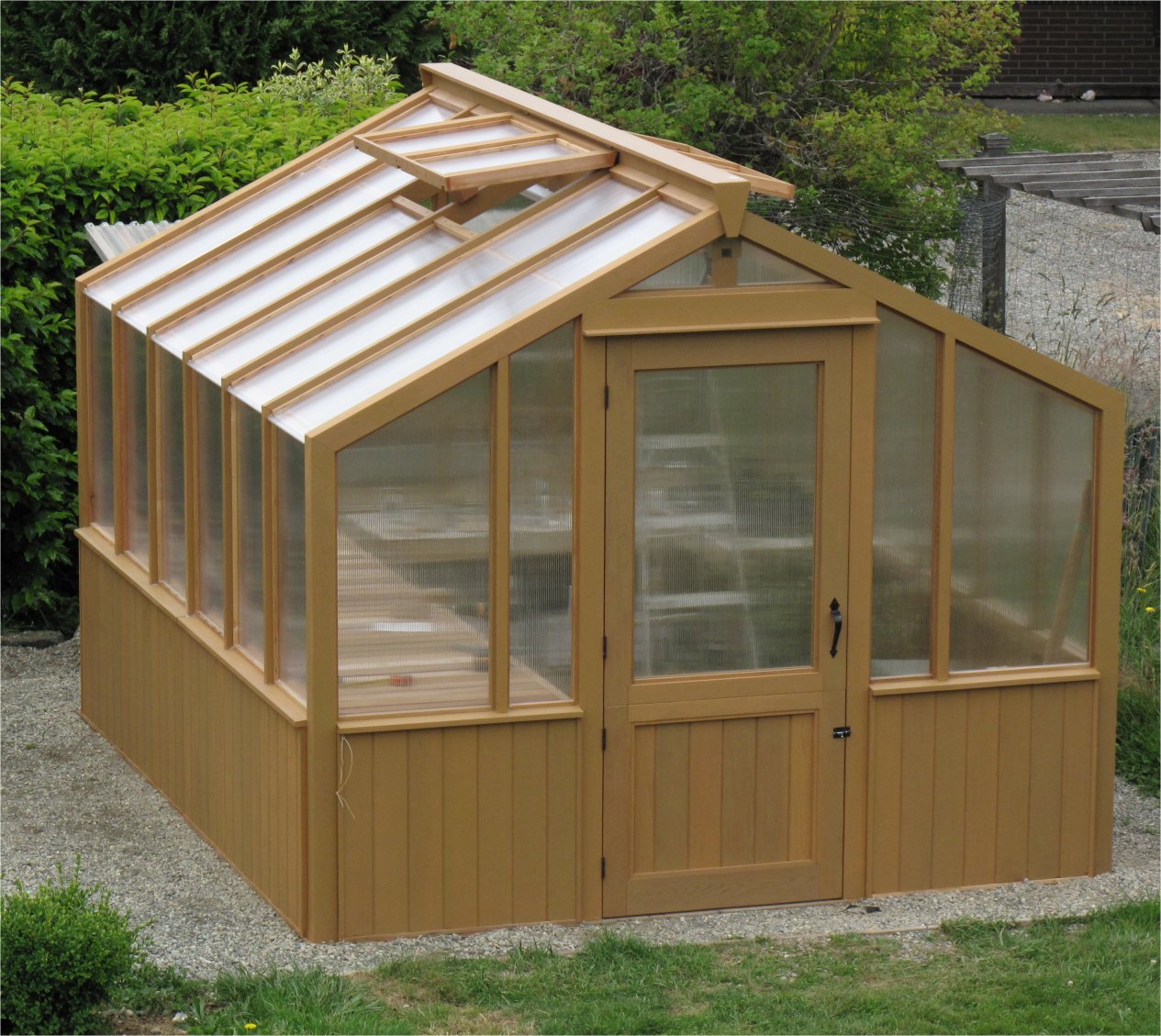
New cedar greenhouse aka zonal denial enabler

That’s my new greenhouse, designed (I hope) to withstand our very windy site. Although a kit, it still required many hours of work to get to this point. With 4 X 4 cedar posts and heavy beams, I’m hoping it will be up to the task of occasional 60 to 80 mph gusts during winter storms.

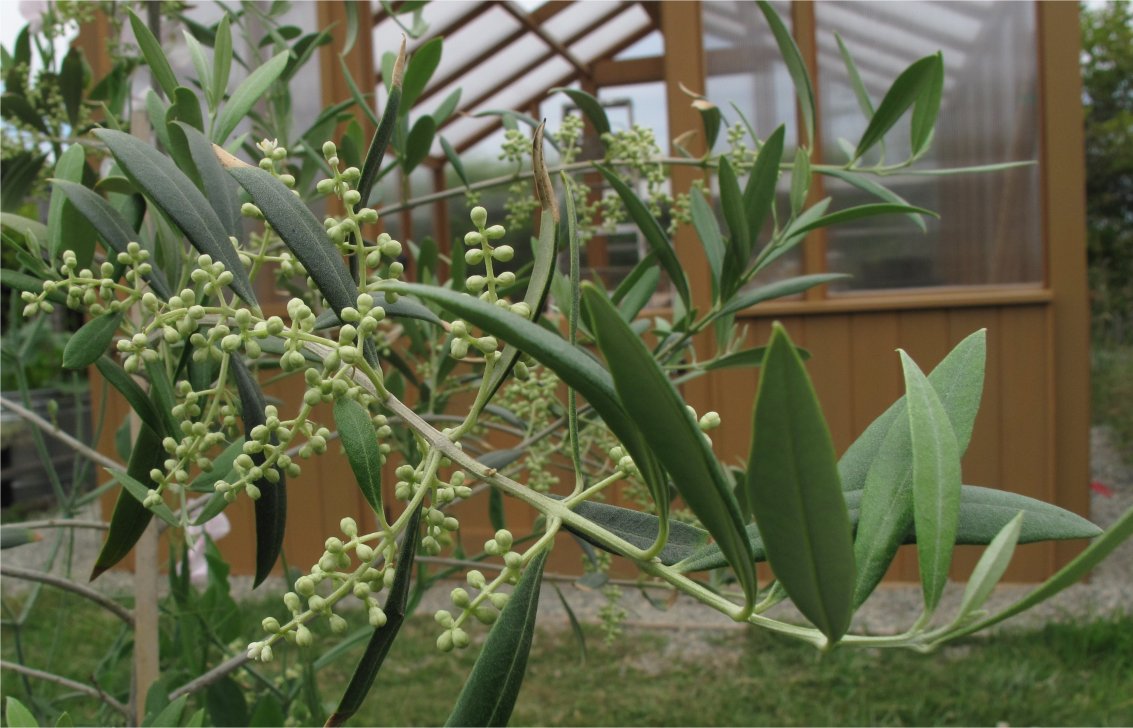
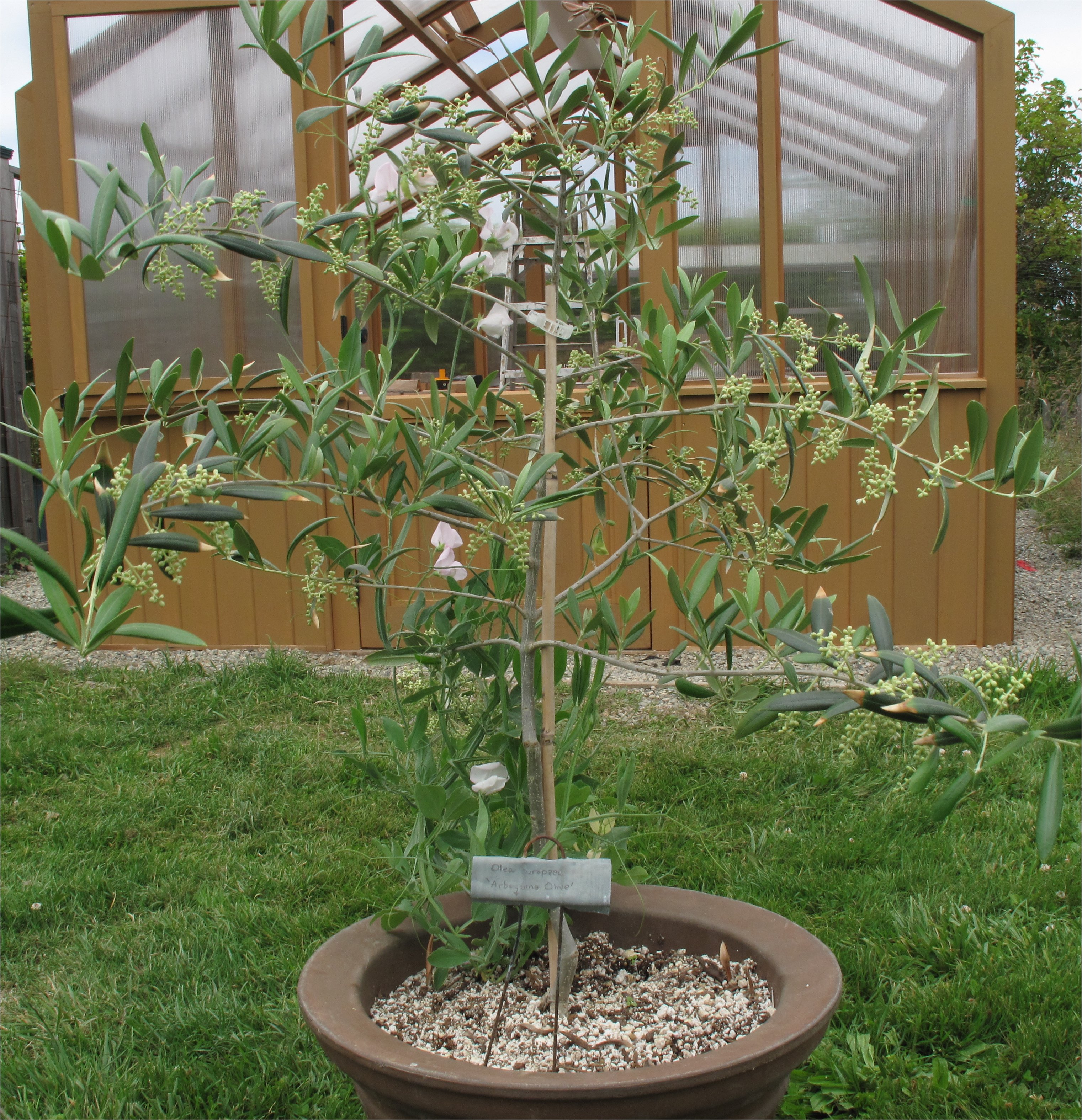
I plan to use supplemental heat on the coldest winter days to keep the inside no lower than 40° F. That qualifies as a “cool” greenhouse, but will be just enough to keep plants like this potted olive tree, Olea europaea ‘arbequina, safe all winter.

Olea europaea arbequina

Olea europaea arbequina

Many of my “zonal denial” plants will find their winter home in the greenhouse. But like many gardeners first attracted to ornamentals I’m growing more and more edibles, so the greenhouse will also help me start veggie seeds besides being the winter home for this olive tree, which is now covered in tiny buds.

olive3

Olea europaea ‘arbequina buds soon to be tiny white, fragrant flowers

Now, instead of worrying about cold temperatures, better to concentrate on what’s happening in the garden right now and finally take some pix.

propane cannister

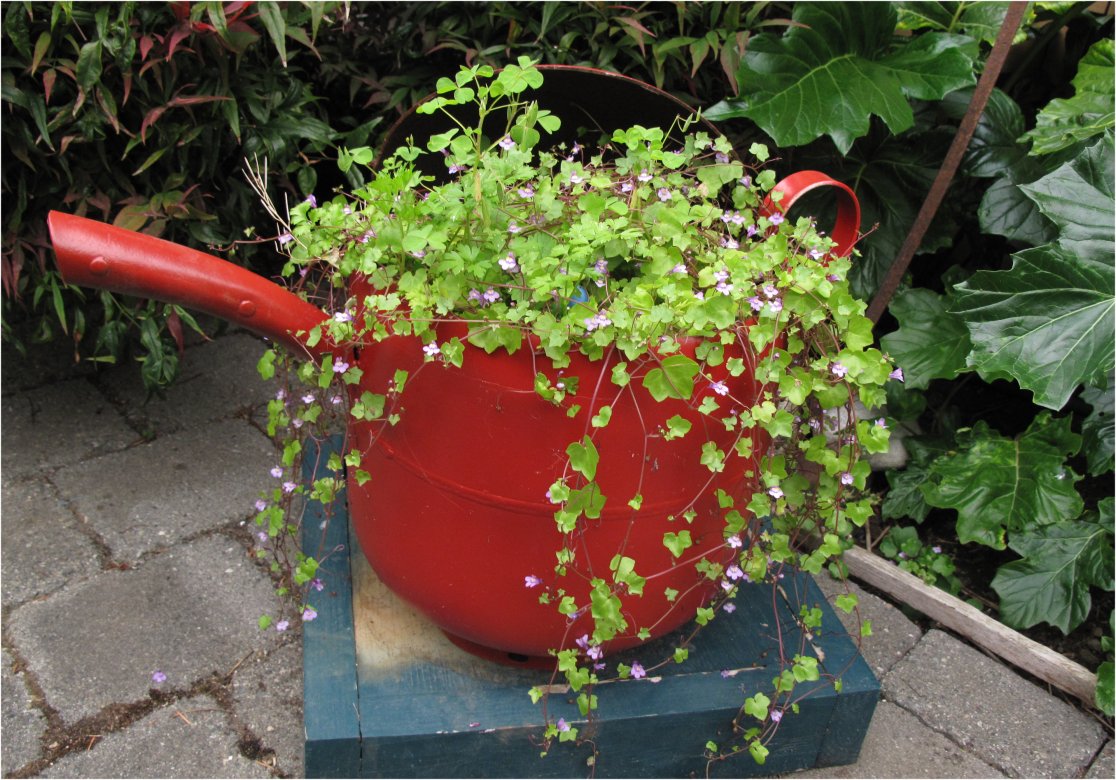
Propane cannister turned into planter locks nice against Acanthus leaves

Yucca

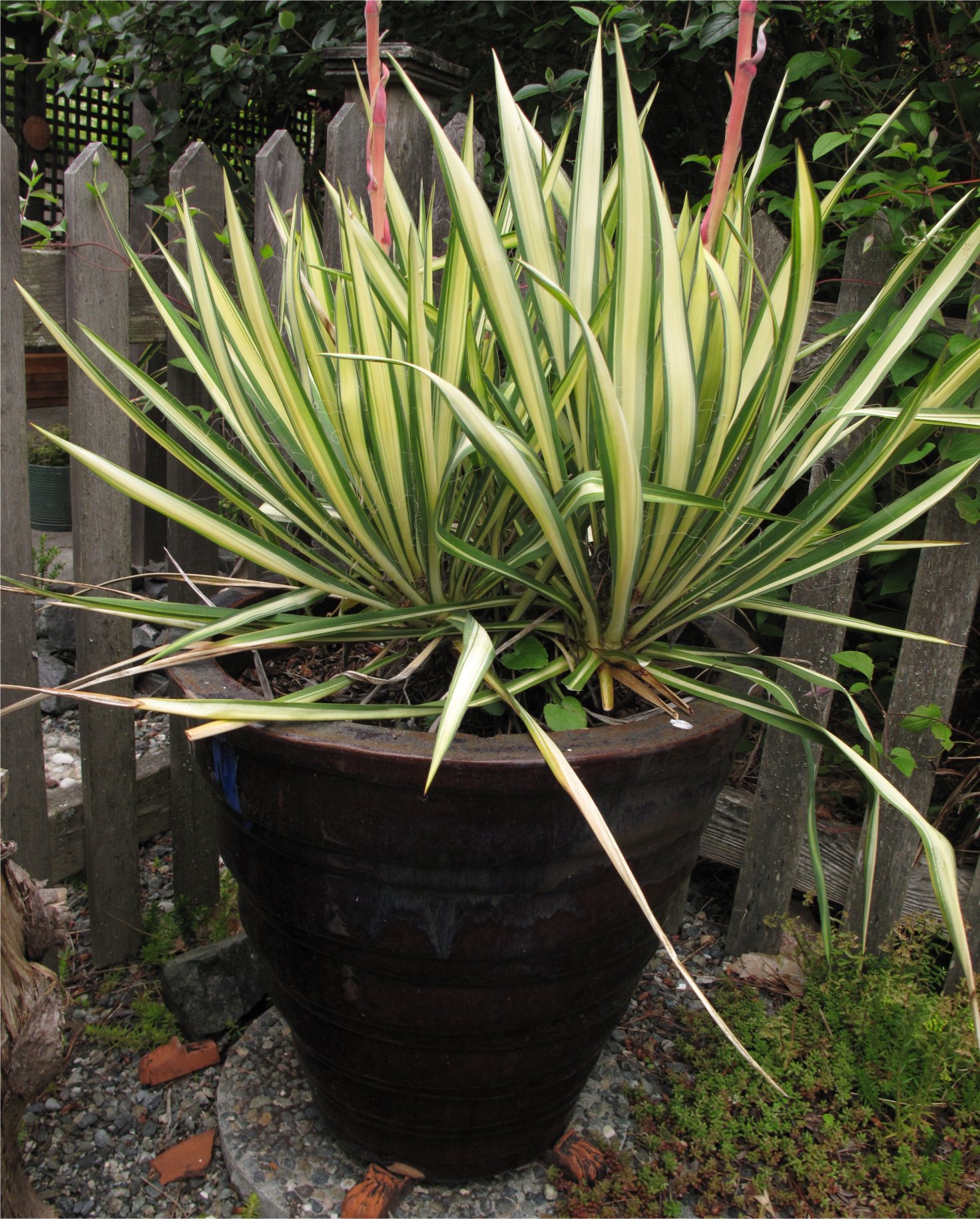
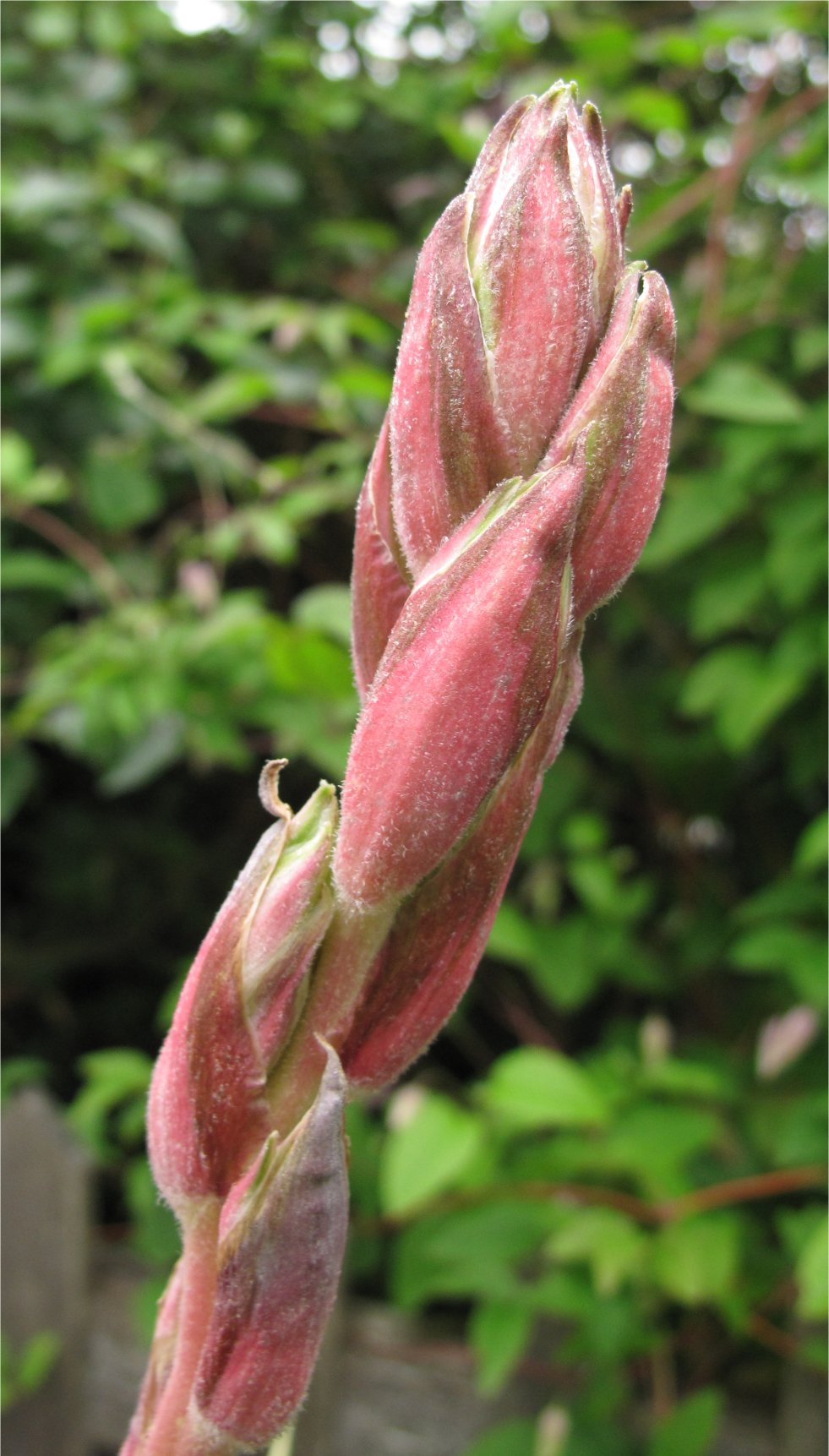
Yucca getting ready to bloom

Yucca getting ready to bloom

This Yucca lights up a corner with its bright variegated leaves that contrast nicely with the dark pot. This year will be the first in quite a few years that the Yucca will bloom.

I have a vague memory that when I bought this Yucca the salesperson said the blooms were supposed to be  fragrant.  The stalk is just fattening up and should open soon finally revealing whether the blooms are scented. I’ve long since forgotten the name of the cultivar.

Some Yuccas are surprisingly hardy in our Puget Sound climate. Even though native to warmer climes, they definitely enjoy our hot dry summers and seem to tolerate are cold wet winters.

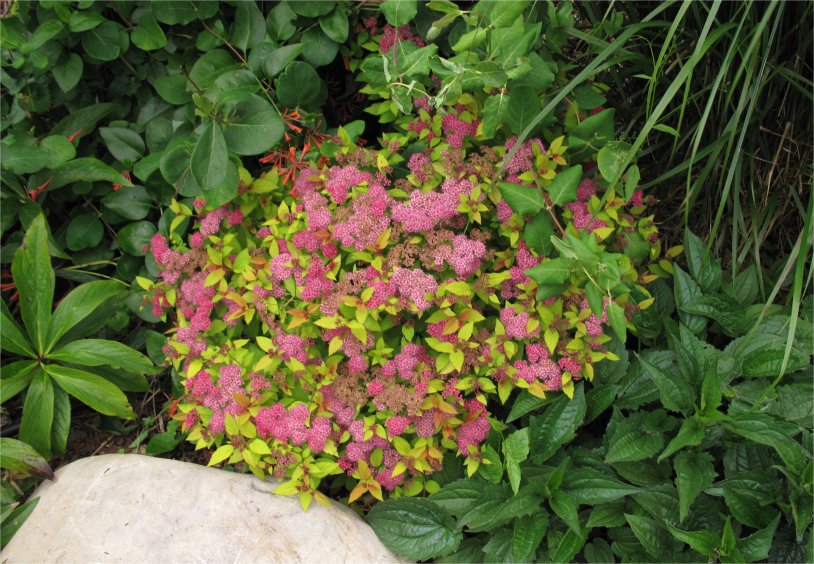
Spiraea japonica 'Magic Carpet'

Spiraea japonica ‘Magic Carpet’

Nandina and lavender

The lavender at the front of the border hasn’t quite colored up yet, but in a few weeks it will look stunning in front of the red Nandina leaves.

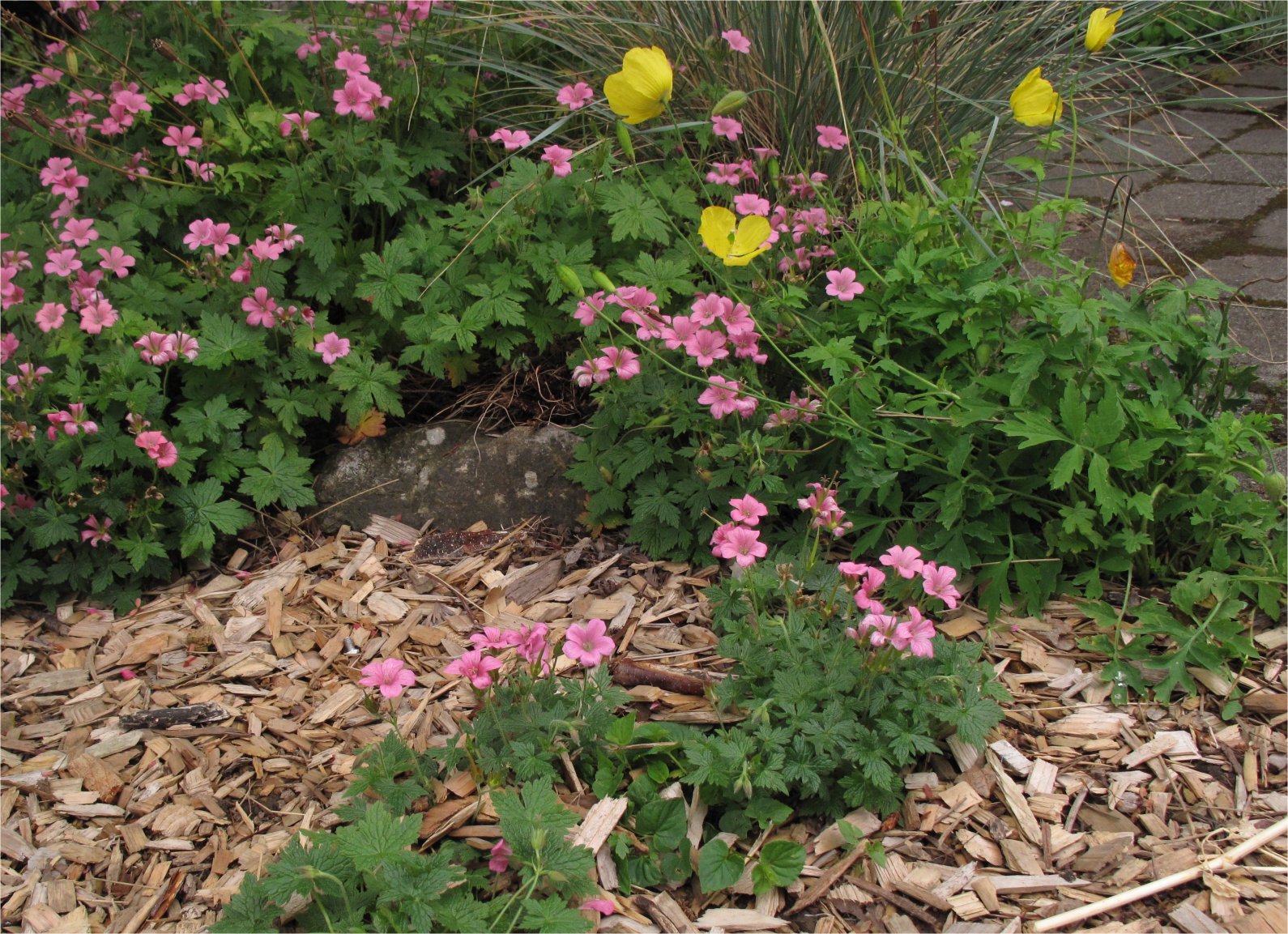
Claridge Druce

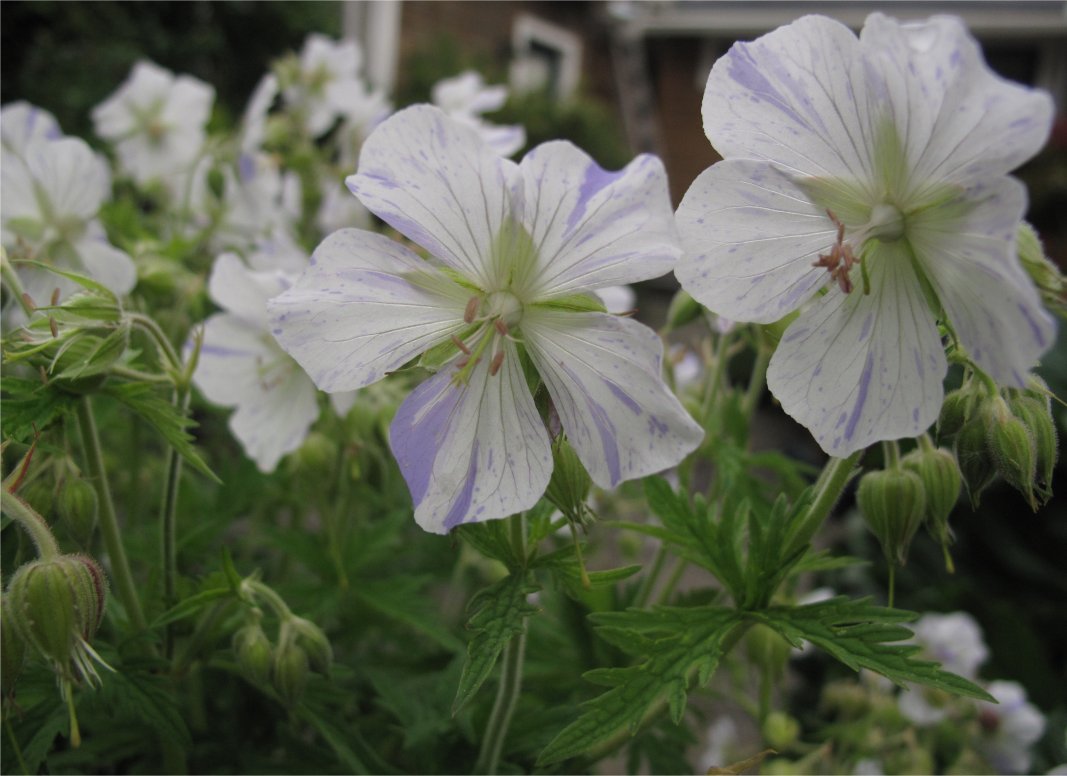
Geranium ‘Claridge Druce’ marches out of the border into the wood chip path

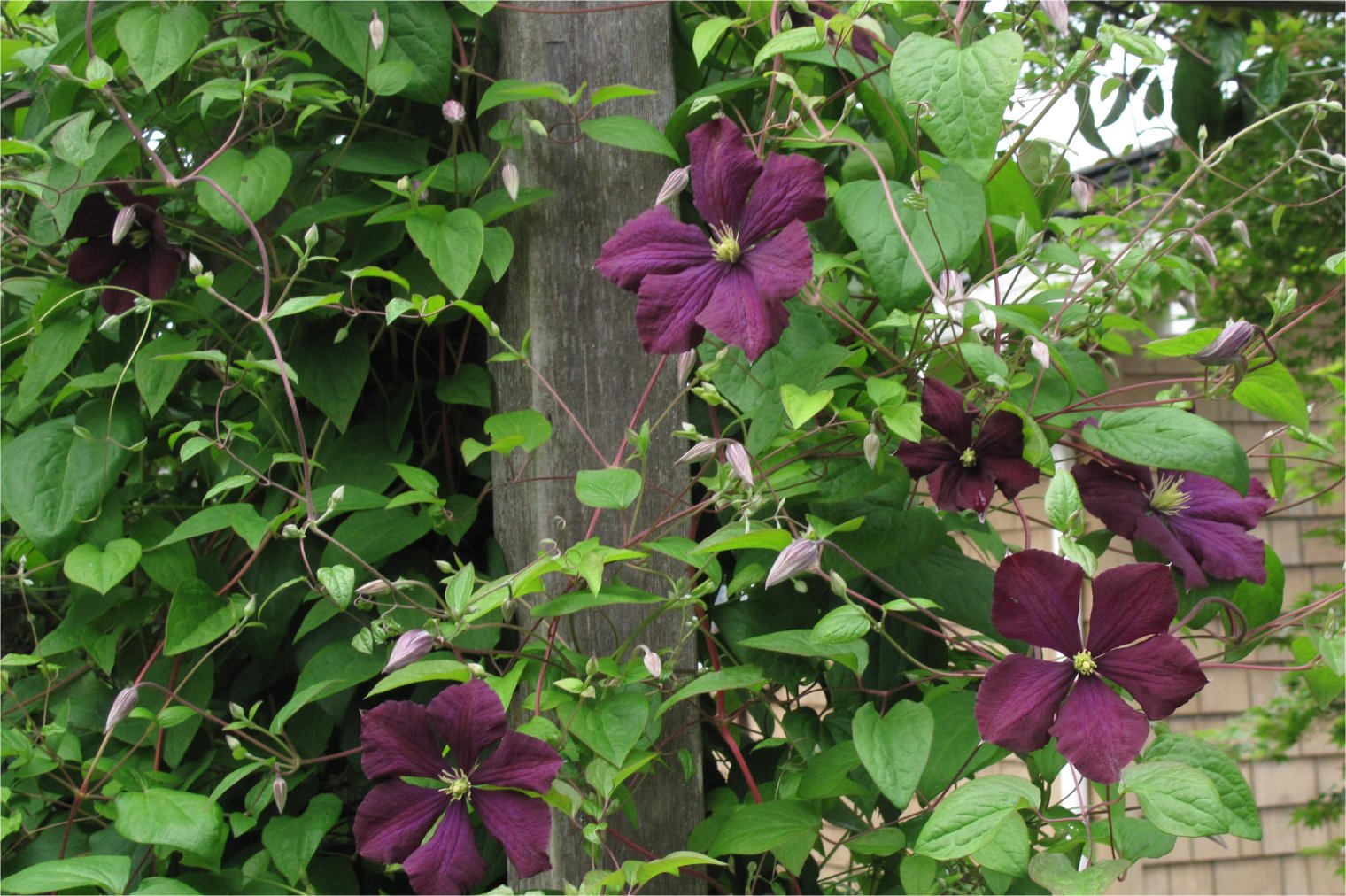
Clematis jackmanii climbing arbor

Clematis jackmanii climbing arbor

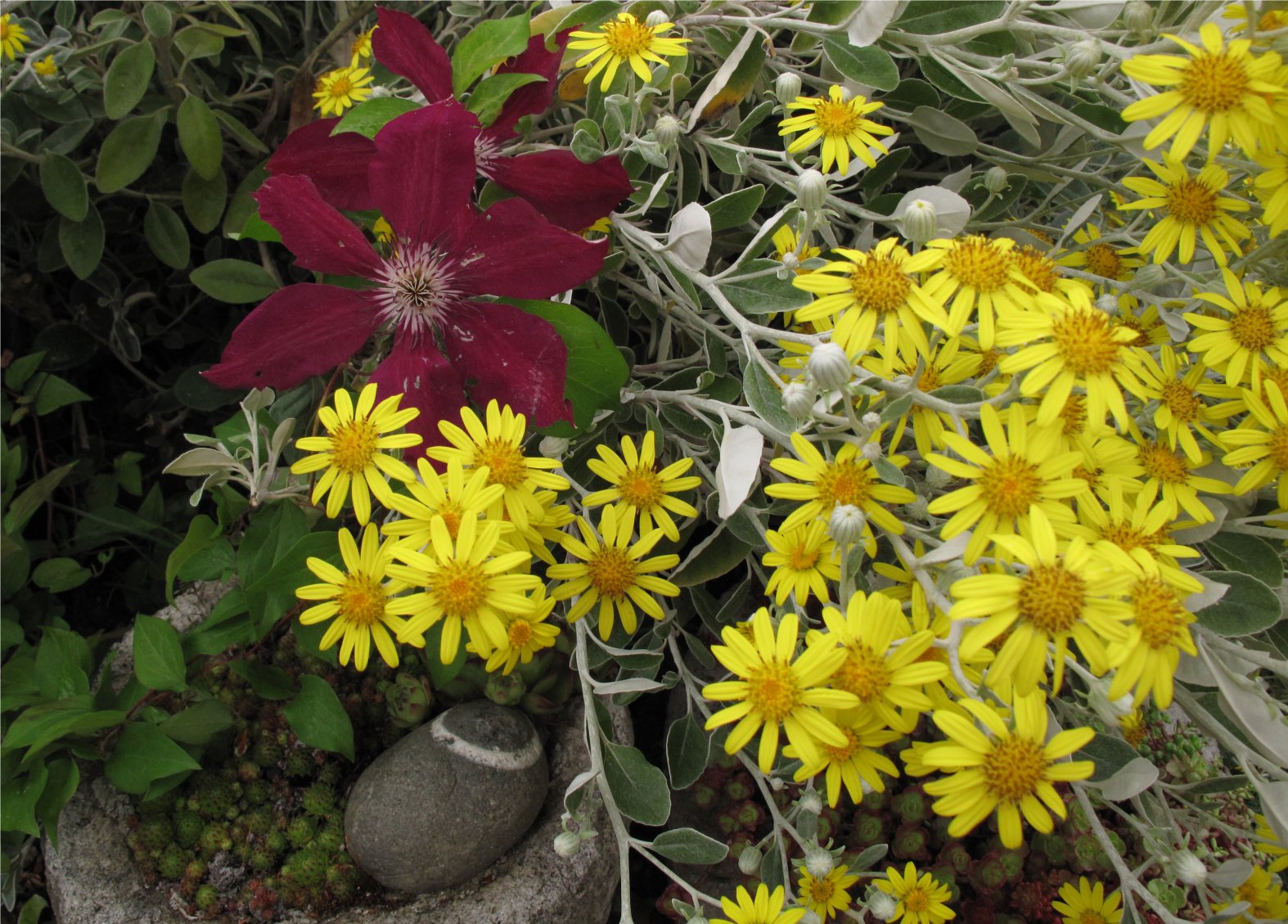
clematis roaming through Senecio

Clematis ‘Niobe’ rambling through Senecio greyii

Variegated Hardy Geranium unknown cultivar

Variegated Hardy Geranium unknown cultivar

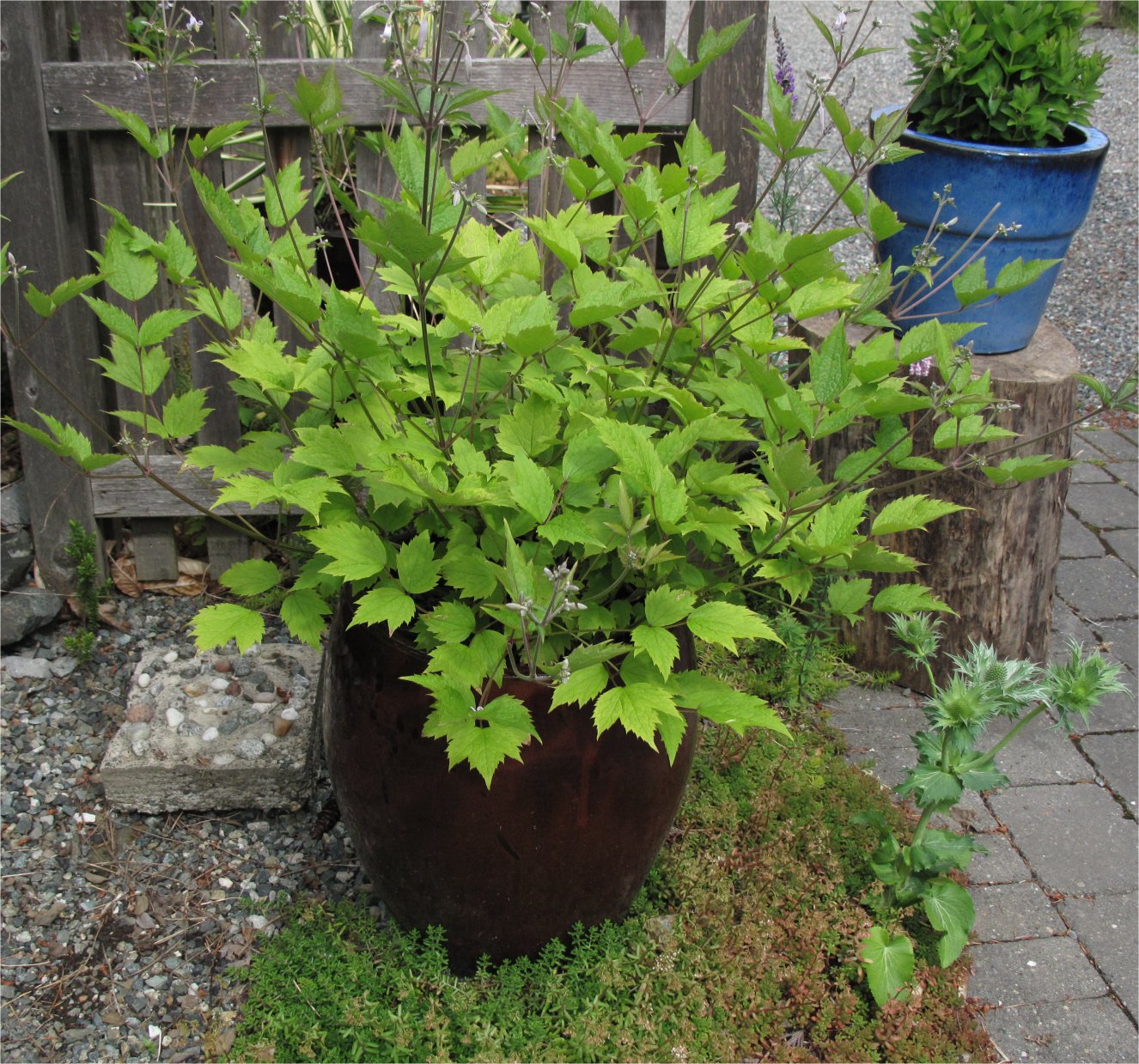
clematis stans leaves

Clematis stans

Clematis stans

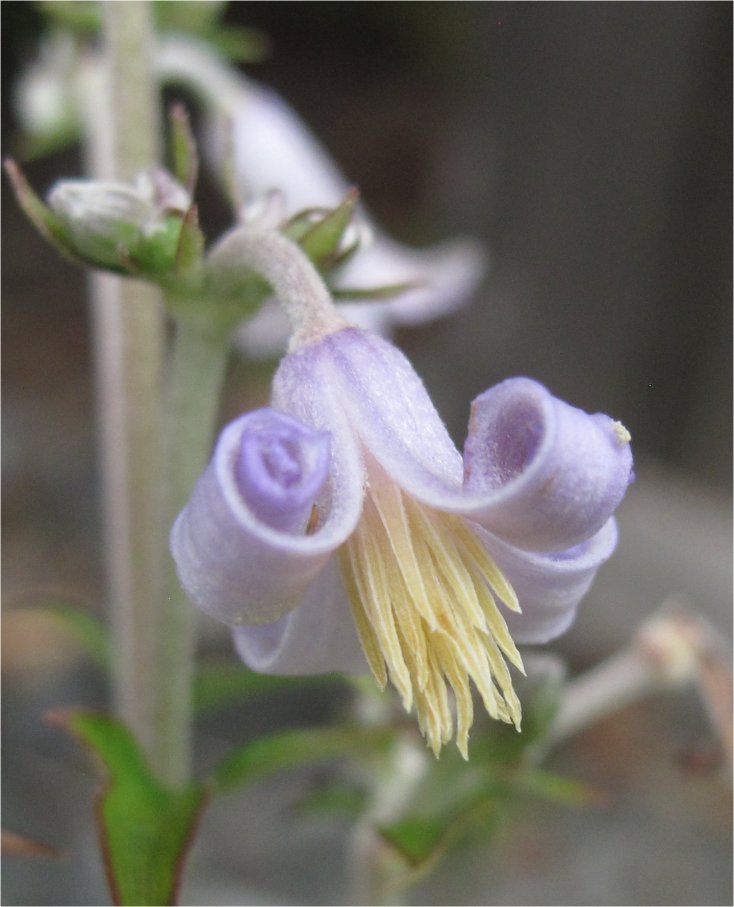
Clematis stans

Clematis stans is a native of Japan and is a bushy plant ( technically a sub shrub) rather than a climber.

It’s flowers are tiny compared to the spectacular flowers of most vines in the genus. Flower color size and shape is highly variable.

I’m growing it in a pot, but soon it will go in the ground. It’s a very hardy species that will survive USDA Zone 5 winters.

Left outside in a pot it dies back to its roots, but I suspect in the ground here in Zone 8 it will require cutting back in winter.

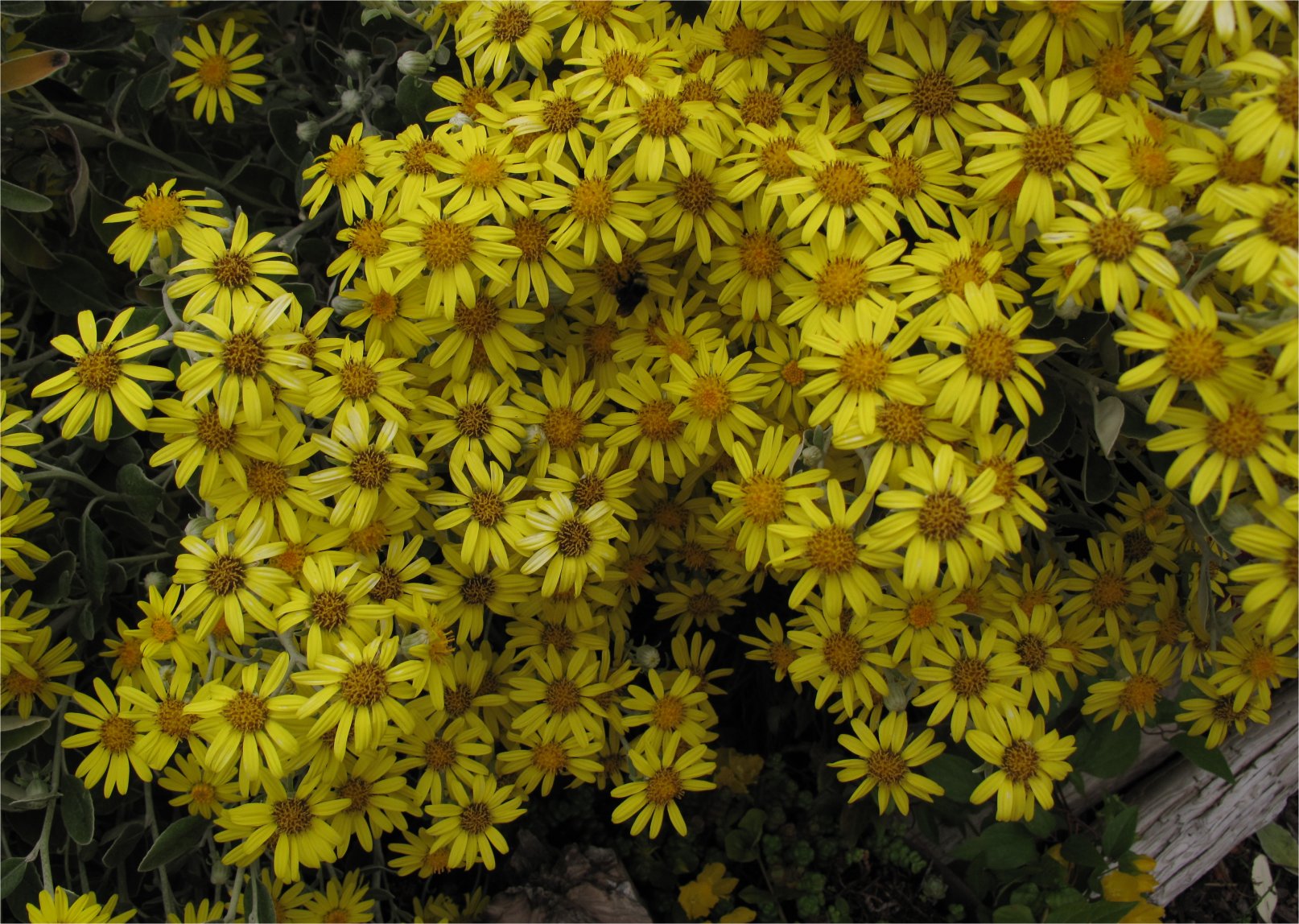
Senecio greyii blooms en masse

Senecio greyii blooms en masse

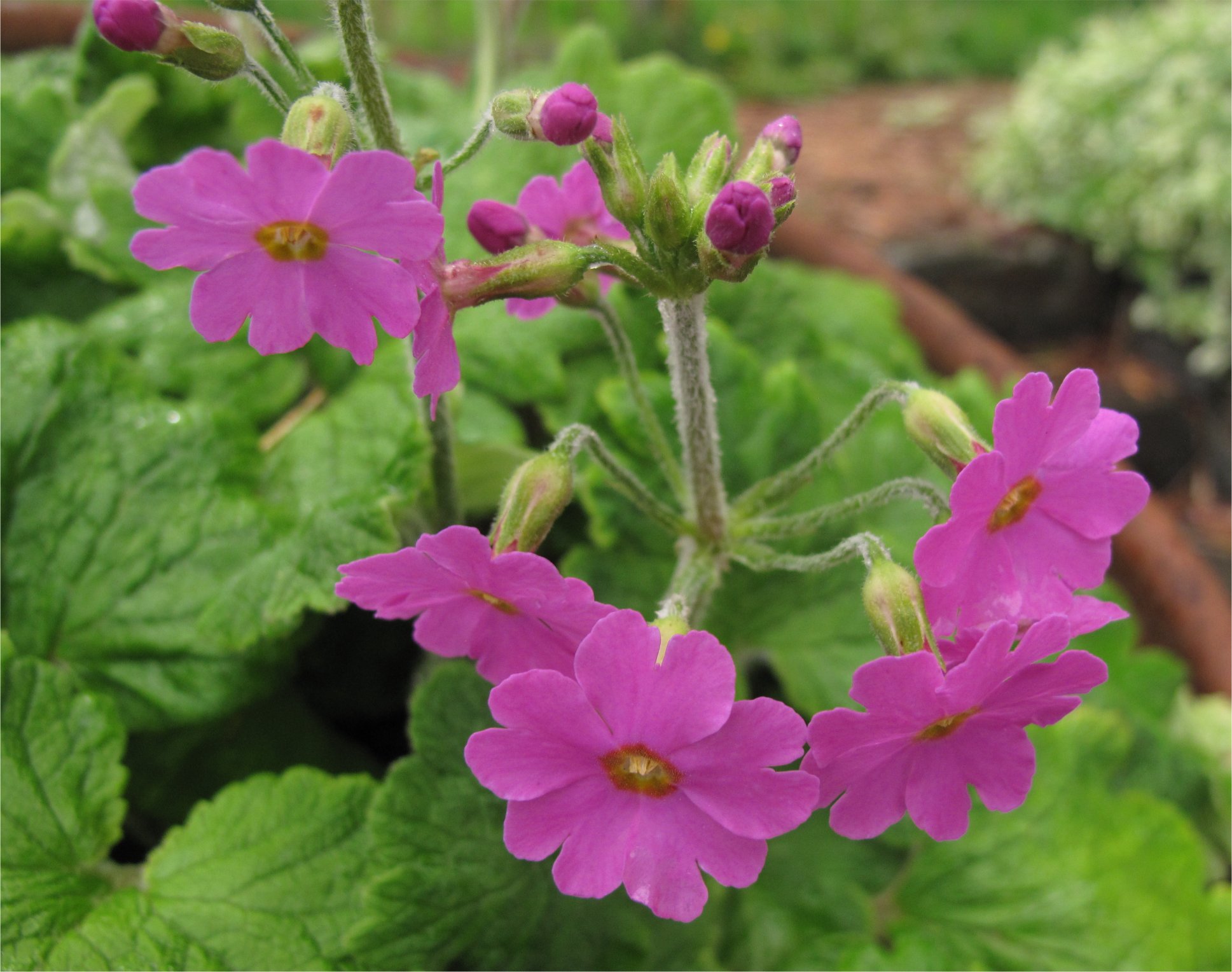
Primula Polyneura

Here’s a shade loving primrose species that deserves wider use in American gardens.

P-Polyneura1

P-Polyneura3

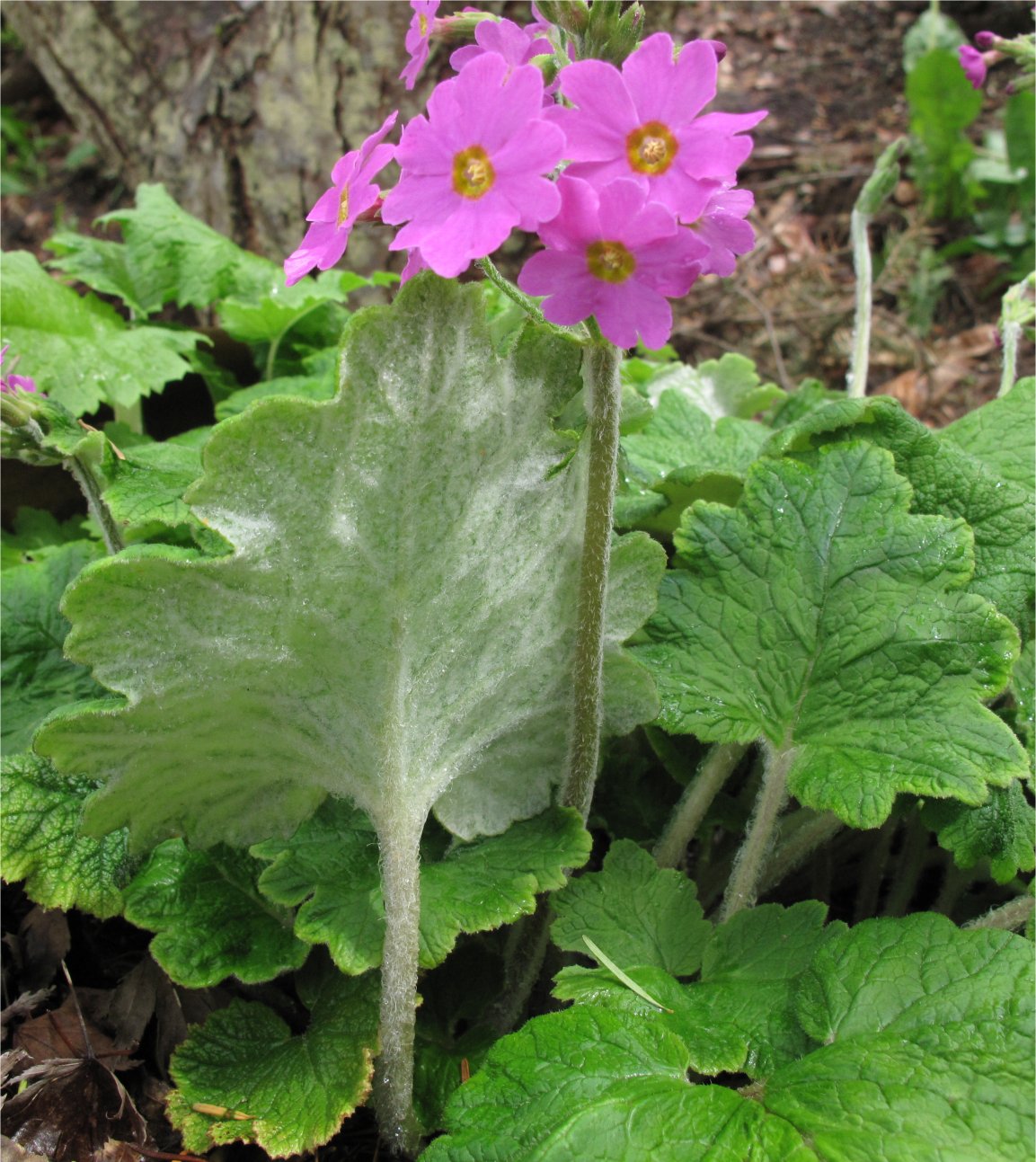
Click  for a closer look at leaf underside

Primula polyneura is an underutilized species primrose native to western China.

In the wild, this species shows variability, probably in flower color, but in cultivation it’s quite reliable, coming true from seed.

Each year the clump, with somewhat hairy leaves and stems, enlarges. The undersides of the leaves are typical of this section of central and eastern Asia primulas known as Cortusoides.

P-Polyneura2

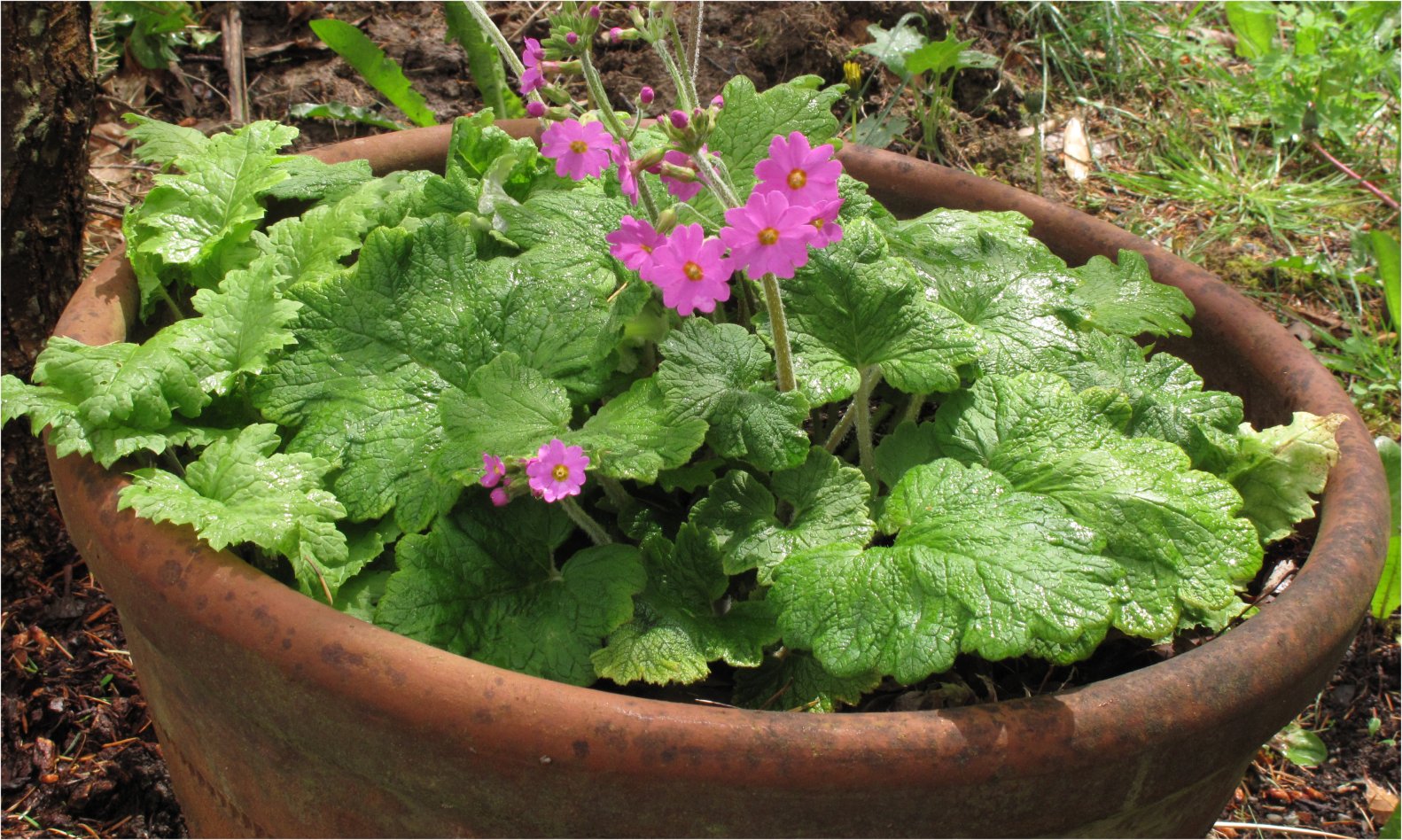
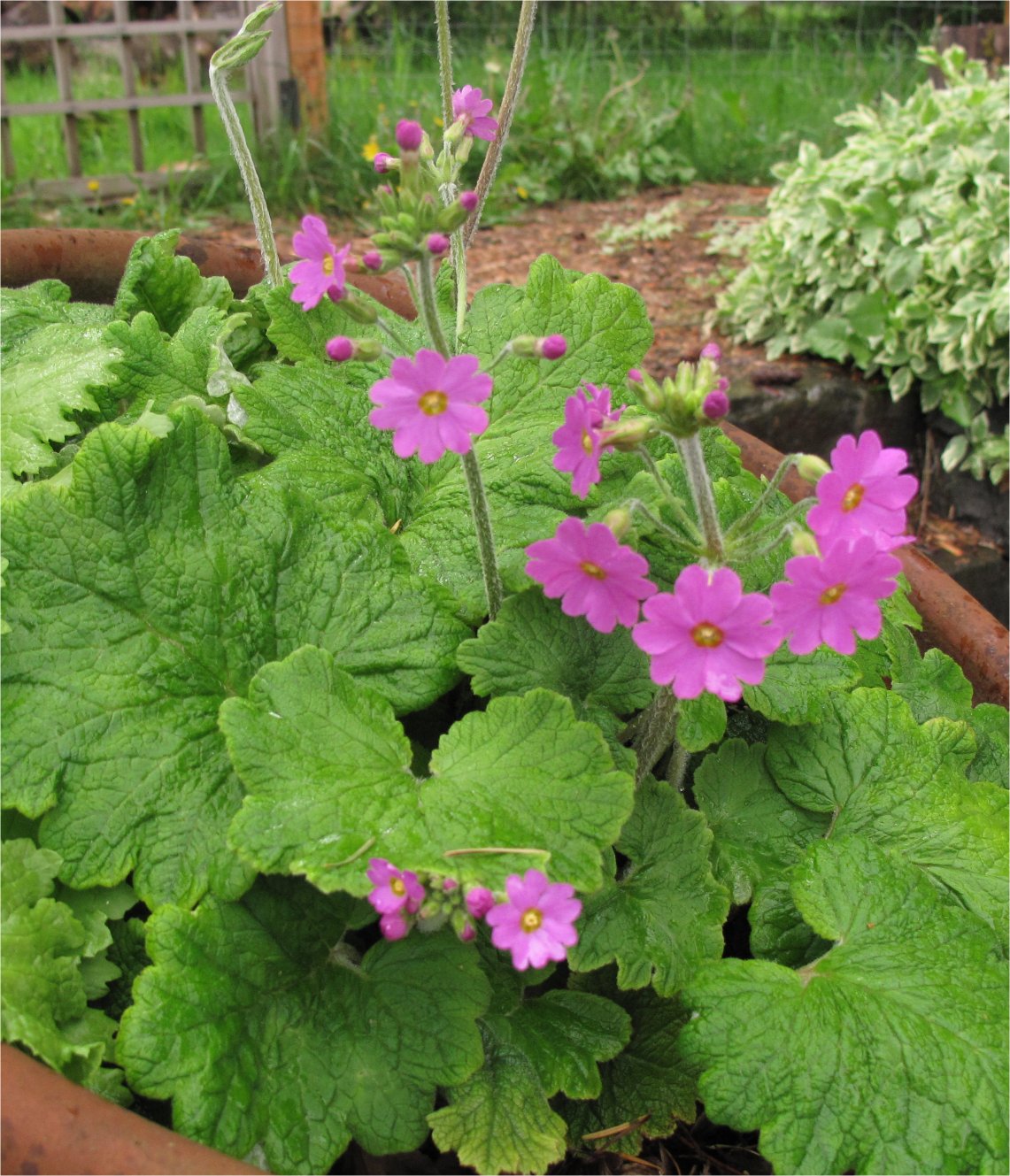
I’m growing it in a pot (but it would do equally well in the ground). This year it is definitely bigger than last year. (It was originally a gift of a tiny seedling).

I’ve rarely seen it in the nursery trade. When I Google it, mainly British nurseries come up. It’s clearly happy in our Puget Sound climate, but I believe with a Zone 4-8 rating it would be happy in colder parts of North America.

Here’s more detailed information from two older Primrose reference books.

Cortusoides are deciduous or rarely evergreen perennials, lacking meal, arising from below-ground stocks. Leaves soft and usually hairy, often pleated; leaf-blades more or less rounded at the tip, circular to ovate in outline, heart shaped at the base and usually shallow to deep lobed…
P. polyneura is a long-lived, free flowering and undemanding plant for a cool, sheltered, moisture-retentaive but well drained site in peaty or “woodsey” soil…It’s readily grown from seed and can be propagated by division. — from Primula by John Richards, Timber Press 1993, 2003.

***

First described in 1895 by M. Franchet as fairly common in parts of western China. It is described as being a variable plant in the wild, but in cultivation it is fairly consistent. The typical Cortusoides leaves are densely felted on the undersides and are unmistakable. the flowers are in loose heads on the 6-inch (15cm) stems appearing in May, and are a particularly virulent pink — lovely to relieve the gloom under shrubs or a shady corner. It dies back completely for winter, but is reliable and hardy. A worthwile plant, not offered as often as one would like.
CULTIVATION:  Easy and permanent in the peat bed, or in a cool position in moist soil under dwarf shrubs.
PROPAGATION:  Readily from seed or by dividing established clumps in early spring.
AVAILABILITY:  specialist nurseries or seed lists.

—  from Primulas: The Complete Guide, by Mary A Robinson, The Crowood Press, Swindon, England, 1990.

P-Polyneura4

This year I plan to collect seeds; next spring I’ll divide the clump and plant directly in my shade garden. If you are interested in trying some seed, let me know and I’ll be happy to mail some off later this summer.