Simply Sedums

I’ve always liked the hardy sedums. No matter how callously treated they remain reliable, easily propagated and drought tolerant.  Withhold water and many species will respond by coloring up.  Colder fall and winter temperatures have the same effect.
Img_3418

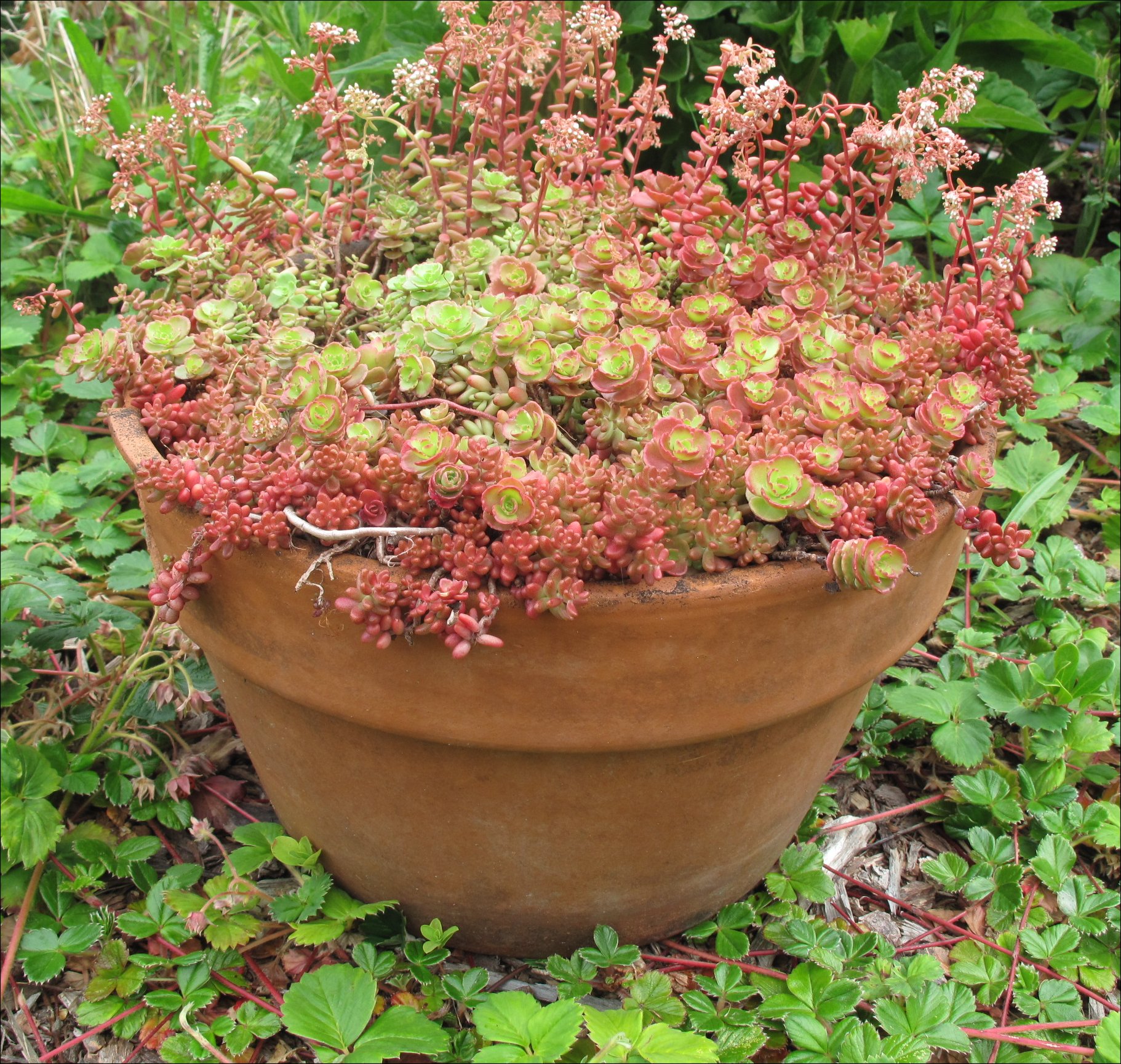
Sedum album & spathifolium cultivars in a terra cotta pot
Img_3417

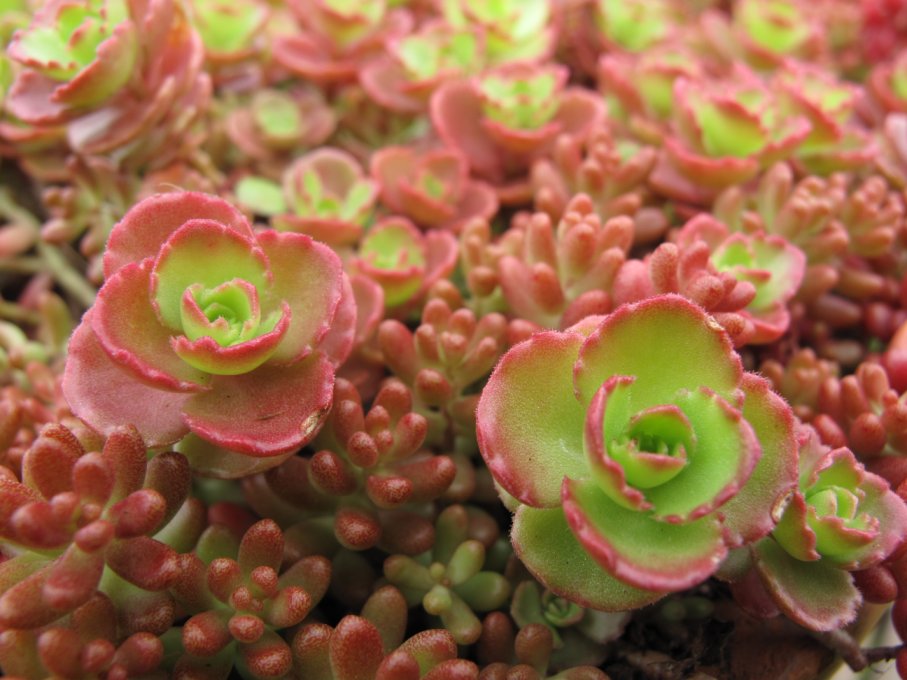
Leaf detail of spathifolium cultivar

I lost track of this pot and discovered it tucked under another plant.

Neglect brought out the deeper red tones — on the leaf edges of the spathifolium and just about replacing all the green on the album — making both plants the perfect foil for the terra cotta pot and surrounding beach strawberries .The two sedums:  probably album ‘murale’ and an unknown spathifolium cultivar, are turning red in June, not from cold weather, but probably in response to water deprivation. The spathifolium is a native of Oregon. The album ‘murale’  is just now sending out stems topped with buds that will turn into tiny white flowers in a week or two.Most of my hardy sedums bloom with either white or yellow flowers in late spring and summer. Red leaf tones provide reliable fall ground cover color. Occasionally, like this summer, I was only a blue Campanula away from having an appropriate Forth of July pot.
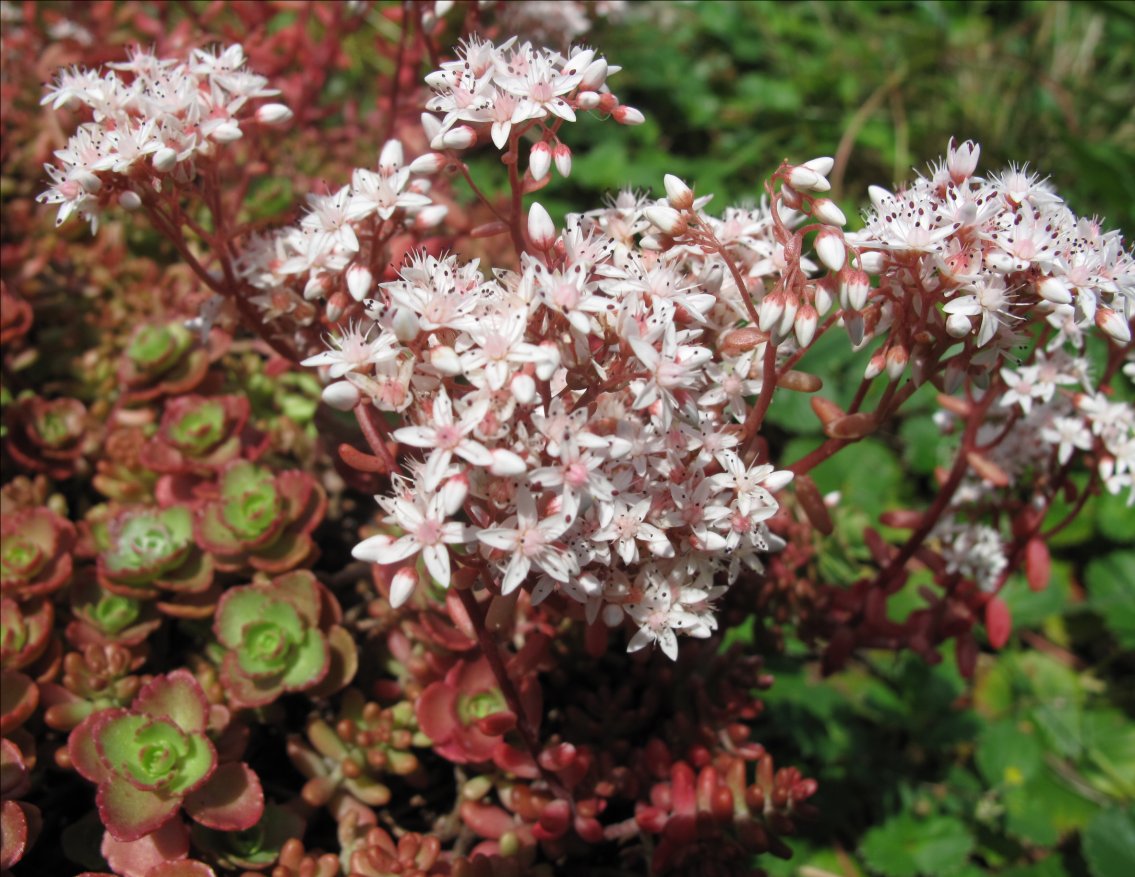
Sedum album 'murale'

-White blooms of Sedum album ‘murale’  sharing a pot with red Sedum spathifolium

LIke most of the hardy sedums, propagation is a breeze. Break off a piece of the plant and leave it laying about.  No need to even put it in soil immediately (though that’s fine too).  In a few days tiny roots will appear.
May Day Around the Garden

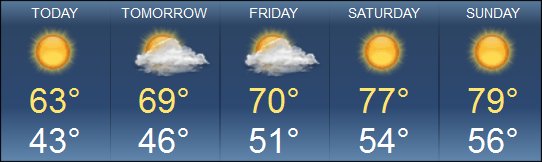
Here in the Pacific Northwest sunny warm weather emerged following on the heals of a cooler wet April.  And like an overdue seedling patiently watched for any signs of life, the five day forecast icons on the Vashon weather page finally showed mostly round yellow suns through the weekend.  Temps approaching 80° are promised by Sunday.

forecast

So inspired, I set aside an hour in the early afternoon to wander around the garden with camera in hand aiming for a photo-montage-sort-of-blog post (as little commentary as possible, save for captions).

So, after a few days of editing the pix, here goes:

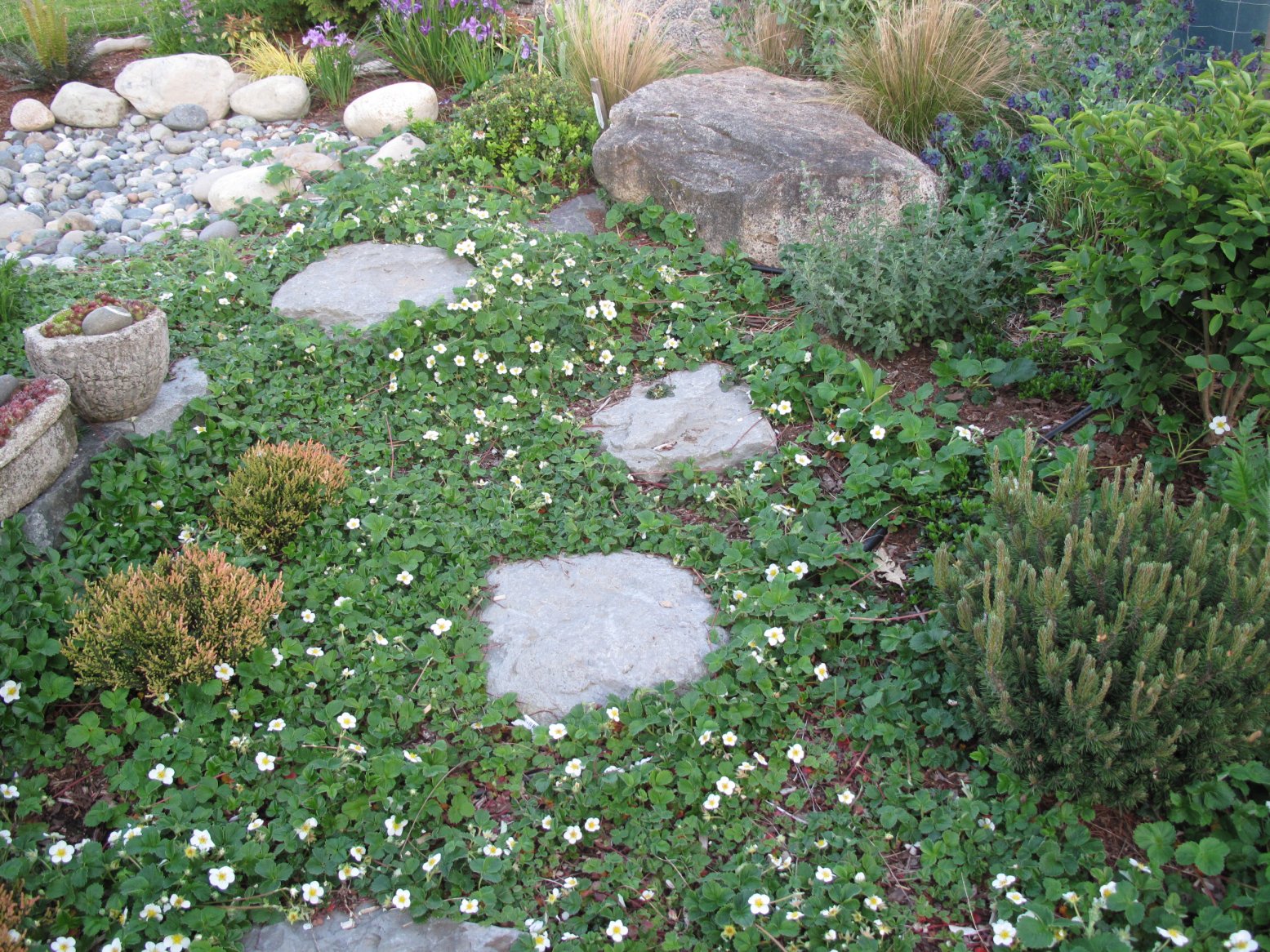
beach strawberries

Beach Strawberries (Fragaria chiloensis) – Washington State native

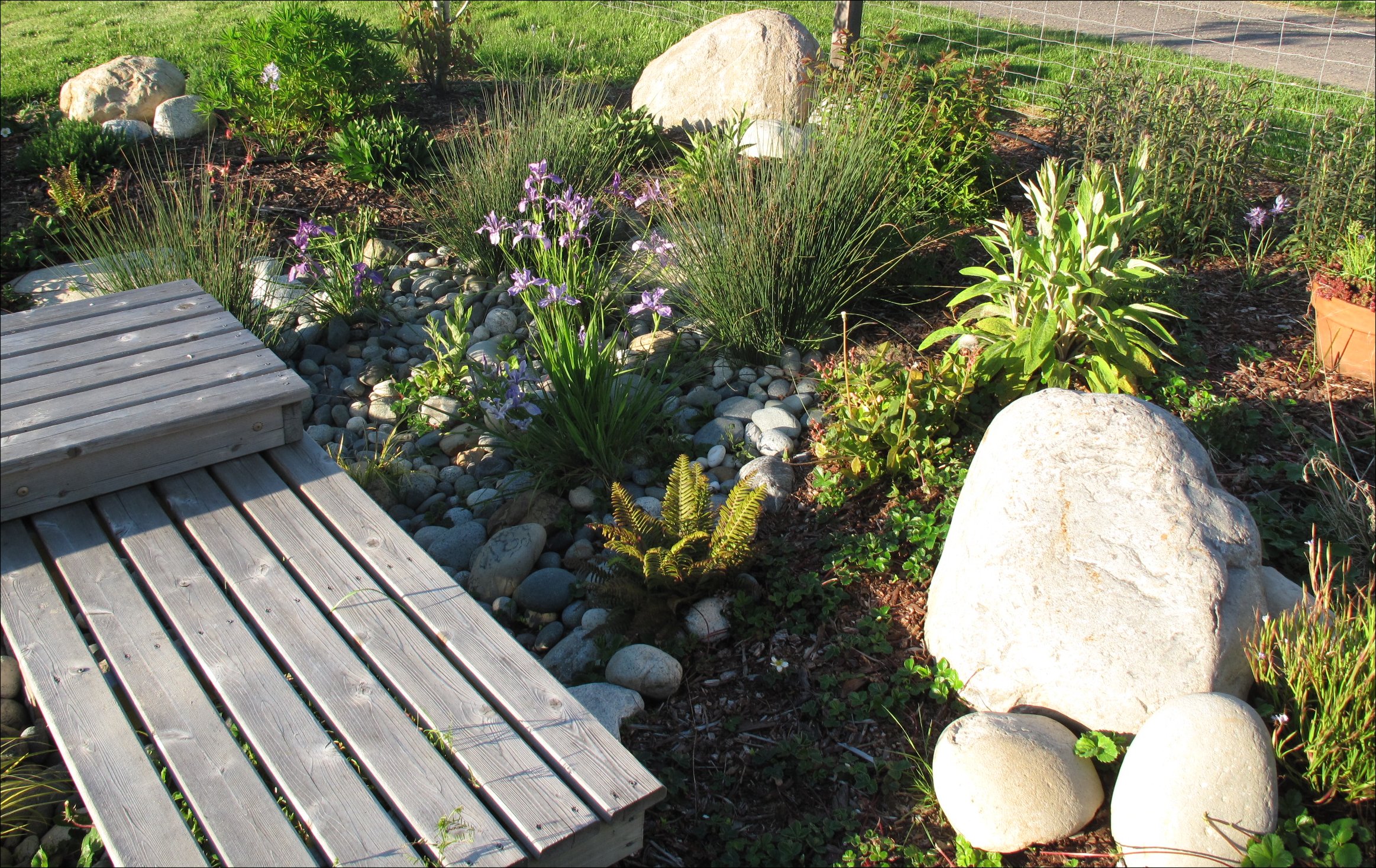
Img_3345

Oregon Iris and  Camas  bloom around Juncus, Foxglove, Sword Fern & Beach Strawberry in the Rain Garden

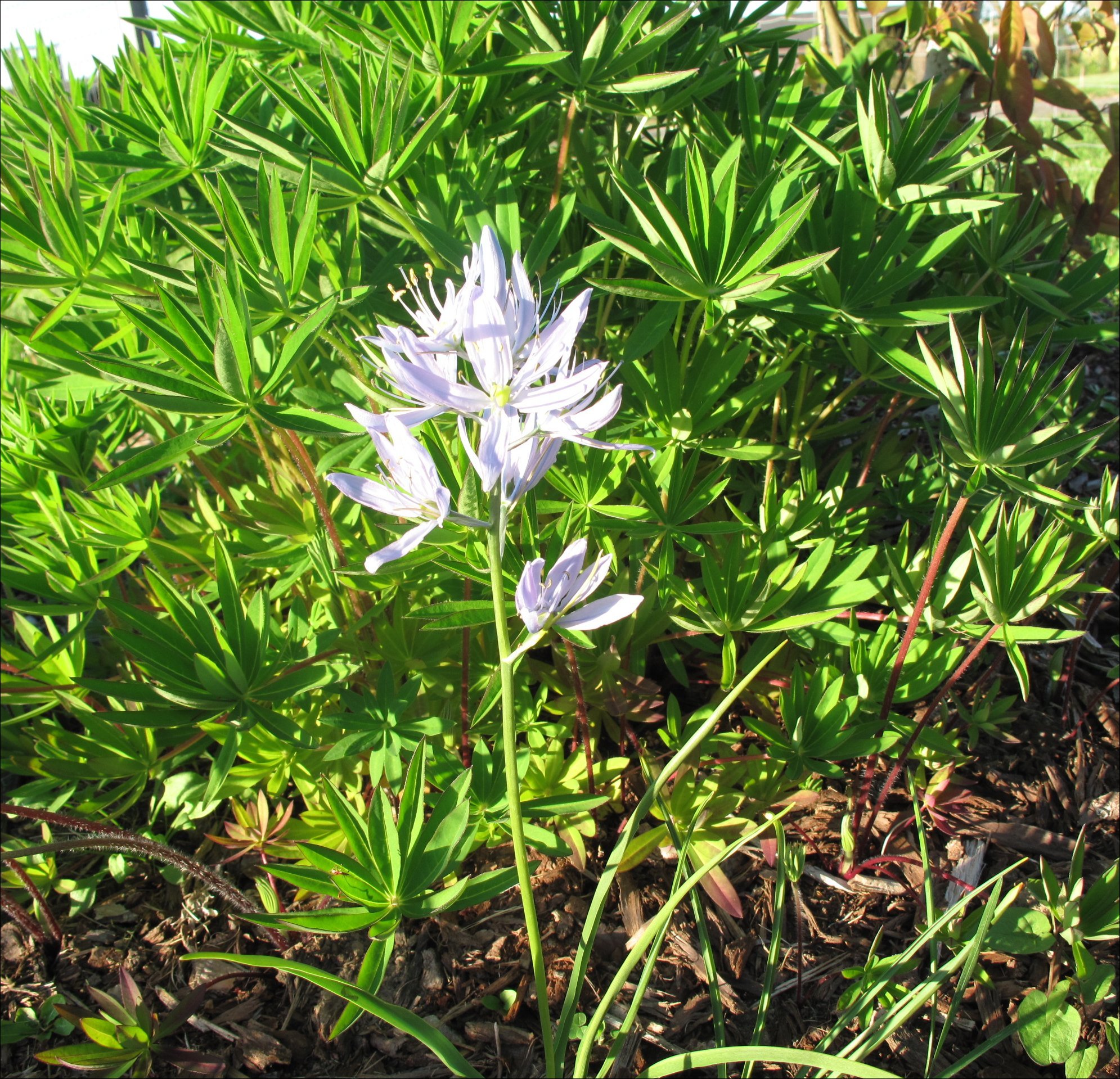
camas-lupine

Single Cammasia quamash blooming with Lupine leaves as backdrop (Rain Garden detail)

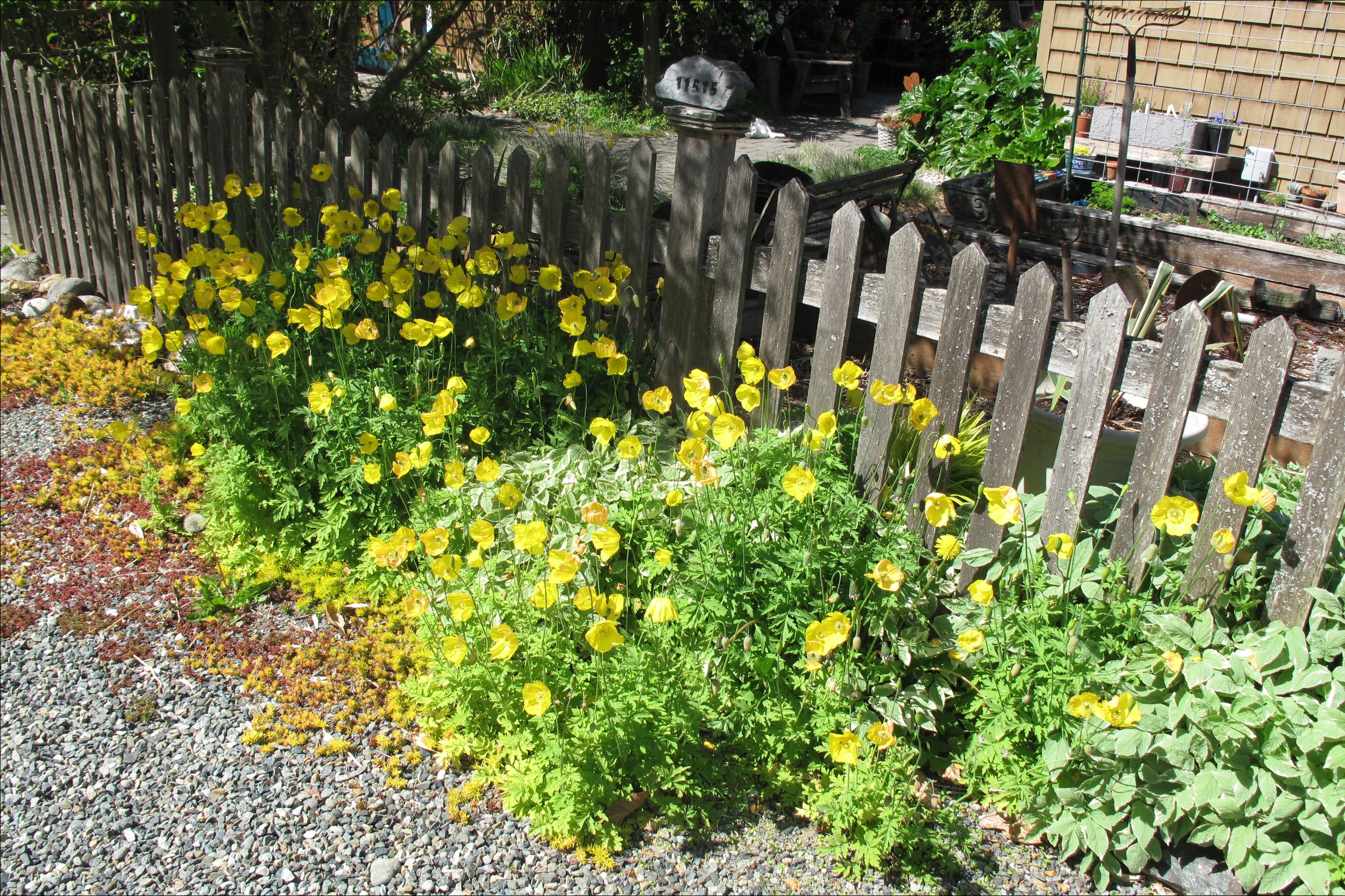
Welsh poppies

Meconopsis cambrica –  Welsh Poppies naturalizing in the sunny gravel driveway

Img_3308

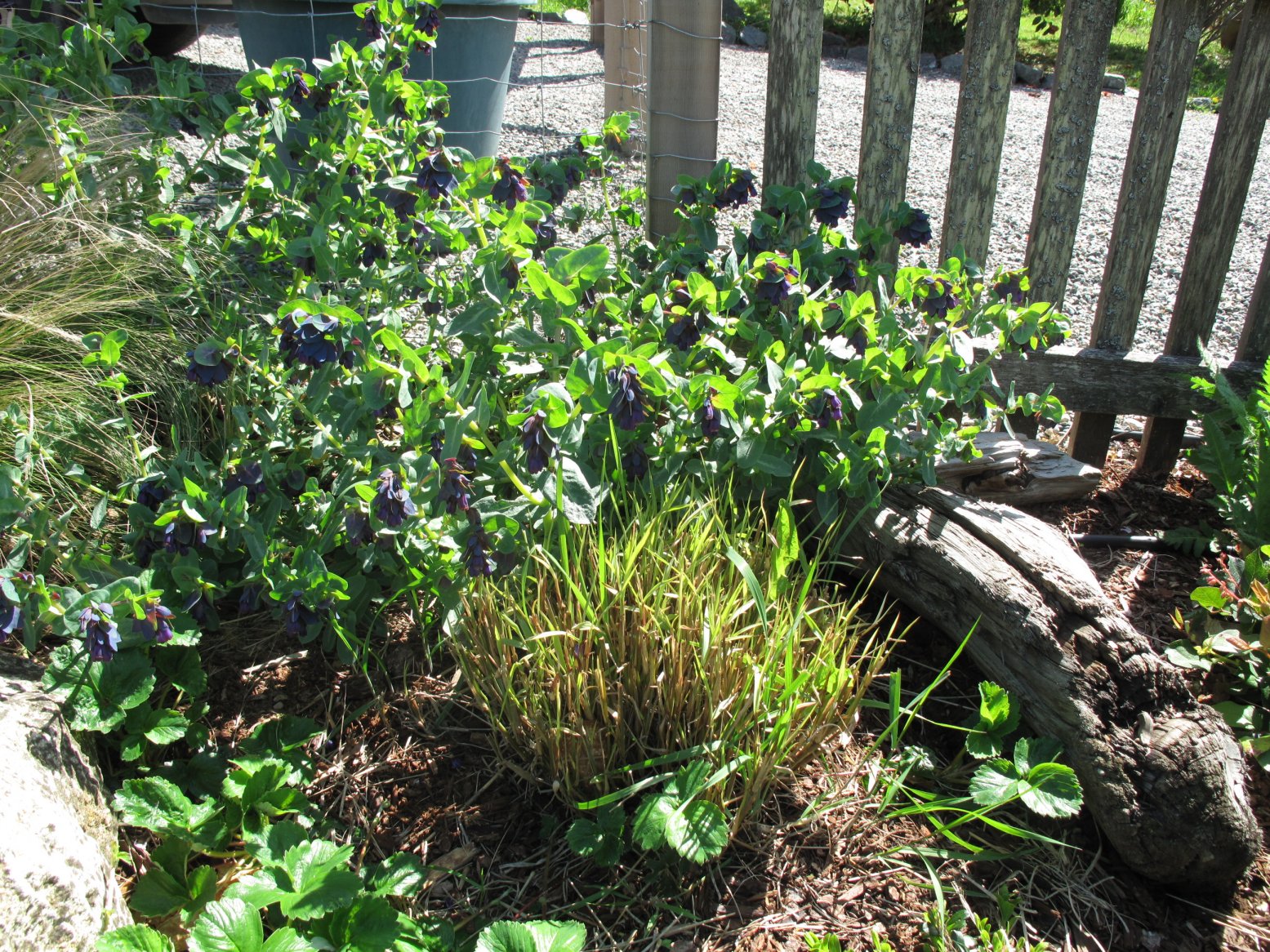
   Cerinthe major clump with Fragaria chiloensis (Beach Strawberry) in foreground

A alpina detail

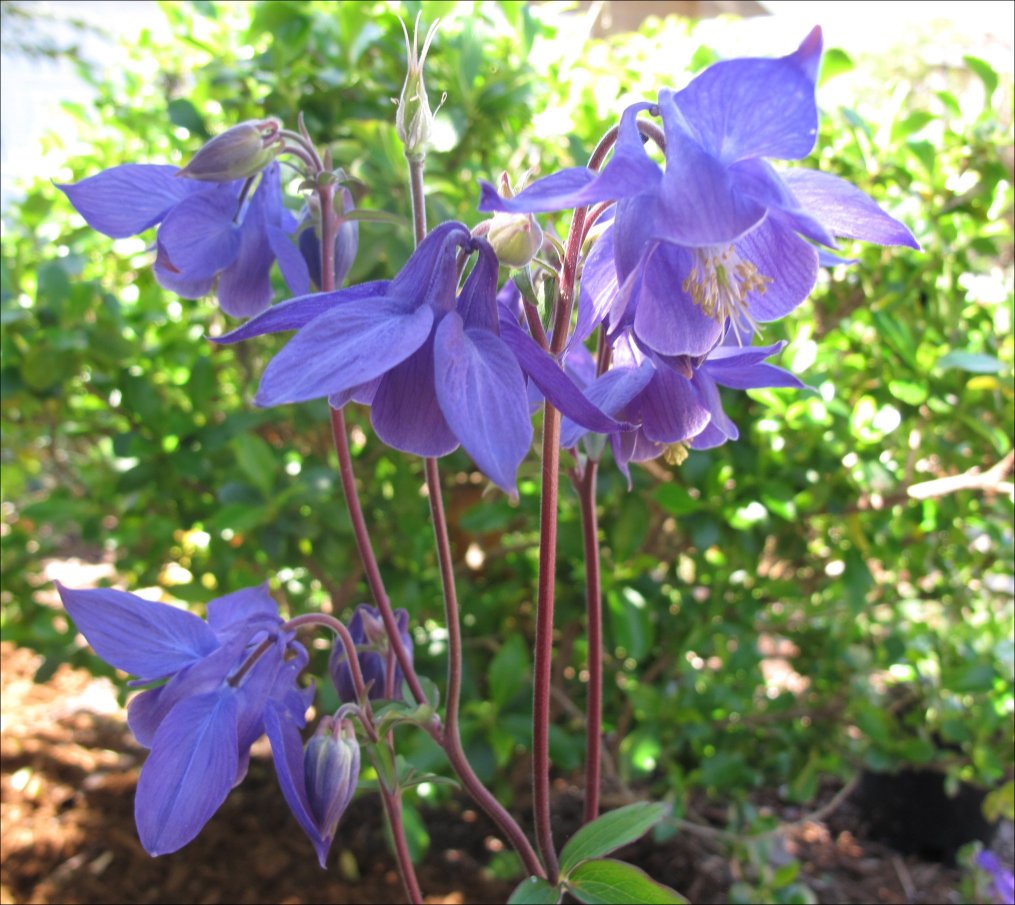
        Aquilegia alpina  Alpine Columbine – European native

Welsh poppie volunteer

Volunteer Welsh Poppy with Milk Cans

Img_3333

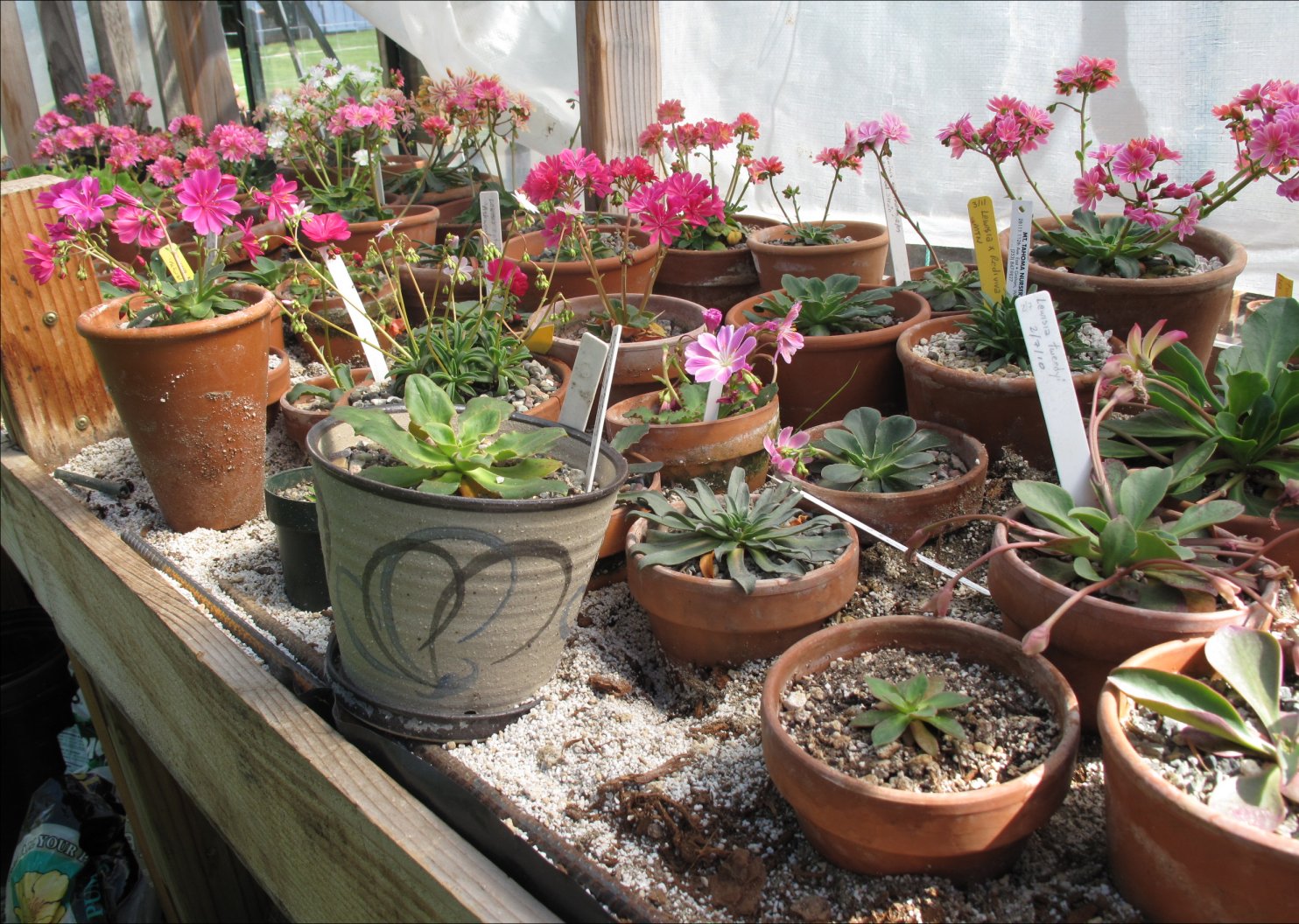
Lewisia bench with plants just beginning to bloom

cotyledon hybrid montage

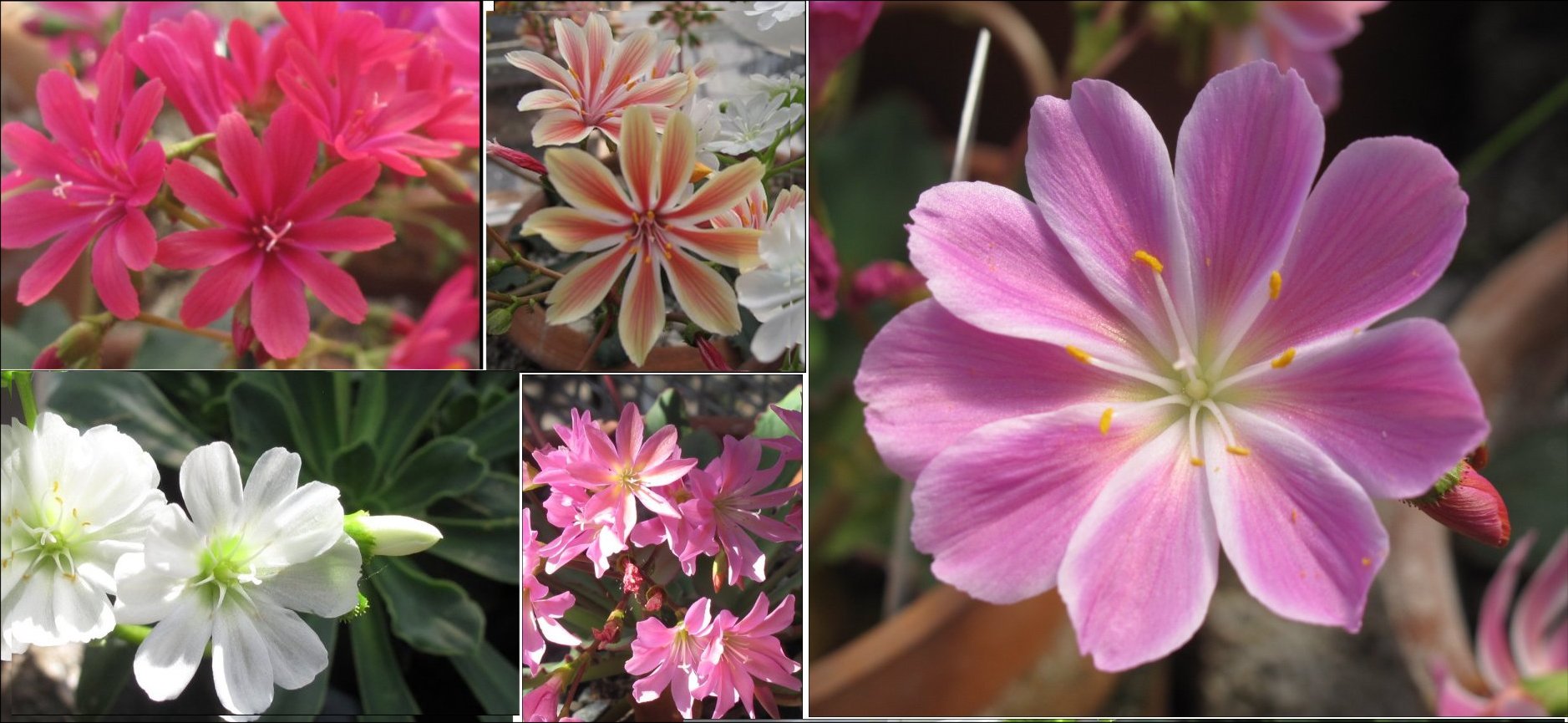
Lewisia cotyledon hybrid blooms

Lewisia tweedyi 'rosea from Fringe Nursery in Seattle

               Lewisia tweedyi ‘rosea from Fringe Nursery in Seattle

Red Flowering Currant

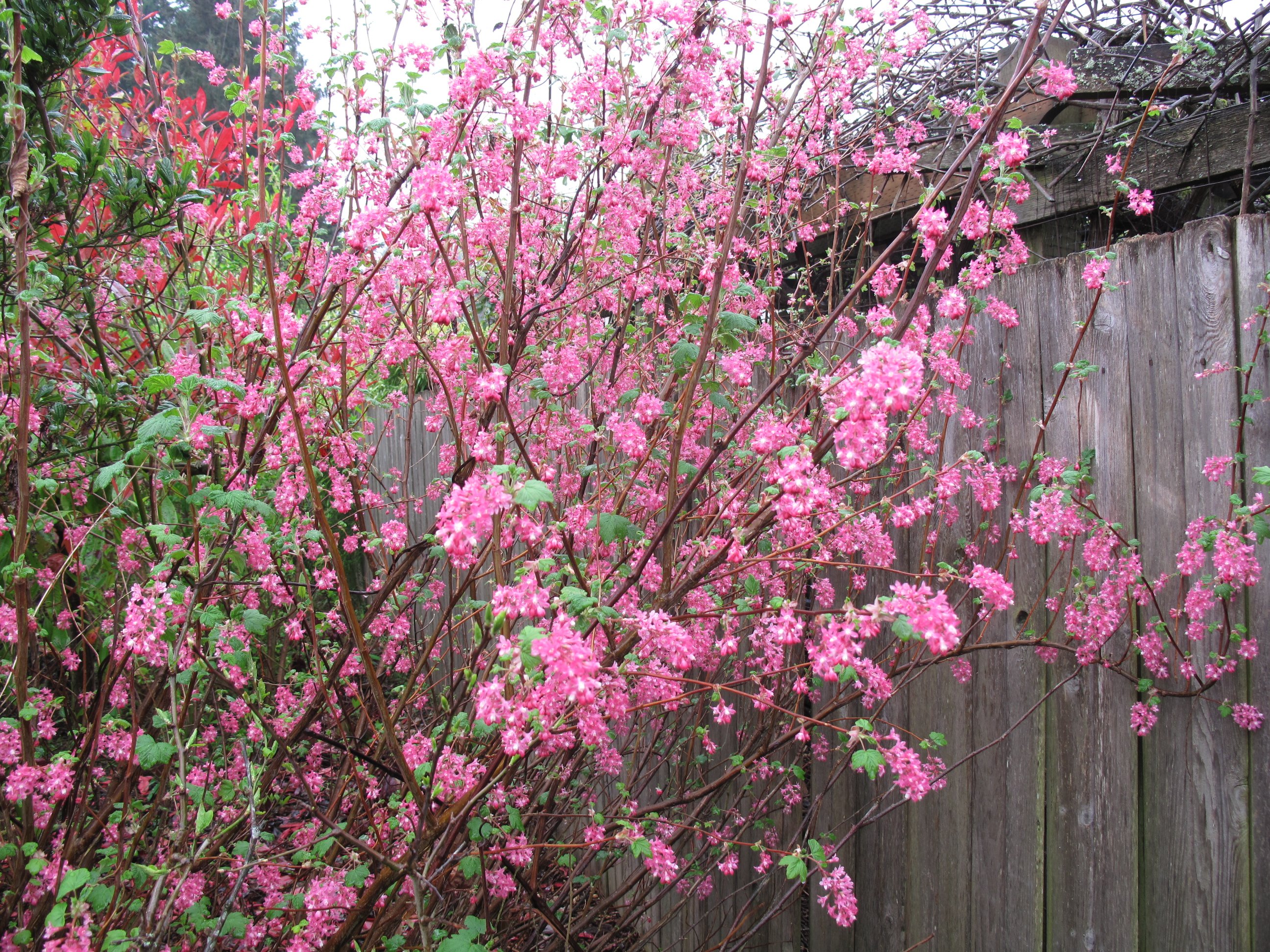
King Edward VII

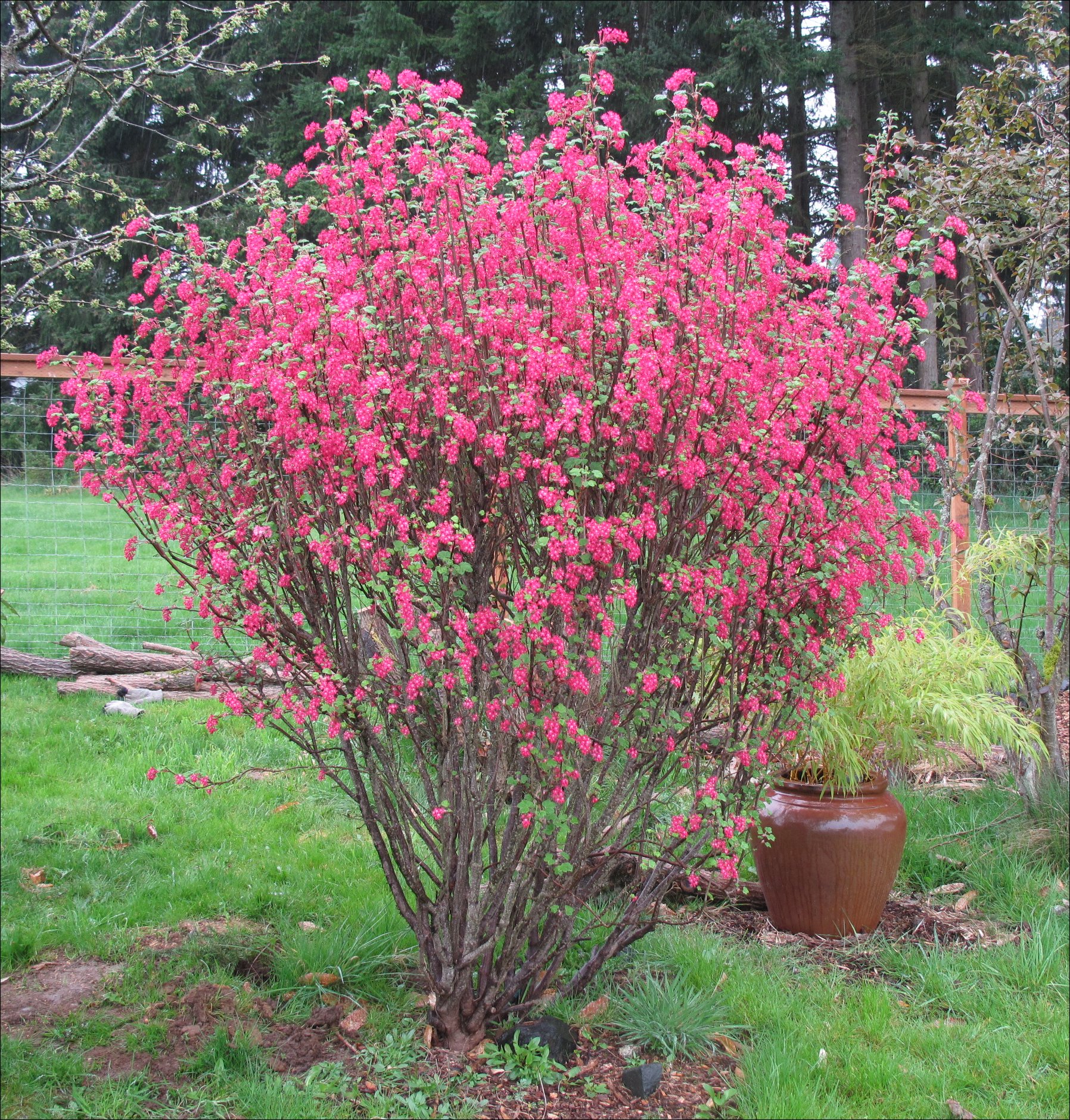
Ribes sanguineum ‘King Edward VII blooming on a rainy day

As near as I can tell, this western North American native woody shrub (“discovered” in 1793 by Archibald Menzies, who traveled with Captain George Vancouver’s expeditions to explore the Pacific Northwest’s coastal regions) made its way across the Atlantic and returned decades later with smaller deeper pink flowers, an altered growth habit and numerous named cultivars, including a white form and the ubiquitous King Edward VII.

Ribes sanguineum  can’t be missed around the Pacific Northwest this time of year.  Gardners, humingbirds, hikers, homeowners and landscape professionals all are devotees of this deciduous beauty — whether the species or named varieties — even hungry deer have “appreciated” my King Edward VII cultivar!

In 1825, Scottish botanist David Douglas brought Ribes sanguineum  to the attention of the British horticultural heavyweights. Douglas was working for the newly founded Royal Horticultural Society when he was dispatched to the Pacific Northwest to collect plants for the RHS gardens in Chiswick, a village west of London. The plant Douglas popularized might have looked like the one pictured below blooming in my garden.

R. sanguineum

Northwest native Red Currant thriving on Vashon Island

According to Monty Don, writing in the online version of the UK’s Daily Mail, Douglas made a number of trips to the northwest, each involving clashes with Native Americans. However, Douglas’ death on his last trip did not come by the hands of Native Americans.  He fell into a pit set to trap wild cattle and was gored to death by an animal already captured and waiting below .

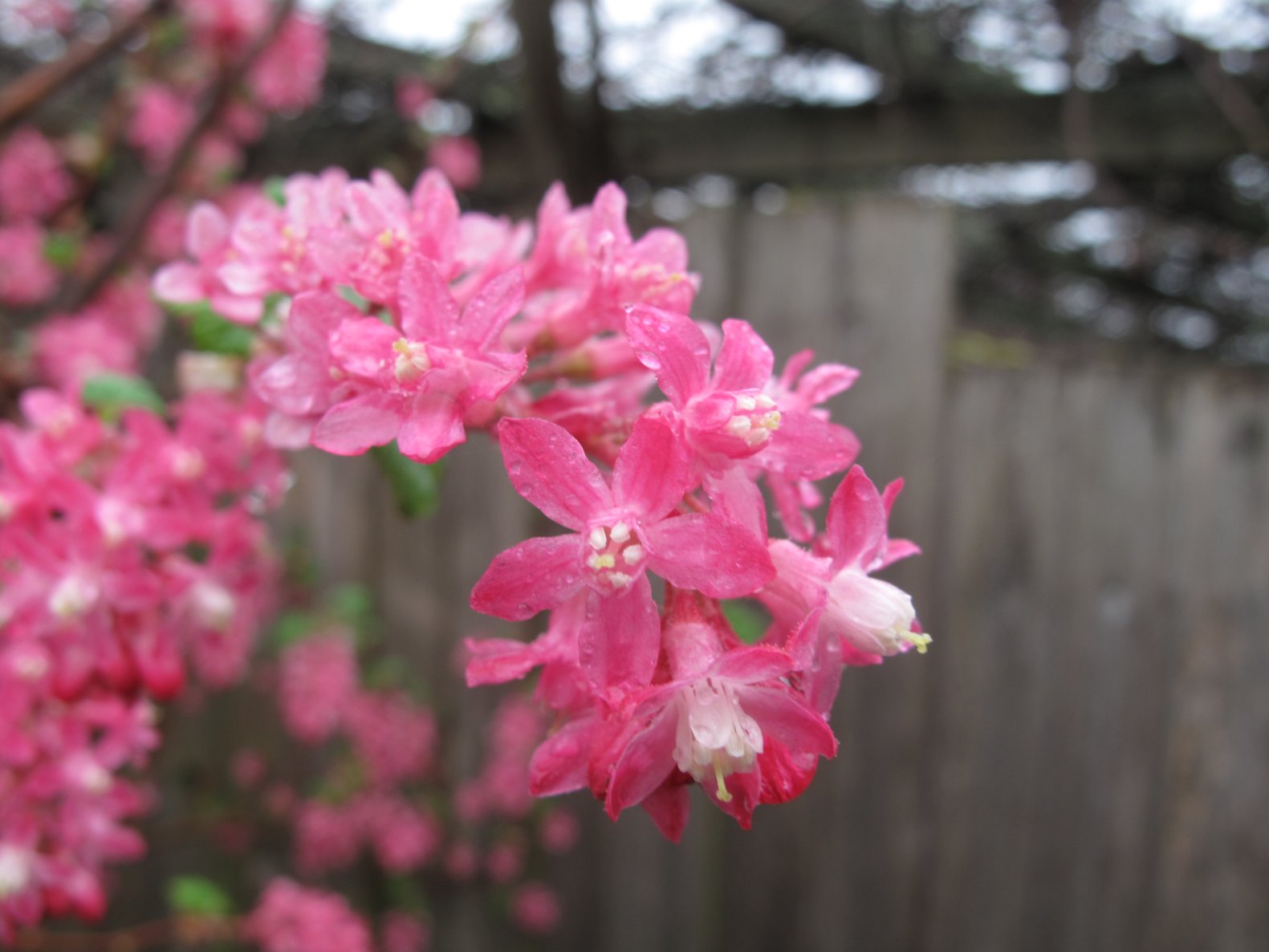
Bloom color in the following close-ups of King Edward VII and the species are similar,  the parentage is unmistakable.  For sure, King Edward has a less sprawling habit than the species, but to my eye both are early spring wonders.

detail species R sanguineum

R. sanguineum bloom detail- click image for viewer

detail R.sanguineum King Al VII

King Edward VII bloom detail – click image for viewer

If you’re intrigued by red flowering current and would like a succinct and compelling roundup of some garden worthy plants in the genus Ribes, check out this excellent  blog post by the garden writer Ketzel Levine.