Crimson River Lilly Redux

Since I’m new to blogging about plants (only 27 published posts) and currently enjoying a tiny readership, you might be wondering why I would choose to write a second post about the Crimson River Lilly.  Well, my clump of the cultivar ‘Oregon Sunset’ continues to impress.
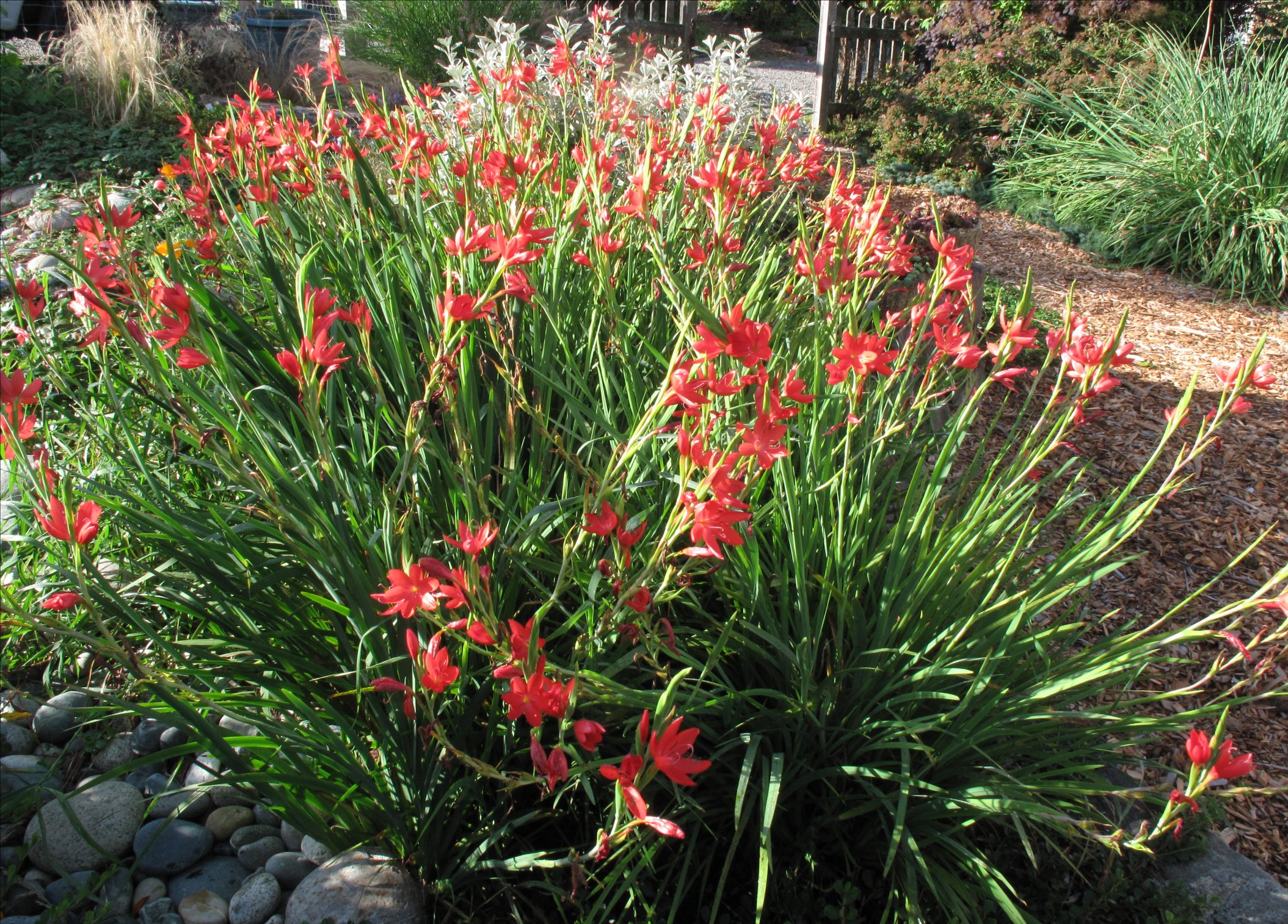
Hesperantha coccinea-Oregon Sunset Clump

Clump of Hesperantha cocinnea covered with new bloom early September 2013

When I first wrote about this plant in January of this year, my clump had been stellar, blooming through the fall of 2012 and well into January.  Sporadic blooming continued in February and March and was followed by a very dry summer when flowering stopped.  Nevertheless the strap-like leaves were a nice foil to summer bloomers.

A new cycle of fall blooms began about four weeks ago as flowering stems began to make an appearance.  I responded with a bit more watering (our late summer was exceedingly dry) and by late August and early September much needed rainfall made an appearance.
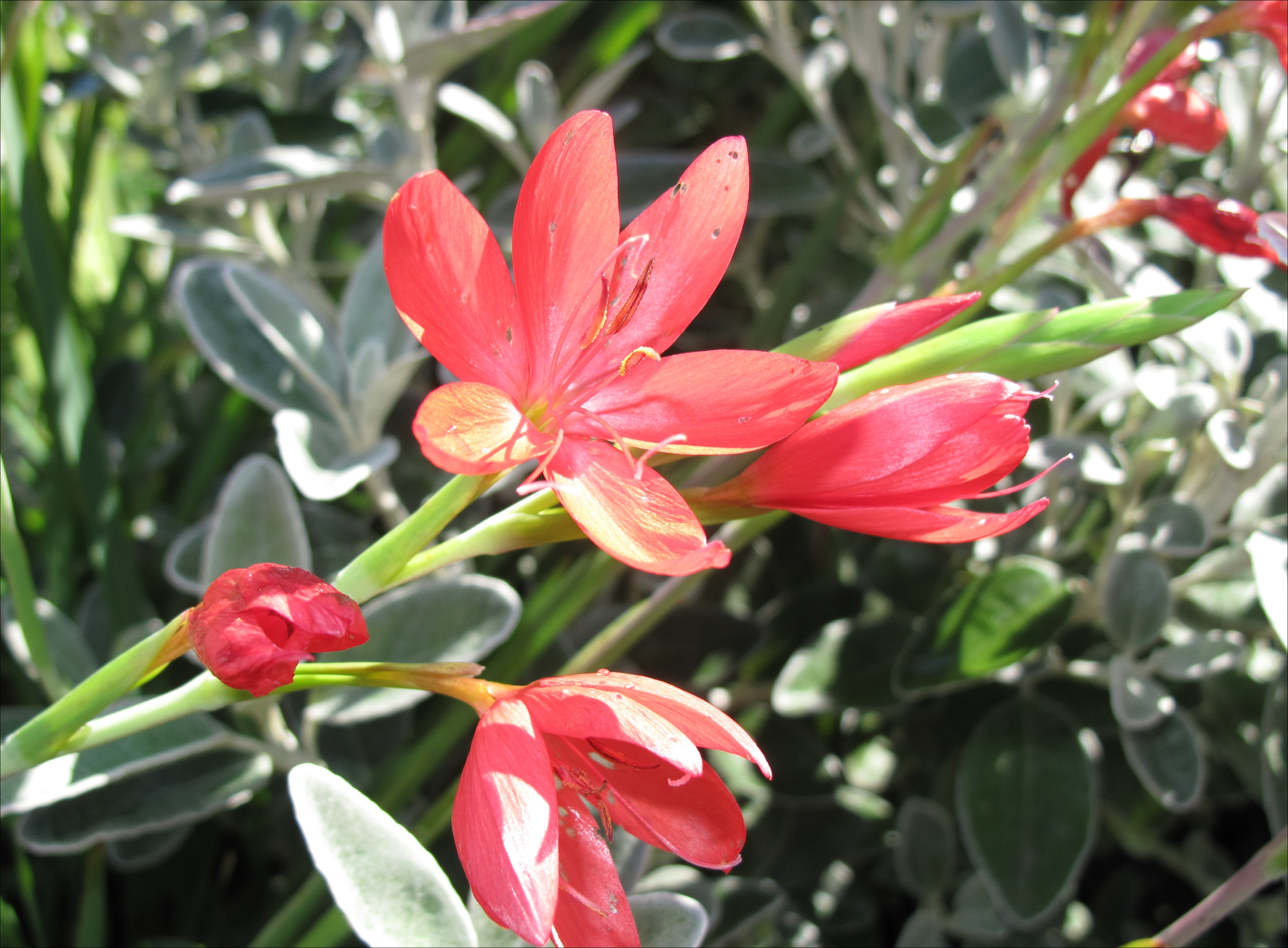
H coccinea stem

Click above photo to see image details in a new window

New blooms on each stem open from the bottom up so it’s easy to clean up older stems by simple deadheading the spent flowers at the bottom of the stalk followed by snipping out the spent stems.

If you choose, you can easily skip deadheading and periodically spend a few minutes culling out the stems that are done.  I’m convinced the clump responds by sending up new flowering stems.

Oh yes, why use redux in the title of this post rather than simply calling the post “Crimson River Lilly Revisited?”   Well, at the risk of appealing to the literati:  Redux comes from the Latin  “reducere,” which is often translated as brought back or restored.  Since the word is now most often associated with literature (John Updike’s Rabbit Redux), movies (Francis Ford Copola’s Apocalypse Now Redux) and music, I thought it might be nice to expand the usage to plant blogs.  We plant folk often learn a bit of Latin ourselves as we struggle to understand the Latin (and Greek) binomials.  Let’s not forget that those Genus and Species name do tell us a bit about the plants characteristics.

For more on Hesperantha coccinea, aka “Kaffir Lilly,” see my previous post.
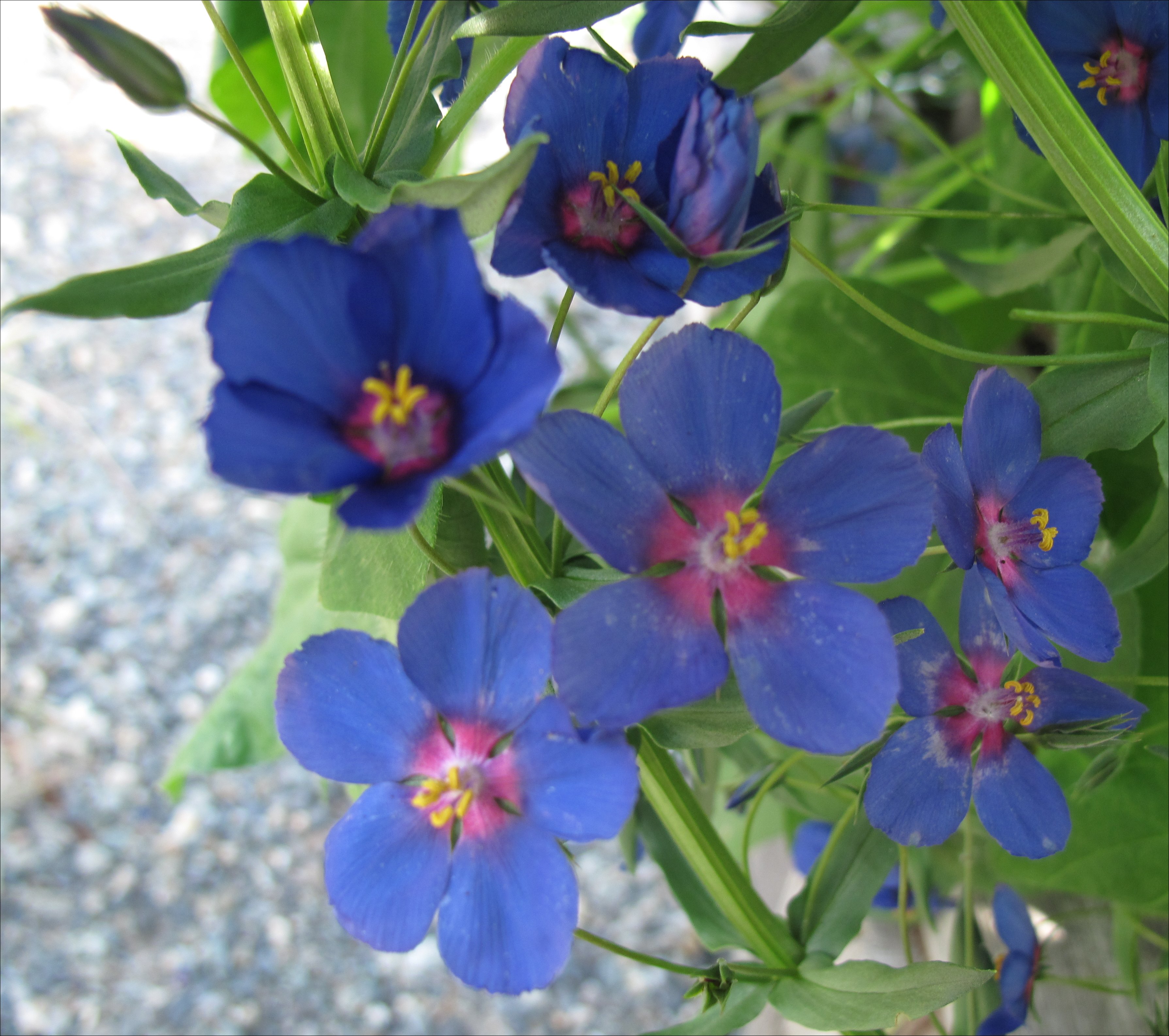
Blue Pimpernel

I don’t buy or raise many true annuals, given a relatively mild Puget Sound winter climate.  Instead I favor plants in the “Zonal Denial” category, which I try to winter over in my small 8 X14 greenhouse.

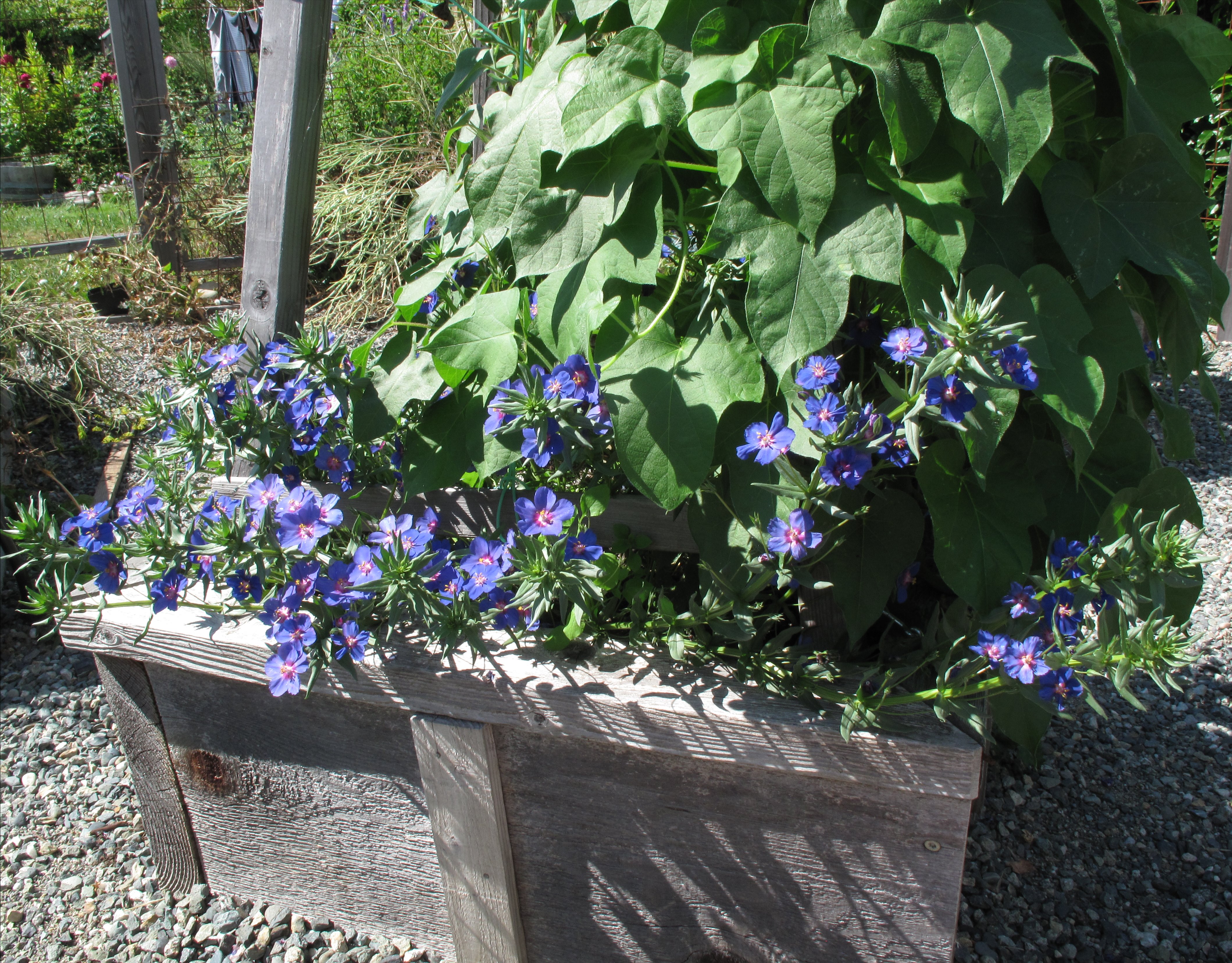
Anagallis monellii 'Skylover'2

Anagallis ‘Skylover’ (Blue Pimpernel)

Others I keep in pots and drag them into a cold garage to protect from the dangerous temps in the mid twenties that sometimes linger for a few days in our generally mild winters.

This year I did buy Anagallis monellii ‘Skylover,’ sold on the annual table at my local Vashon Nursery, DIG.

Here it is at the bottom of an obelisk I built for the center of our potager/kitchen garden raised beds.

Anagallis monellii 'Skylover' in base of Wooden Obelisk

Anagallis monellii ‘Skylover’ and Ipomea leaves in base of wooden obelisk

Before the two annuals (an Ipomea, whose leaves are above the Pimpernel in the above image) and the Skylover were planted in June, sugar snap peas graced the obelisk.

Oh yes, I couldn’t complete this post without looking up the origin of the name Pimpernel, which, according to the Oxford English Dictionary comes from the Old French word Pimpernelle:

…late Middle English (denoting the great burnet and the salad burnet): from Old French pimpernelle, based on Latin piper ‘pepper’ (because of the resemblance of the burnet’s fruit to a peppercorn).

I’m still looking for the Scarlet Pimpernel plant in nurseries around town.  I did find the play written by the Baroness Emmuska Orczy at my local library.

Colchicum Conundrum

My Colchicum conundrum is not having to choose which of these stunning fall bloomers to buy and plant in the landscape.

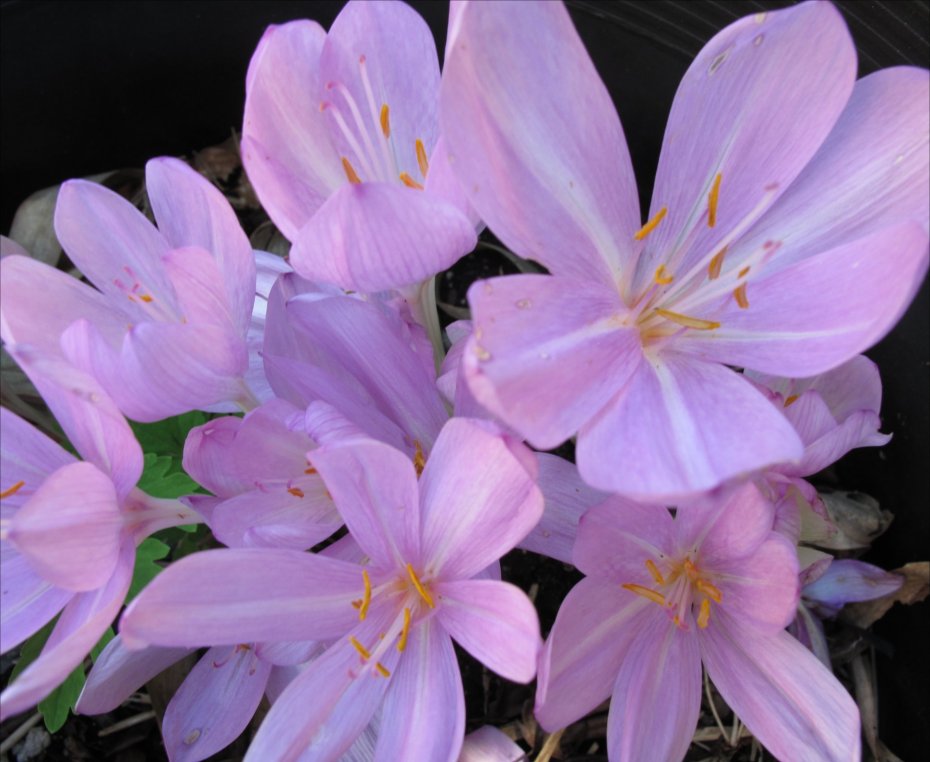
Colchicum autumnale cultivar

Colchicum autumnale cultivar

Nor is it confusion about why the flowers emerge from the ground in autumn sans leaves.

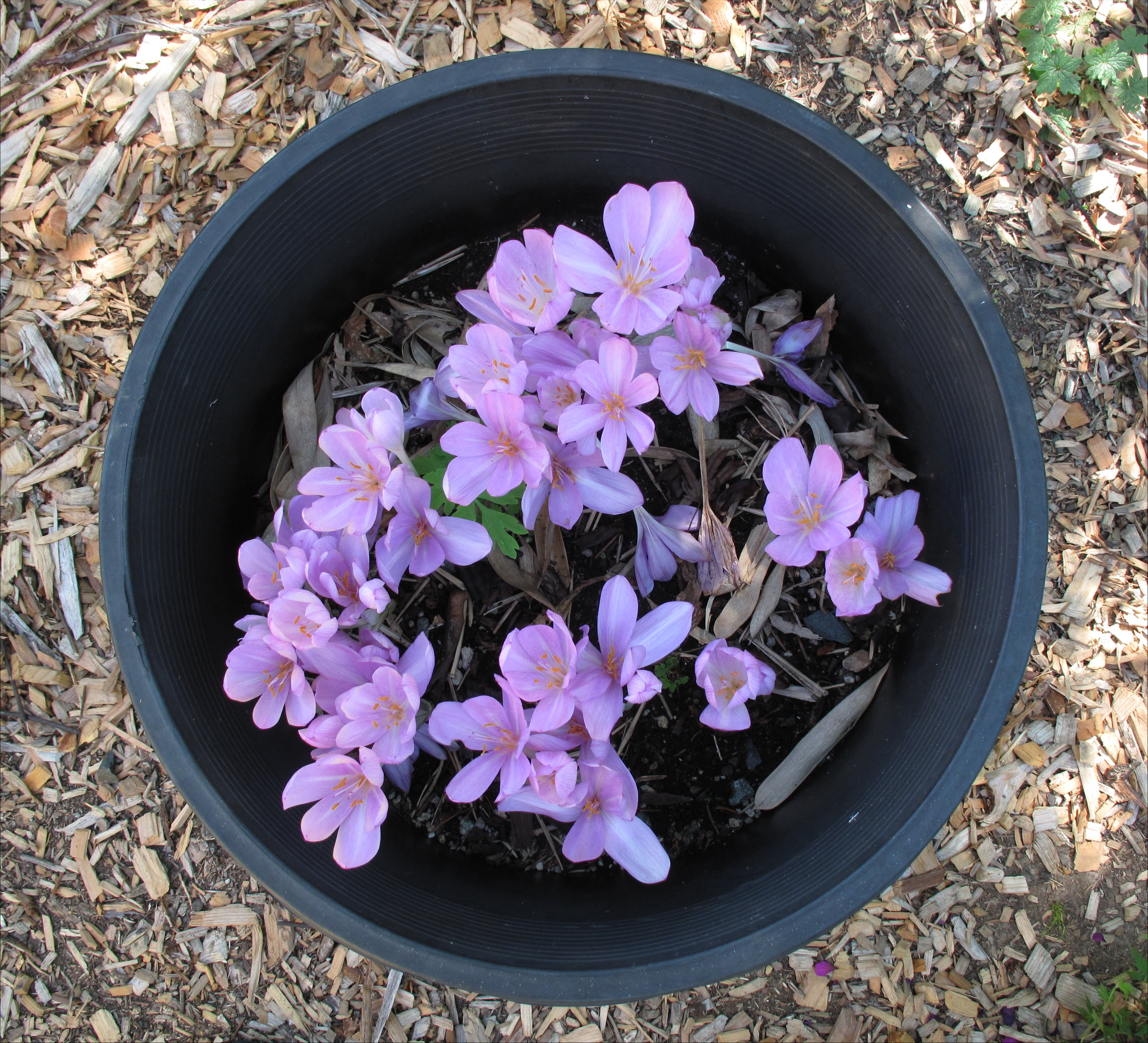
No, my problem is getting them out of the back plastic pots and actually integrating them into the landscape or borders.  Lately, it’s finding the pots in the first place. I had a Colchicum with a waterlily-like bloom at one time, but after the blooms are finished or once the summer big strapping leaves are brown and gone, it becomes harder to identify the pot. I may have discarded the soil without noticing the Colchicum corms.

colchicum autumnale plastic pot

Colchicum autumnale (aka Naked Lady, Meadow Saffron & Autumn Crocus)

Usually right after blooming I move the pots to a storage area and forget about them.  When the strap like leaves appear, which are easily recognizable, I’m reminded of the fall bloom to come and to water throughout the spring and summer.

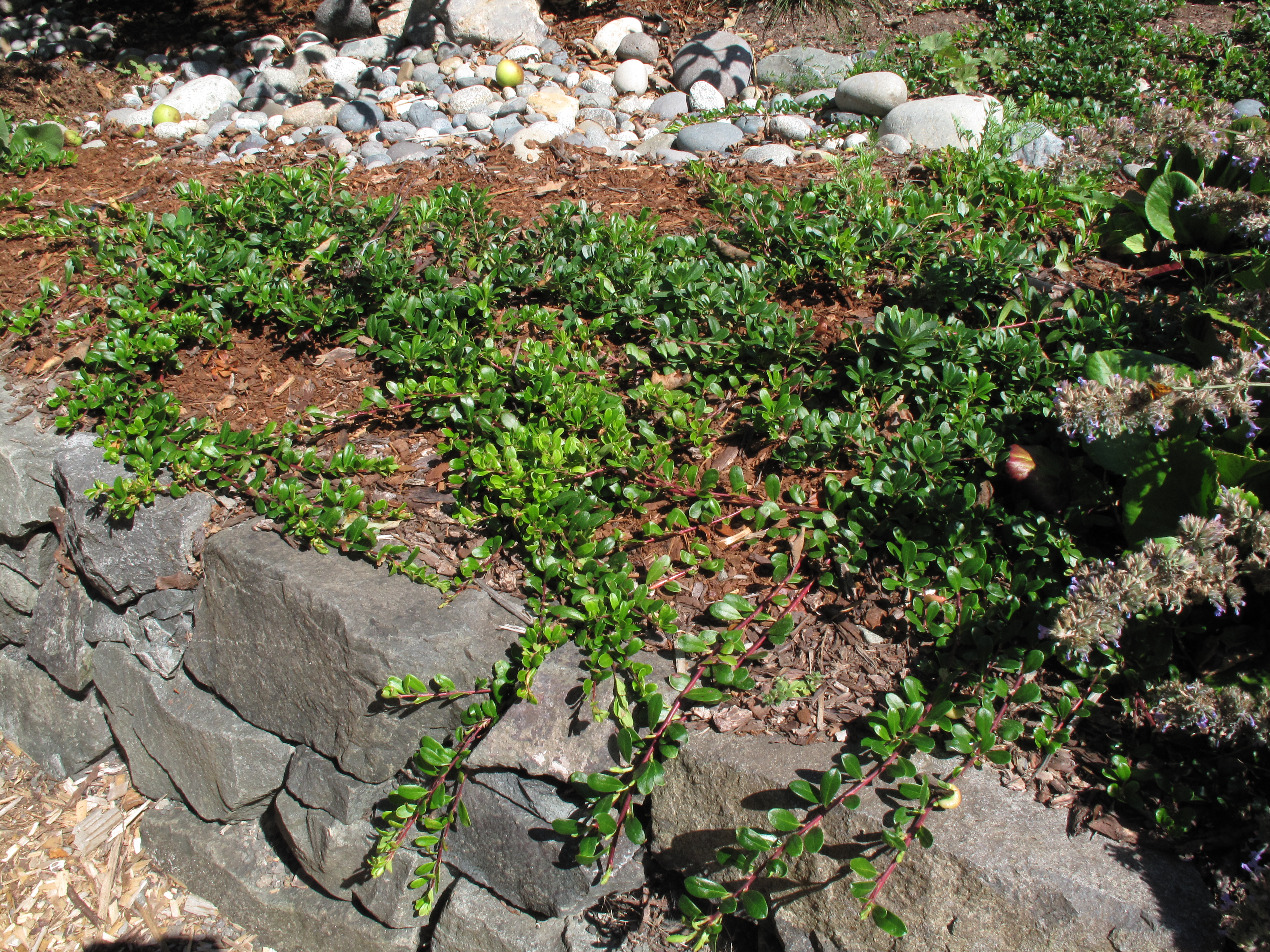
As far as integrating Colchicums into the garden beds —  I originally thought it would be a simple matter of choosing the front of the border with a low growing evergreen ground cover such as Ceanothus ‘Point Reyes’,  a prostrate catoneaster or even our Pacific Northwest native Kinnikinnick.

IMG_3983

Kinnikinnick aka Bearberry (Arctostaphylos uva-ursi)

The fall flowers would pop right through the carpet of green and all would look great.  But how to handle the rest of the year is the thorny issue, especially when the tall clump of strap-like leaves distracts from the other spring and summer plants.

When the clump of leaves finally browns out and the corm underground is sufficiently rejuvenated for fall bloom, then it’s an easy matter of removing the browned out leaves. Until that time though the leaves seem out of scale and superfluous.

Having just now reread the post one solution seems rather obvious to me:  Just buy some better looking pots suitable for placing in the landscape.  I could even transfer the corms back to the plastic pots for the post bloom period right through summer and use the better pots for another plant.

That said, I would love to hear how other gardeners might handle this conundrum in their own gardens.