South African Tree Heaths

This past February at the Northwest Flower and Garden Show in Seattle I bought two South African tree heaths in four inch pots, potted them on, watered well and hoped to see some blooms.  Erica speciosa and Erica canaliculata are both blooming now!

erica speciosa

Erica speciosa

Erica speciosa reportedly is hardy to 20° Fahrenheit, while Erica canaliculata is a bit more tender, listed as hardy to only 30°
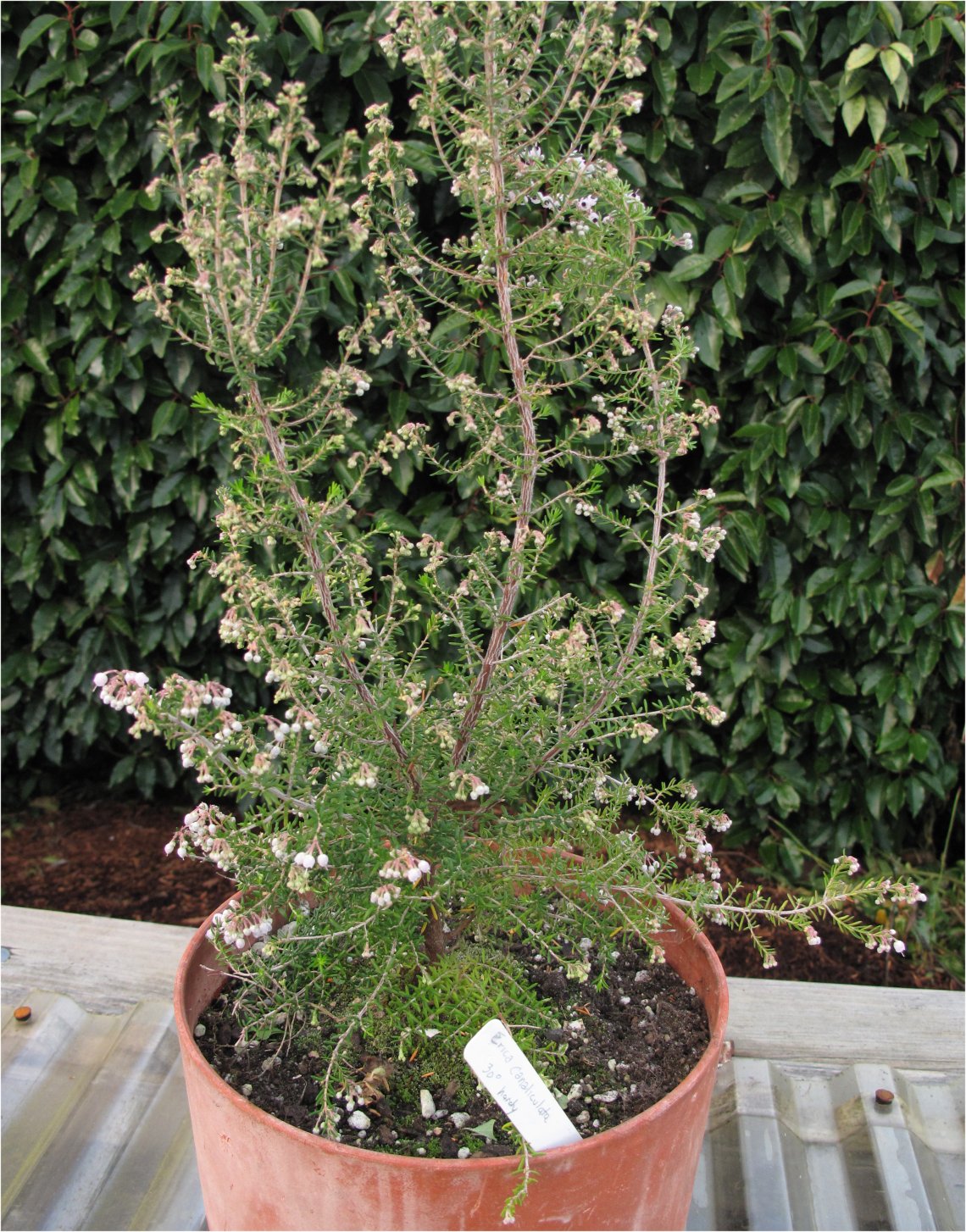
Erica canaliculata

Erica canaliculata

These two plants, from the genus Erica, are endemic (found only in one area of the world) to the Cape Peninsula of South Africa, where apparently over 600 Erica species call home. Up close the blooms are stunning.
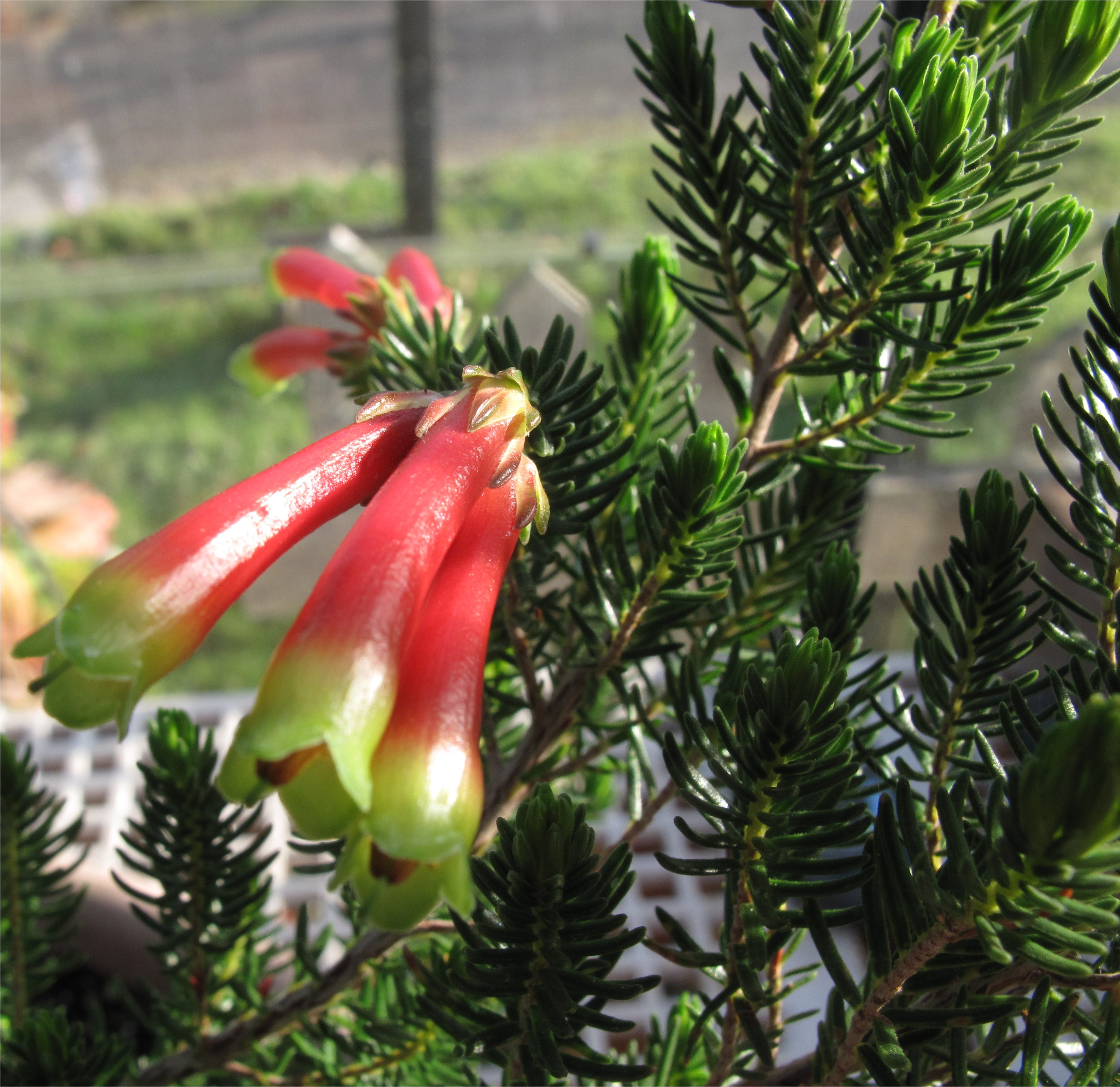
Erica speciosa
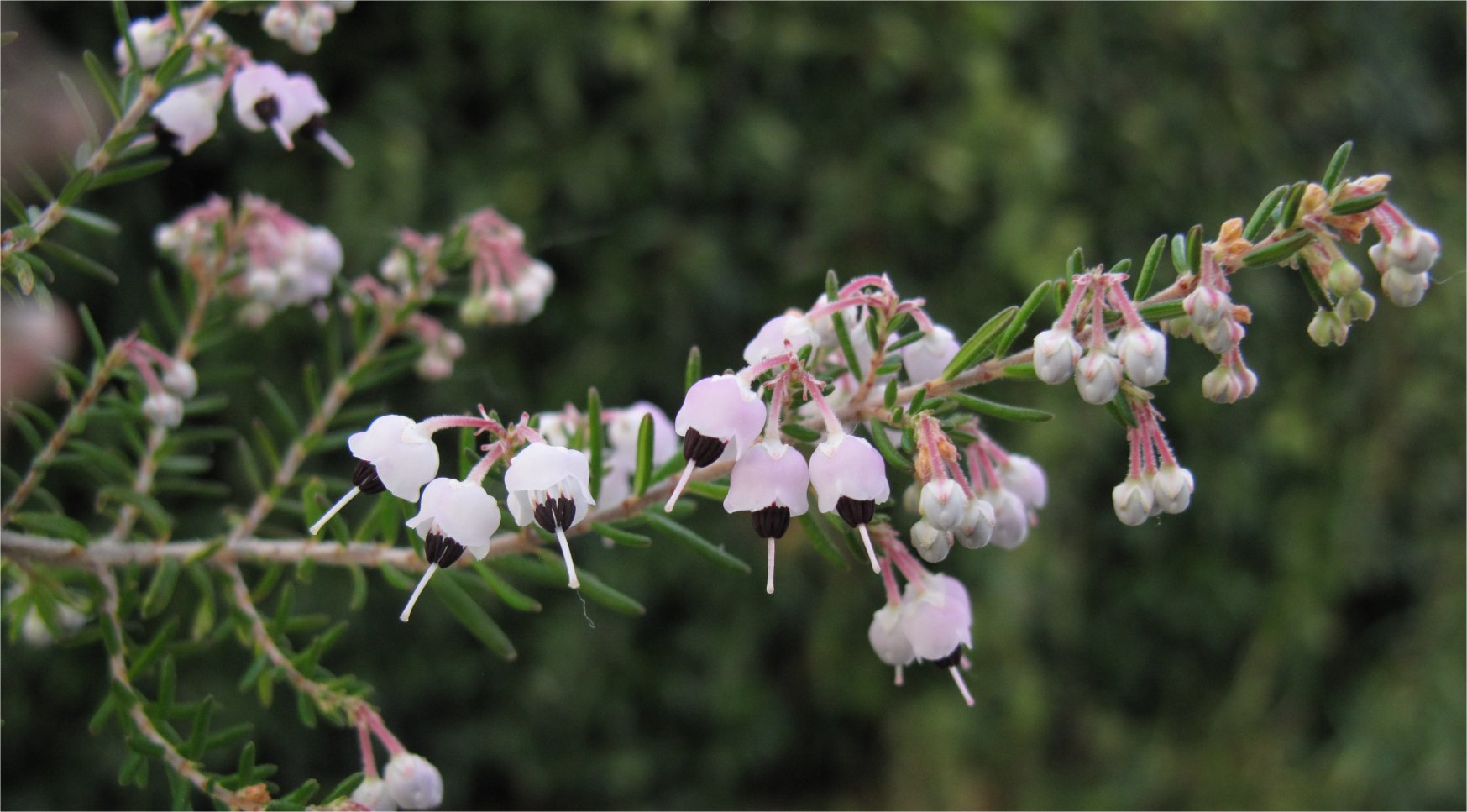
Erica speciosa

Erica canaliculata

Erica canaliculata

I purchased my plants from the Heaths and Heathers’ booth at the show. Their retail nursery is near Shelton, WA, while their main nursery collection is on Harstine Island just east of Shelton:

“We have built the equivalent of a national collection of heather here open to the public.  There are over 800 cultivars in this 3/4 of an acre planting…our personal collection boasts over 900 different cultivars.  Many heathers bloom for several months. Some offer colorful foliage during the winter. On others, the new growth tips are very colorful during late winter and spring. Heaths and heathers range from nearly flat as a pancake to pincushion size to tree heaths. Most are very hardy and are growing in nearly every state in the union. They take minimum care and are drought tolerant once established.”

I definitely plan to visit the Heath and Heather nursery soon.

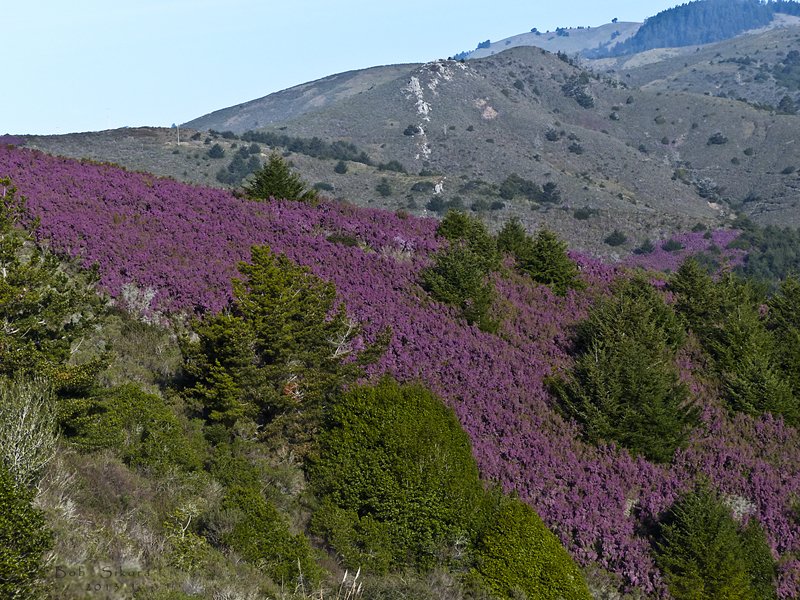
Further afield, in California, a hillside of a lavender colored E. canaliculata is terribly invasive and threatens the native plants north of the San Francisco Bay.  A cautionary tale, as Bob Sikora points out in his comment below.  Clearly this Erica — endemic to another continent  and hemisphere — was introduced to the hospitable Bay area climate and prospered to the detriment of the native plants.
3651

Above photo © Robert Sikora,  available at CalPhotos – a project of BSCIT , University of California, Berkeley

For more on another potentially invasive plant found widely in the nursery trade, see my post on Rosa rugosa ‘Hansa’ Friend or Foe?

Fall Cleanup

Let’s face it, herbaceous perennials are not the tidiest of plants. Then there’s the matter of deciduous trees, raccoon apple detritus, perennial vines that require cutting back and weeds that still think it’s spring.  As I age, I’m learning to appreciate those dwarf conifers that just keep-on-keeping-on without extensive maintenance.

Picea pungens 'Montgomery' Clorado dwarf Blue Spruce

Picea pungens ‘Montgomery’ Colorado Dwarf Blue Spruce

While walking around the garden with a camera doesn’t get the work done, it does provide a before list of things to do, which will be a nice reminder of how messy it all once looked.

rudbeckia

Rudbeckia and quickly disappearing dry stream bed

On the other hand, Rudbeckia going to seed looks fine, so why not wait until frost takes down the entire plant.  The waiting game will also work for the Berberis cleanup.

berberis-leaves

Berberis coloring up with still plenty of leaves to drop (and clean up)

Meanwhile, while strategically procrastinating, there’s still sporadic blooming to appreciate.

Dahlia

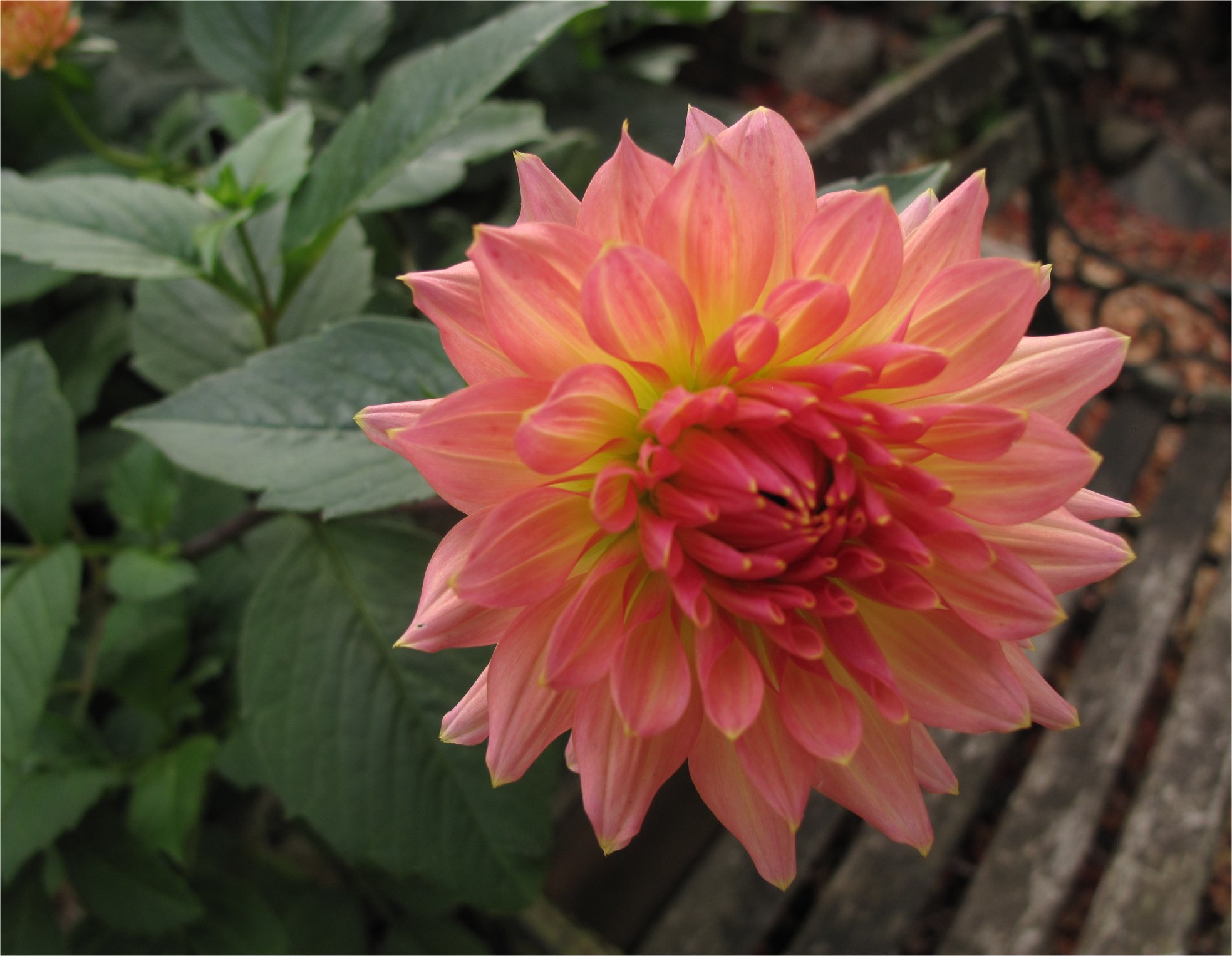
The dahlias refuse to quit blooming

Single hardy Geranium bloom holding on into fall

Single hardy Geranium bloom holding on into fall

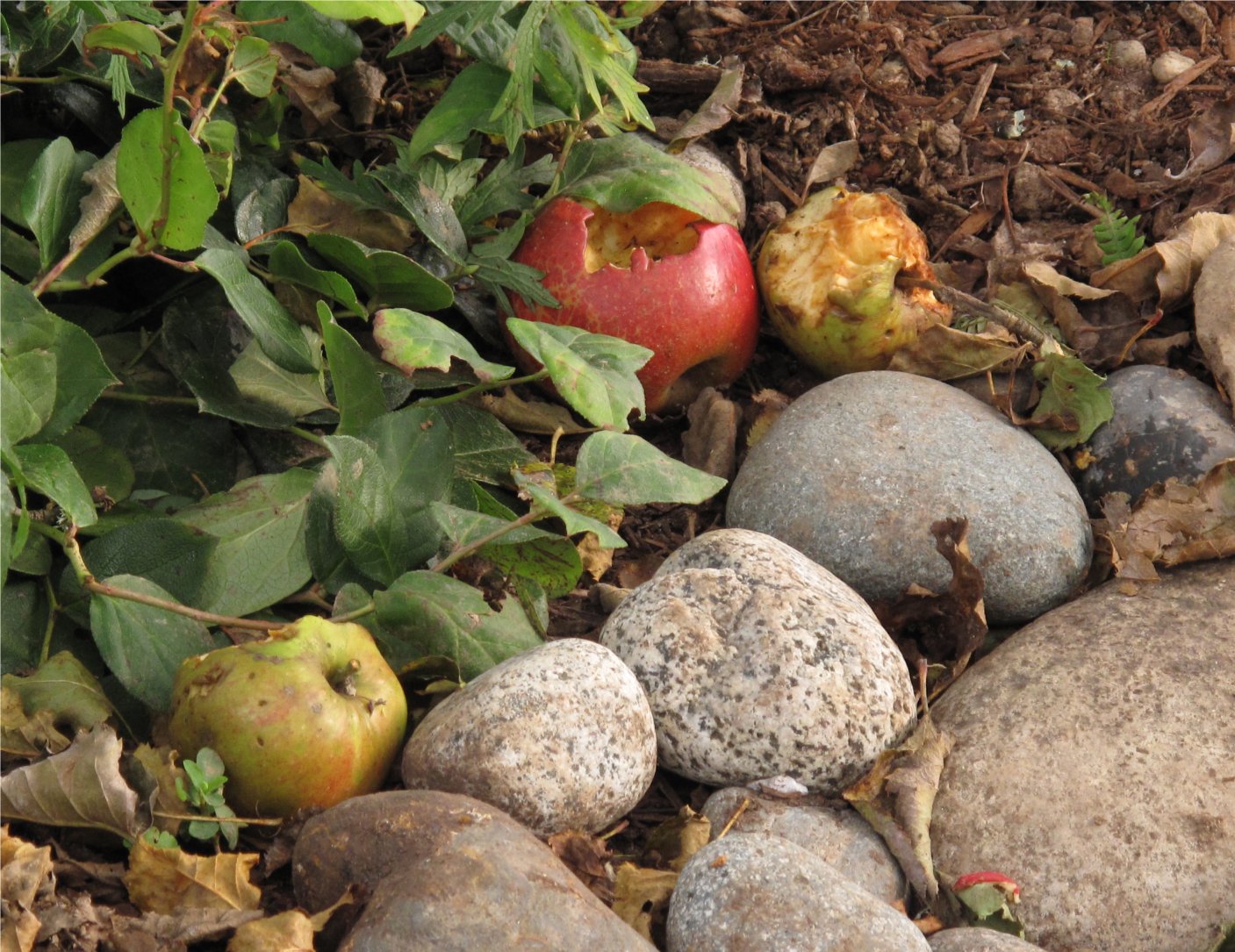
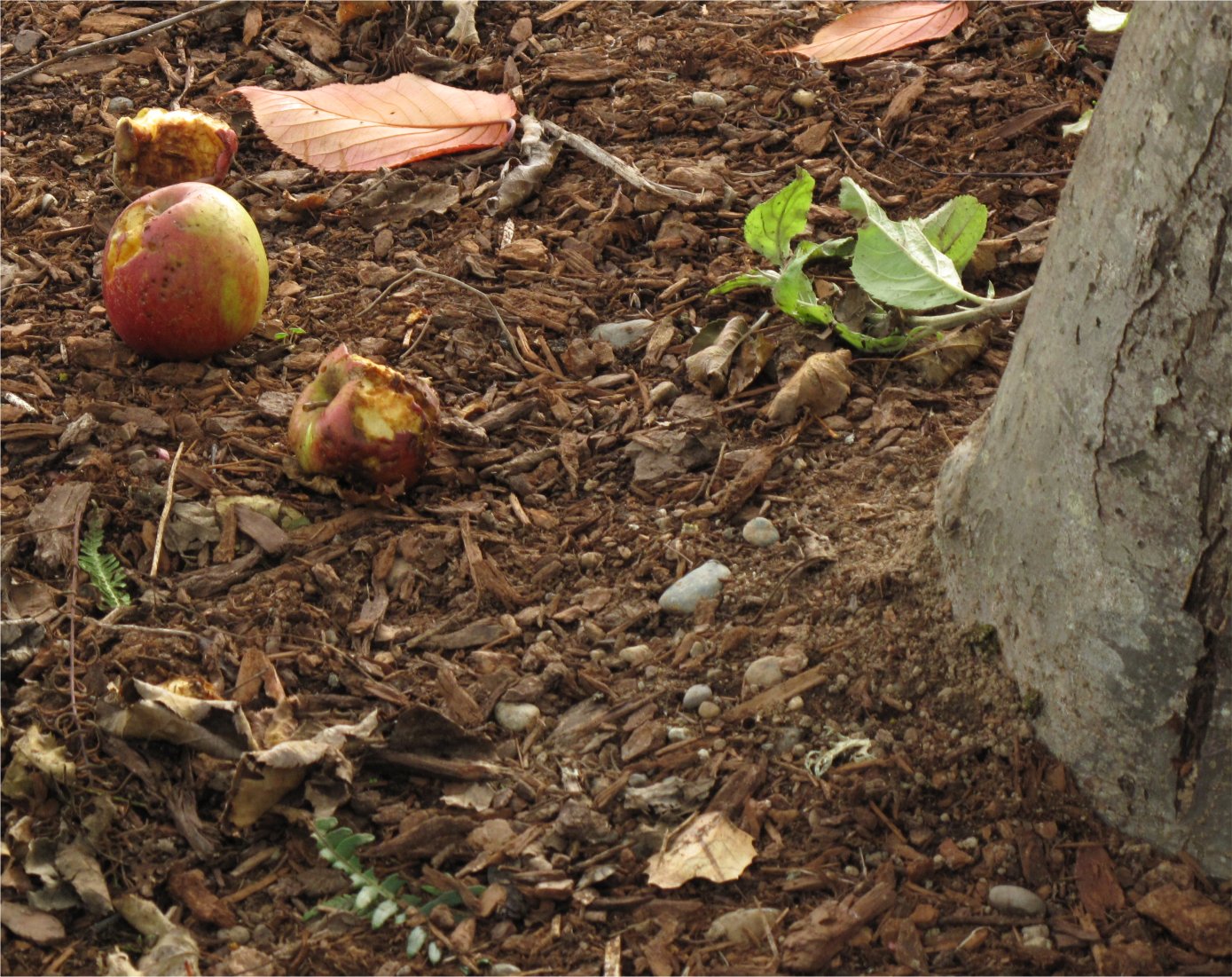
Our apple tree supplied a seemingly endless supply of apples, both for applesauce and the raccoons.

apple1

apple2

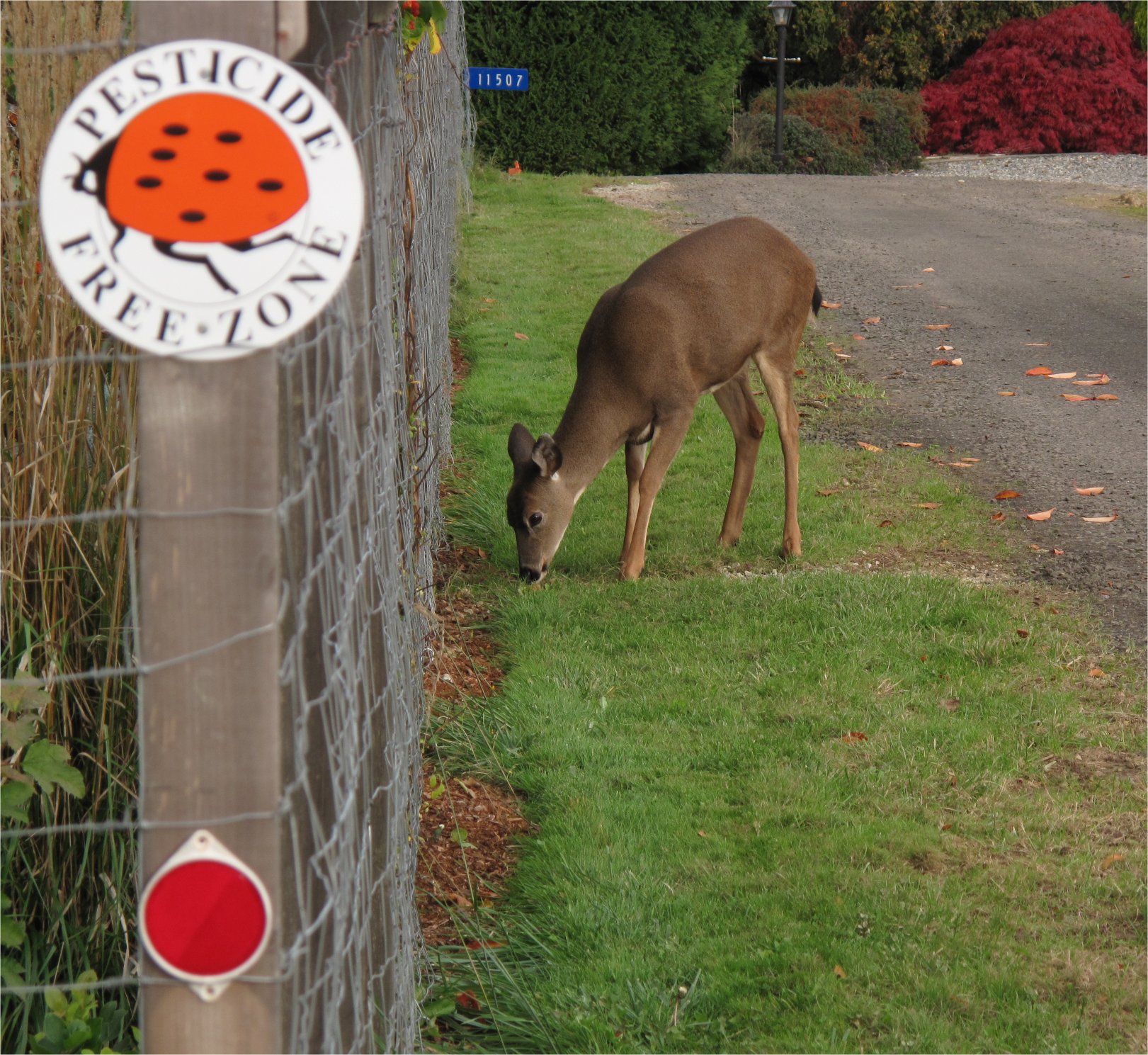
Fortunately, for this lazy gardener, and even if it’s only outside of the fence, the deer provide some help cleaning up after the raccoons.

deer

Fog and Fall Color

In my neck of the woods the last few days have brought fog, low clouds and misty mornings.

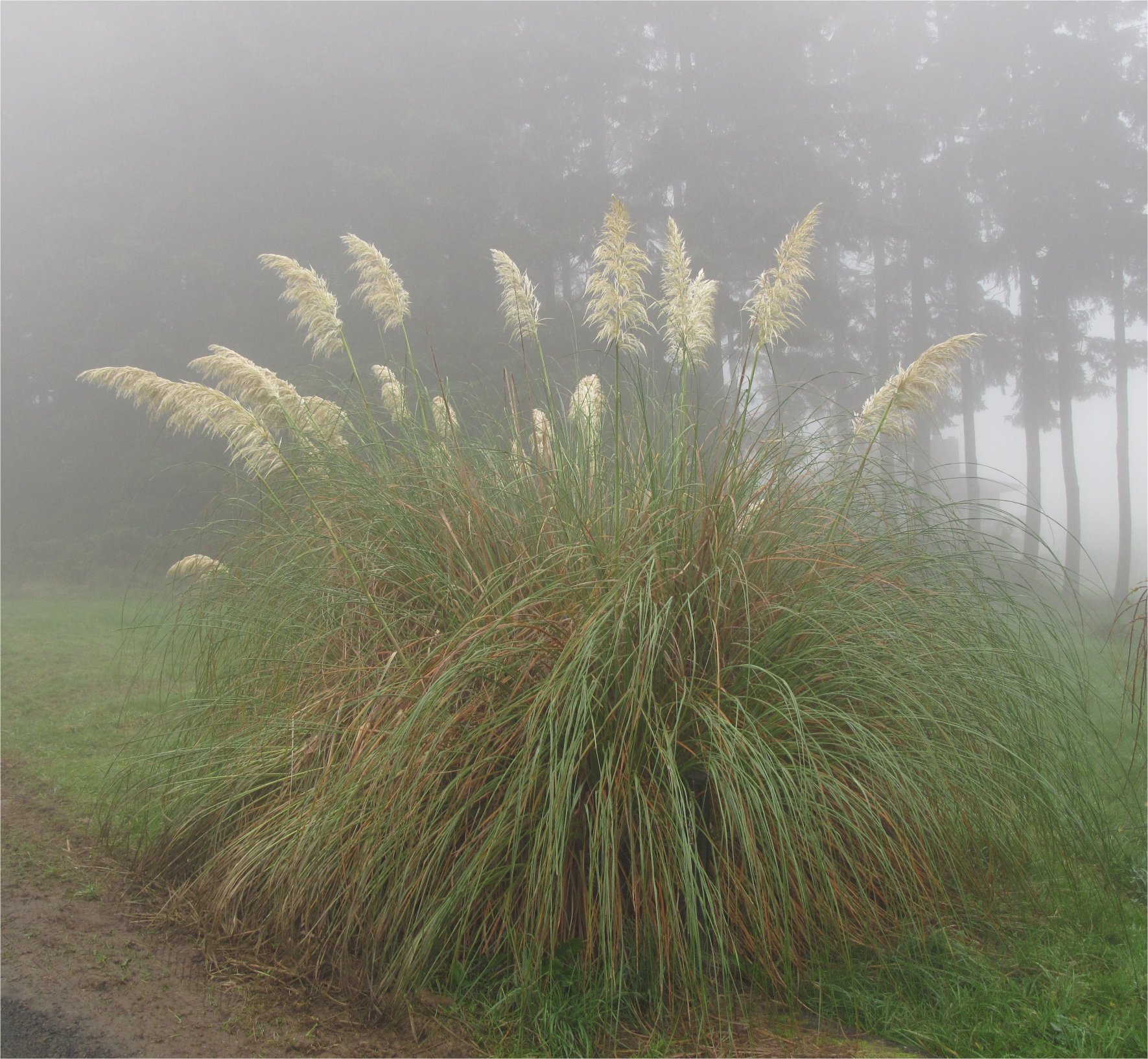
Pampas grass against a background of Douglas Fir

Giant Pampas grass (Erianthus?) against a background of Douglas Fir

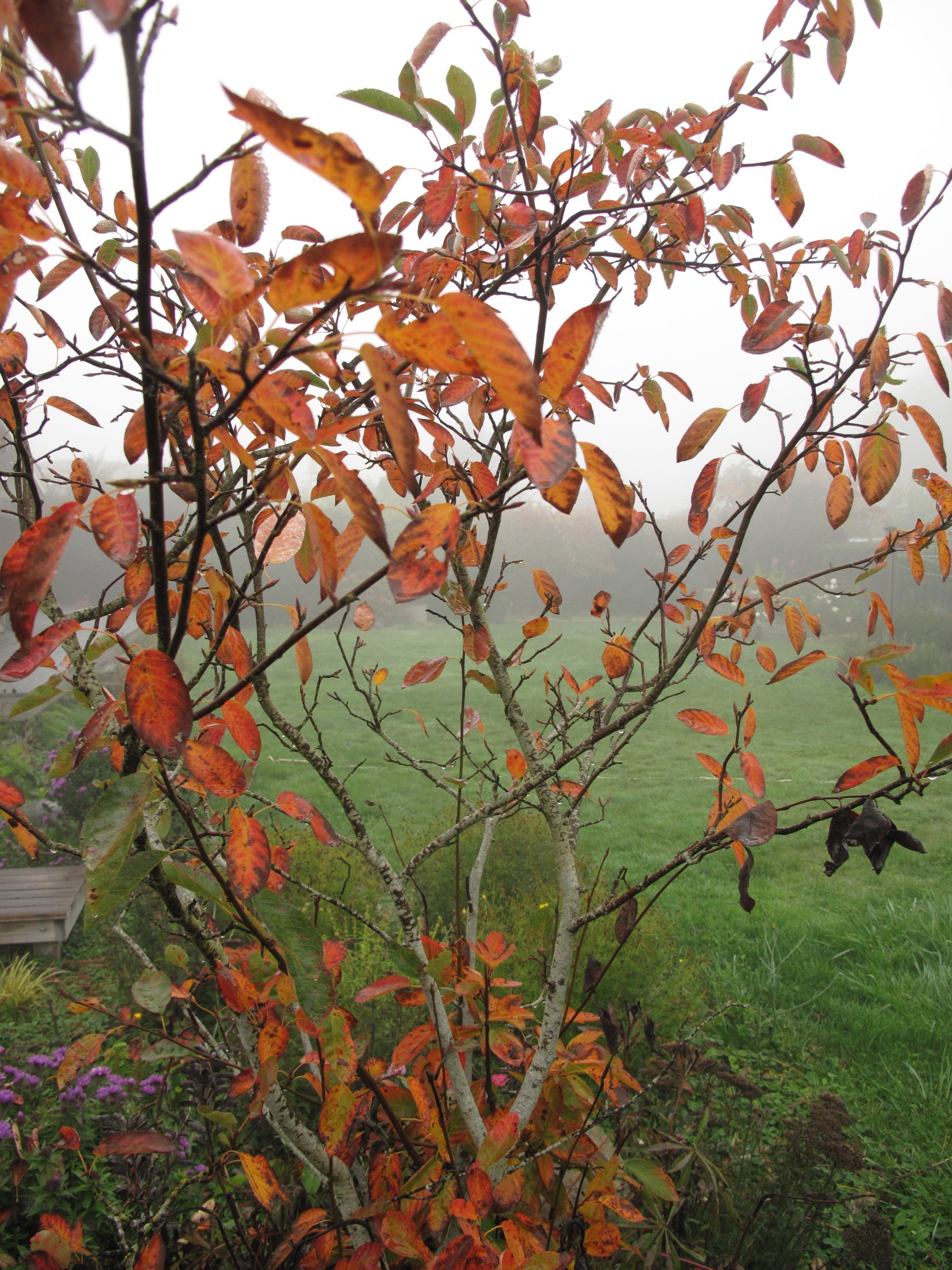
Ferry fog horns and the misty mornings provided a nice backdrop for this Autumn Brilliance Serviceberry.

Amelanchier × grandiflora 'Autumn Brilliance'

Amelanchier × grandiflora ‘Autumn Brilliance’

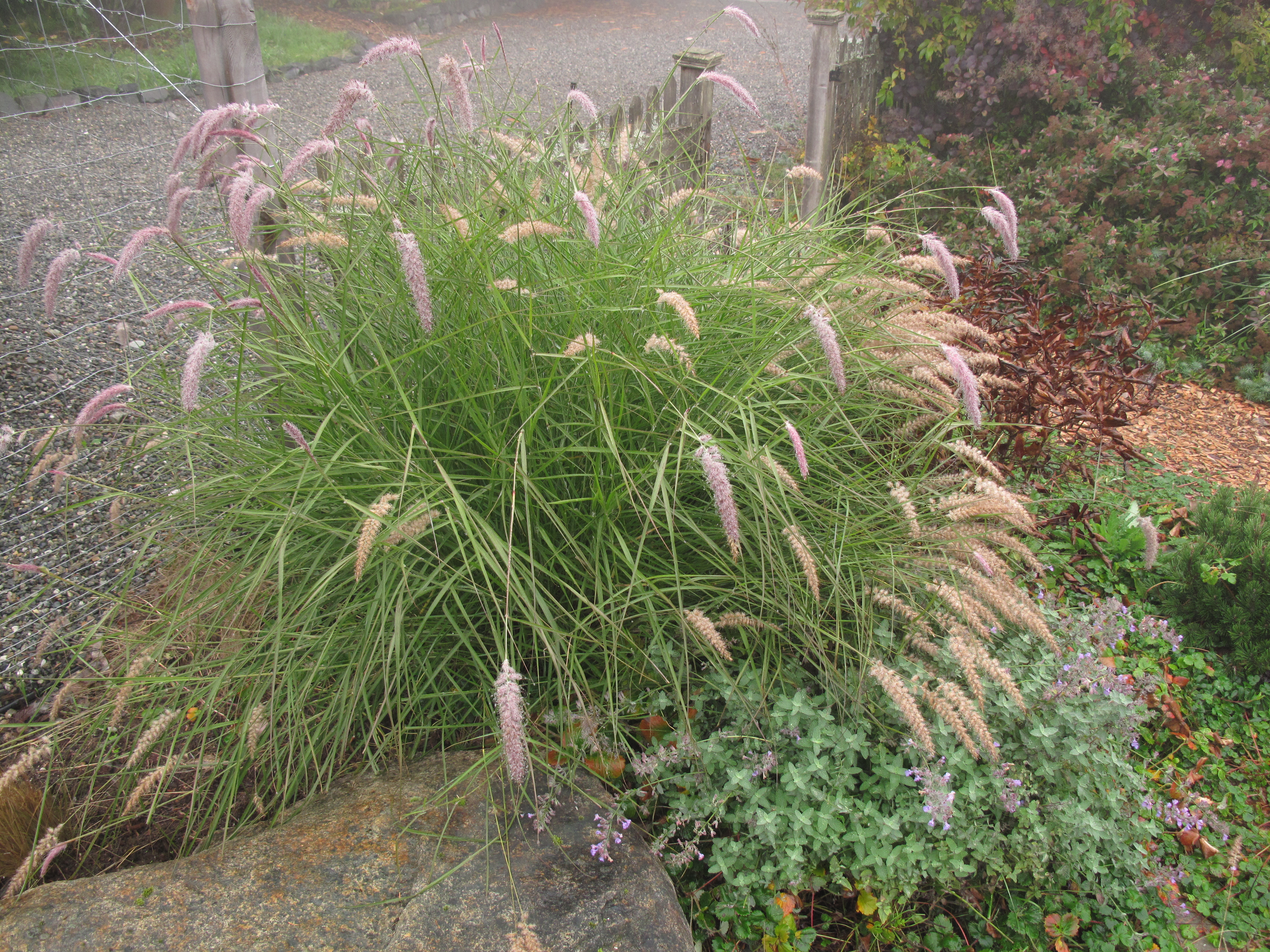
To my color-challenged eye, grasses look especially fetching in the misty filtered light.

Pennisetum orientale 'Karley Rose'

Pennisetum orientale ‘Karley Rose’

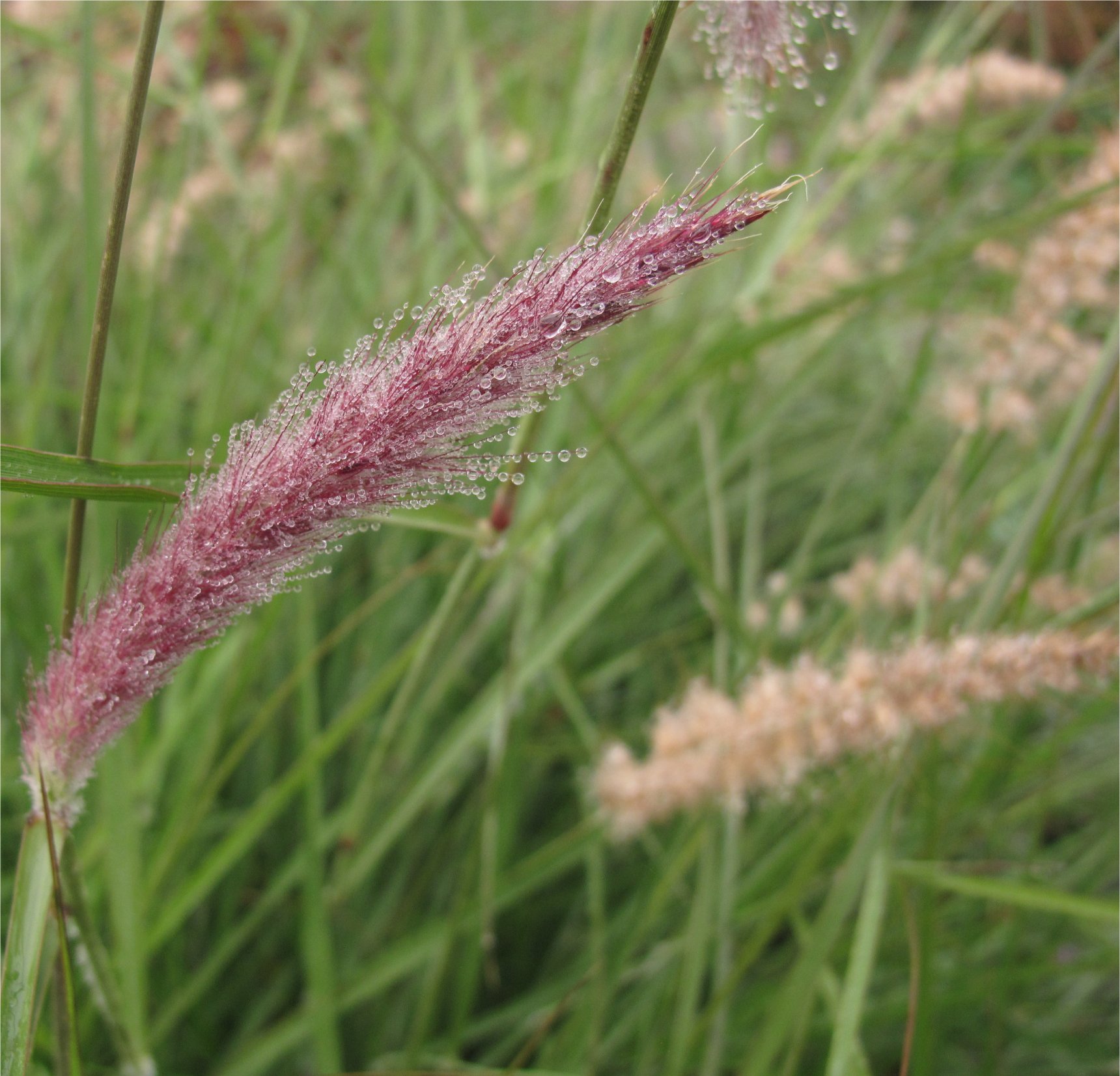
Fading tan colored seed heads made a nice background for the rose colored ones that persist until frost.

tan and rose

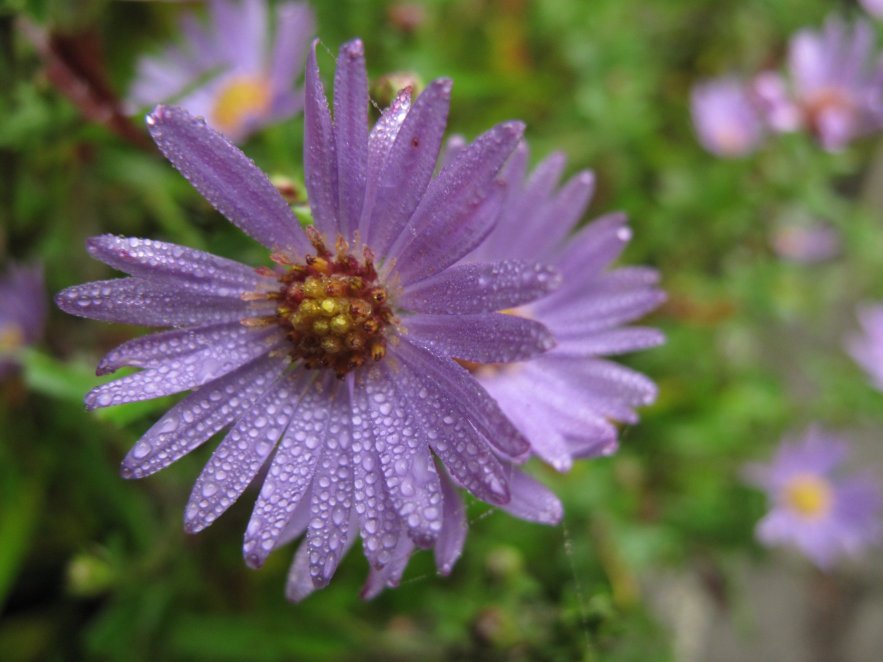
All that moisture in the air, disguised as raindrops, condensed on this aster bloom.

aster

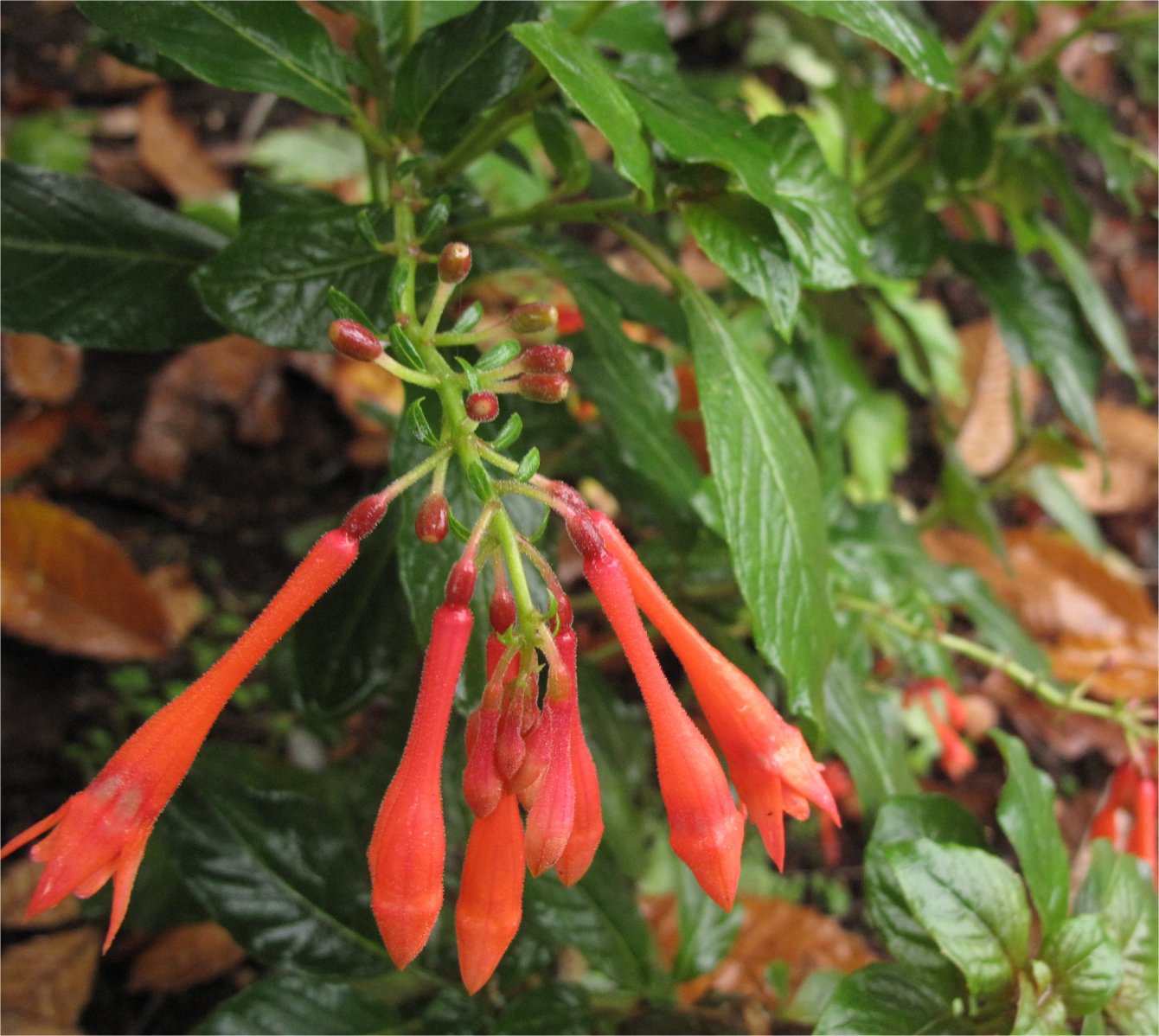
This Fuschia, which may be ‘Gartenmeister,’ hasn’t quite finished blooming. I’m not sure how hardy it is and I may just lose it if we have a hard winter.

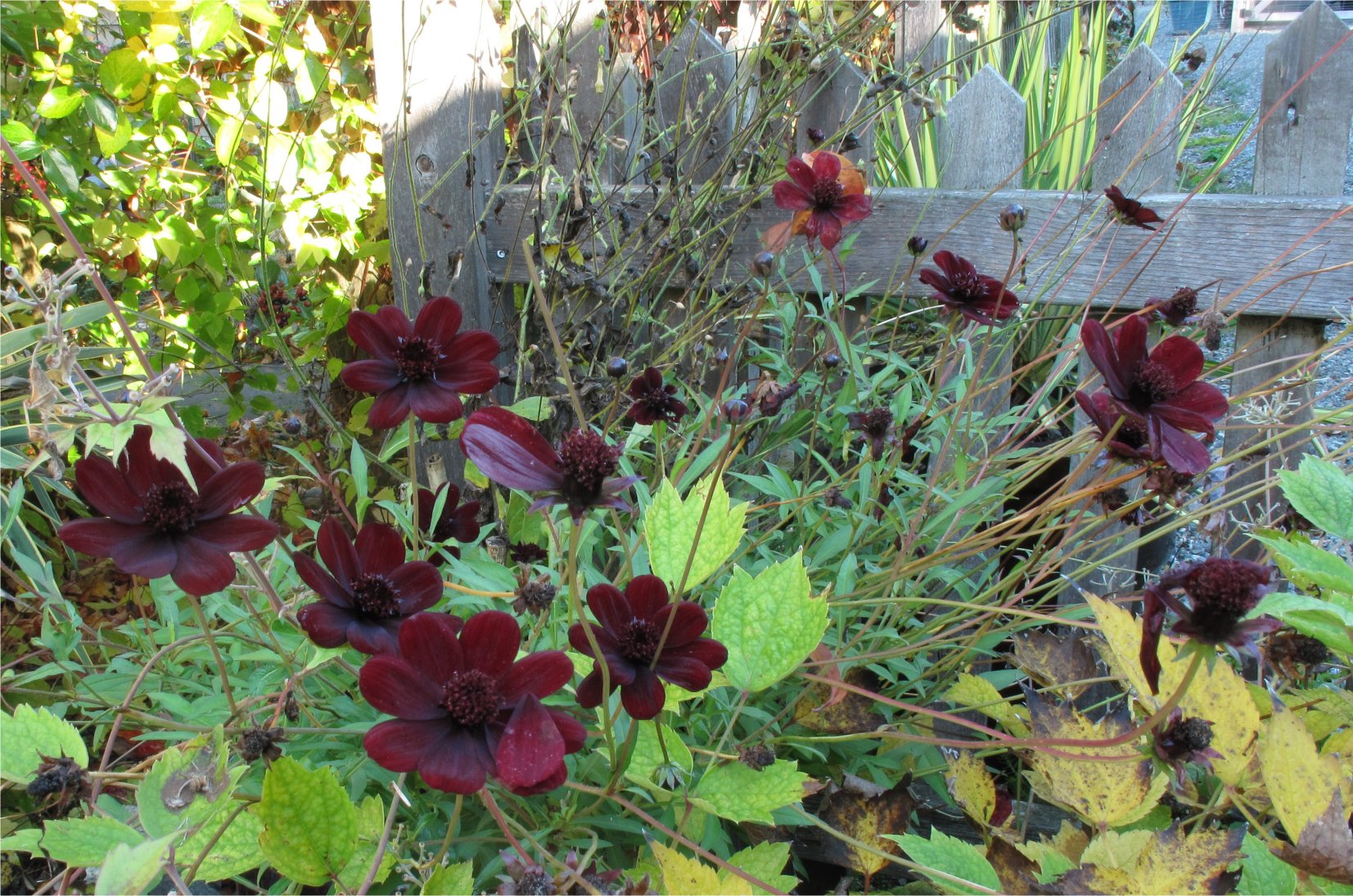
Fuschia 'Gartenmeister' ?Also in the still blooming category is this Chocolate Cosmos.

Chocolate Cosmos in a Pot

Chocolate Cosmos in a Pot

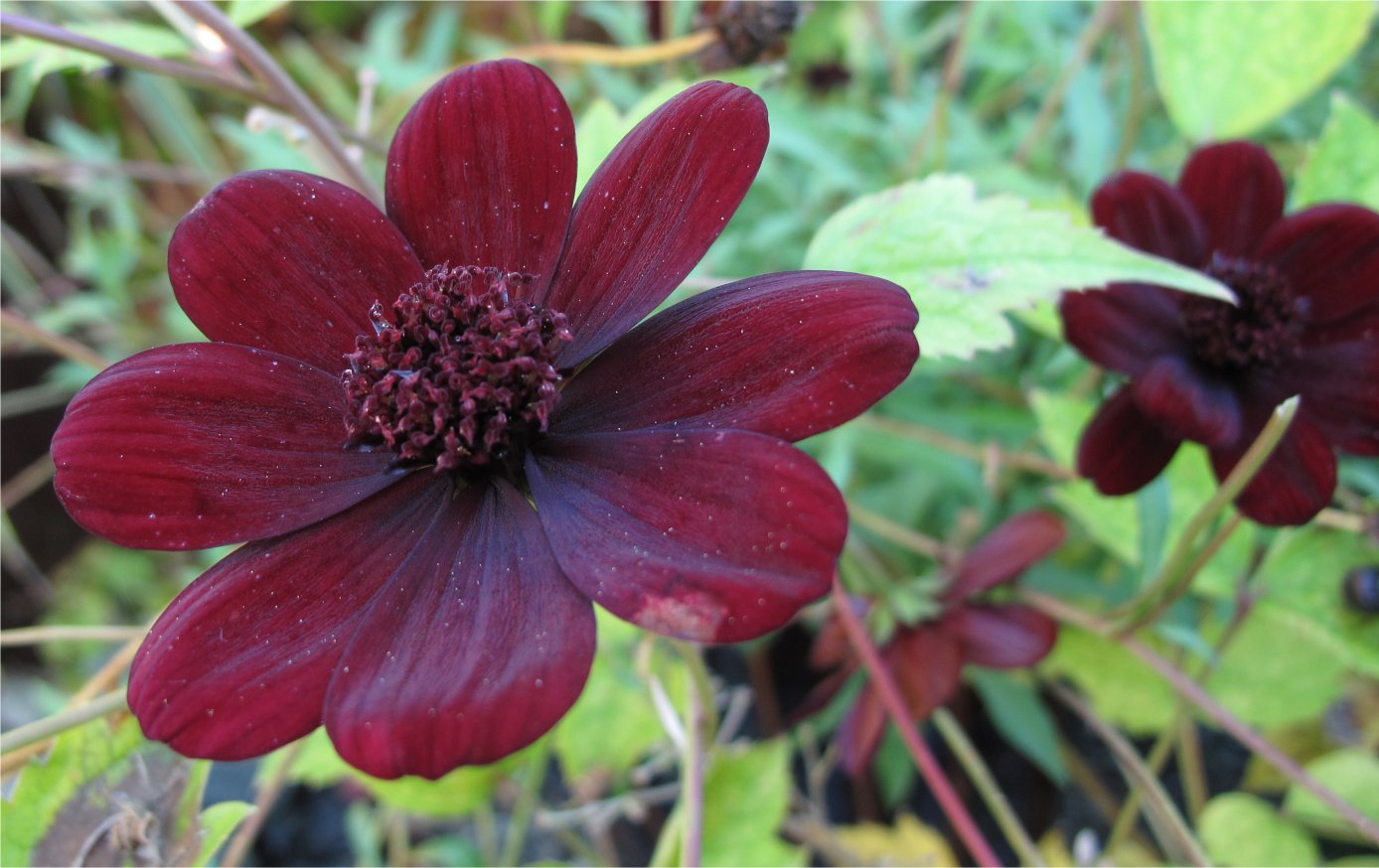
Cosmos atrosanguineus up close

Cosmos atrosanguineus up close

The color of the berries on this Cotoneaster (the exact species still stumps me) seem to deepen with dropping temperatures and so far don’t seem to register as food for birds or other critters. The misty morning and the leaves turning golden on the Chestnut in the background are nice foils for the green and red show.

Cotoneaster 'Rehderi'

Possibly Cotoneaster ‘Rehderi’ or Contoneaster lacteus  (aka C. parneyi)

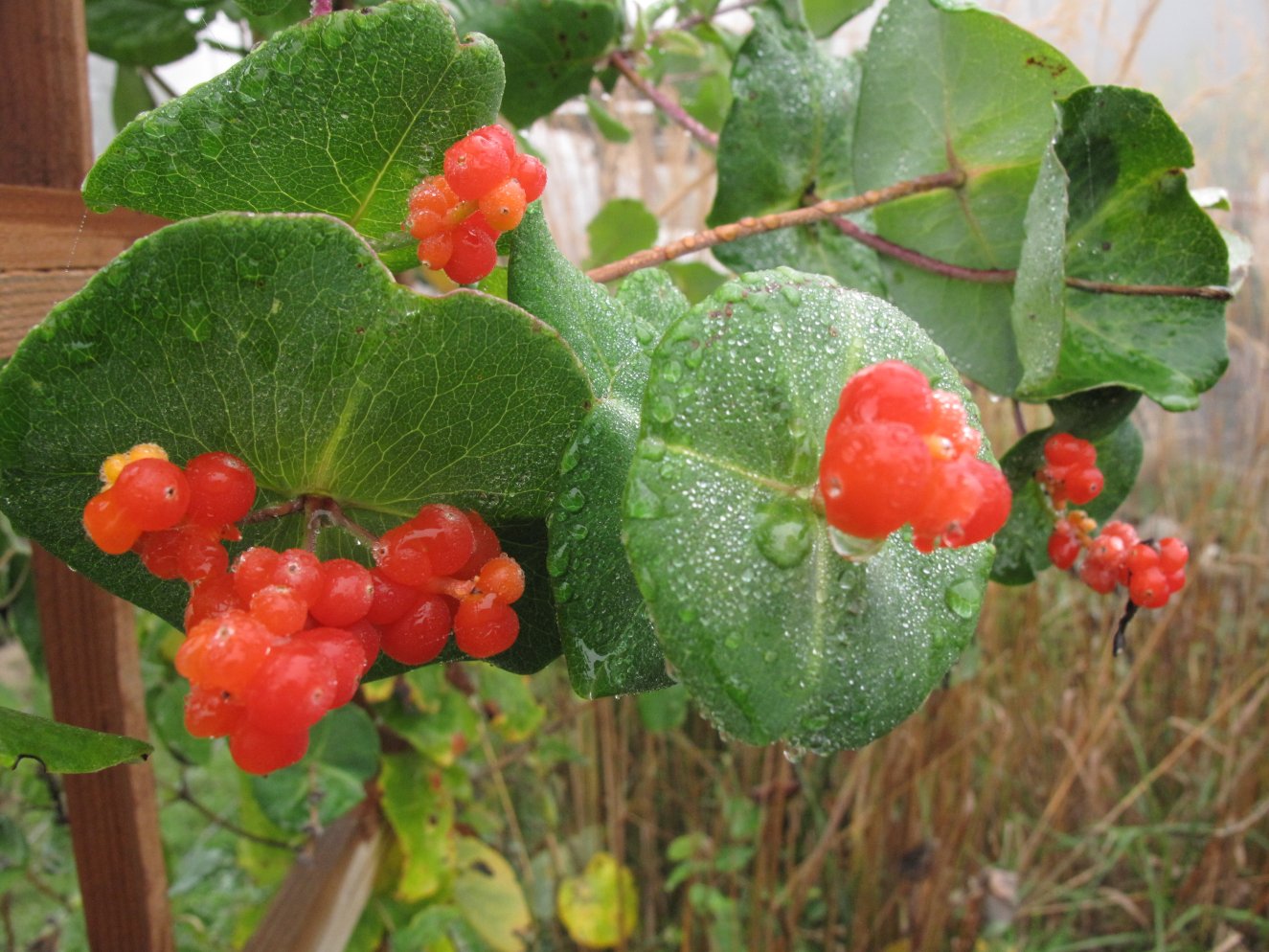
The berries on my Dropmore Scarlet Trumpet Honeysuckle aren’t quite as showy as the Cotoneaster’s, but when blooming, this Lonicera is irresistible to hummingbirds

Img_4547

Lonicera x brownii ‘Dropmore Scarlet’

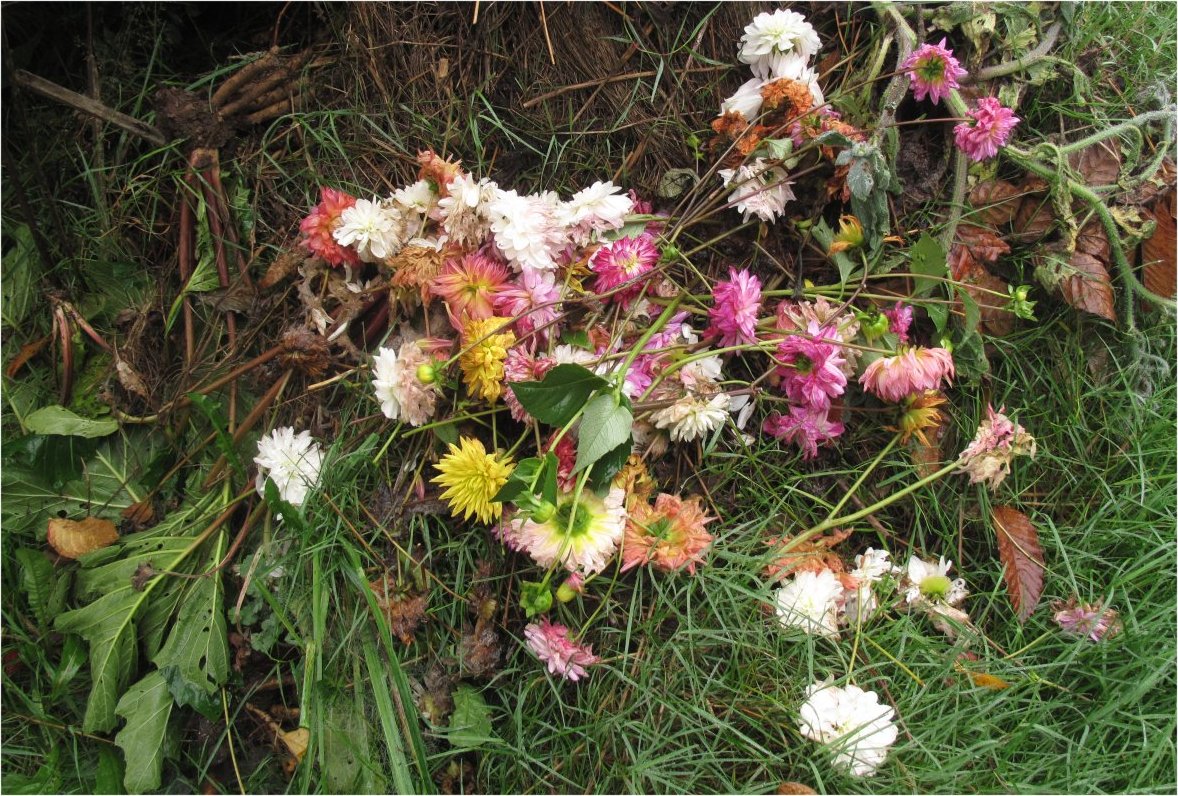
The spent dahlias discarded on a compost pile were a serendipitous discovery.

dahlias on compost

Dahlias on the compost heap