Cotoneaster salicifolius

Image

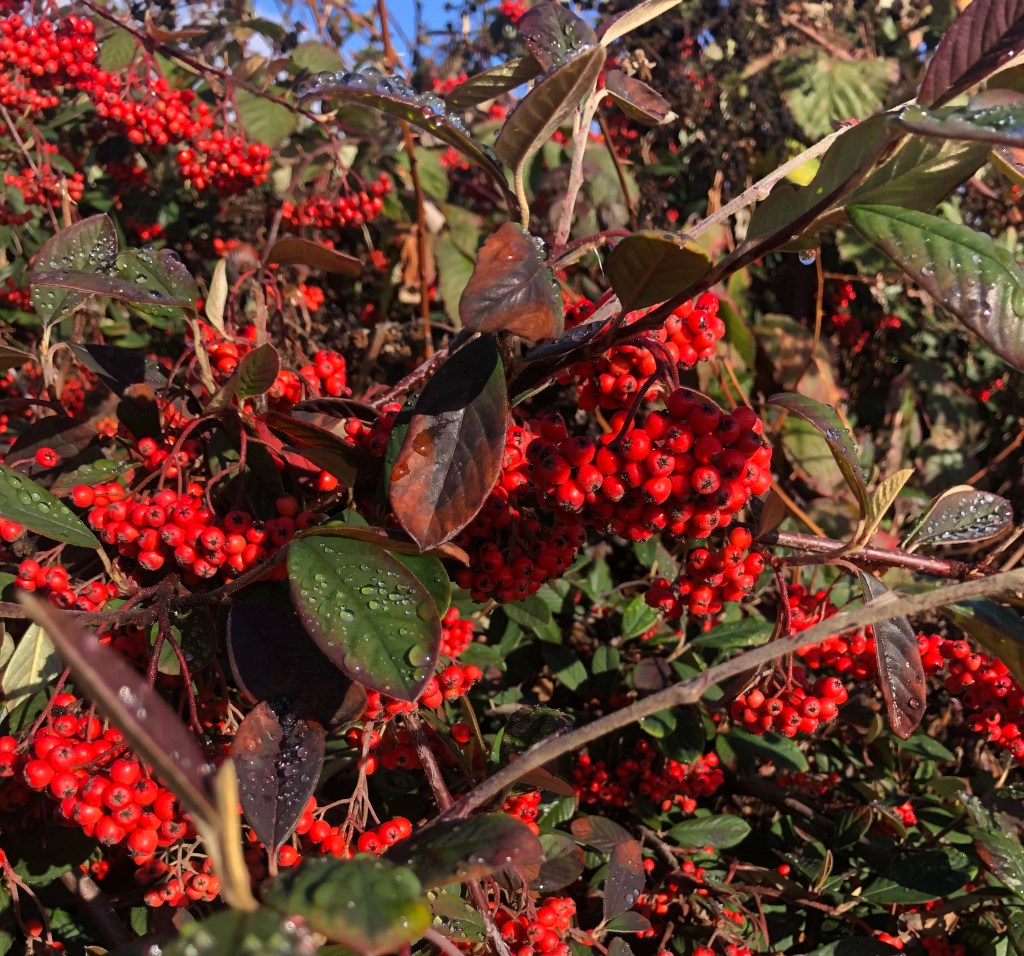
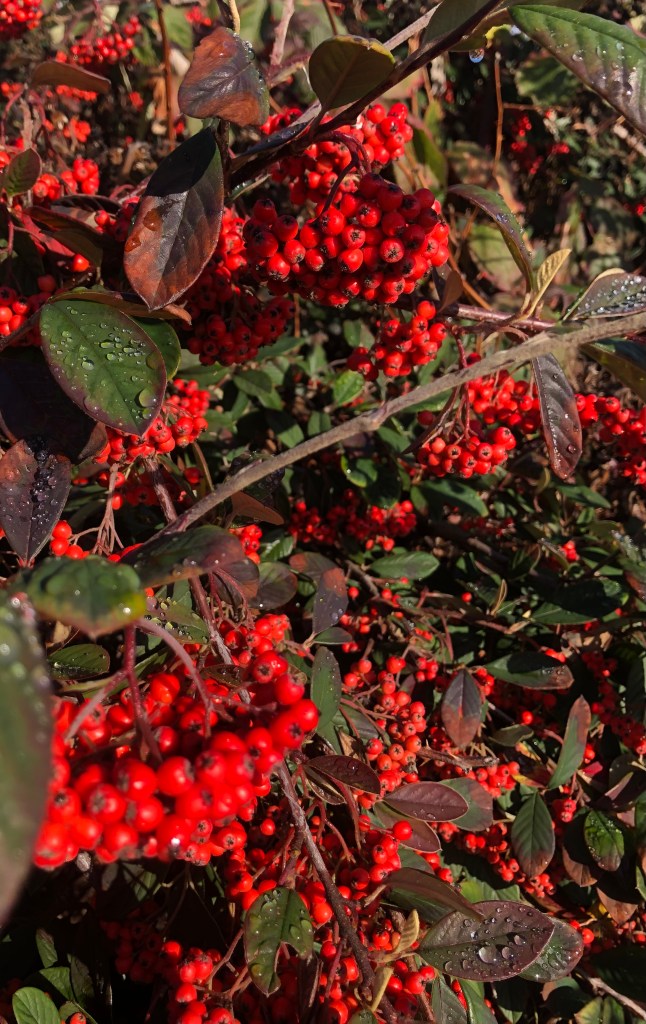
This evergreen shrub is only one example of the Cotoneaster genus, which is huge. The difficulty of cotoneasters is identifying the many species available, though some are abundant and are easily identified. I believe the two photos pictured here are indeed Cotoneaster salicifolius. (Common name, Willowleaf Cotoneaster).

Cotoneaster salicifolius

Cotoneaster salicifolius, AKA willow leaf, is native to the mountains of western China. An evergreen shrub, 6-8(15) ft [1.8-2.4(4.5) m], spreading, arching to horizontal.   Leaves alternate, simple, willow-like, 4-9 cm long and 0.8-2.0 cm wide, 5-willow-leaved cotoneaster (Cotoneaster salicifolius) has relatively long and narrow leaves (25-90 mm long) with dark green, glossy and hairless (i.e. glabrous) upper surfaces. Dark green, wrinkled above, pubescent and glaucous below, while some yellow and red leaves in late fall and winter are a special treat.

Common Snow Berry: Symphoricarpos albus

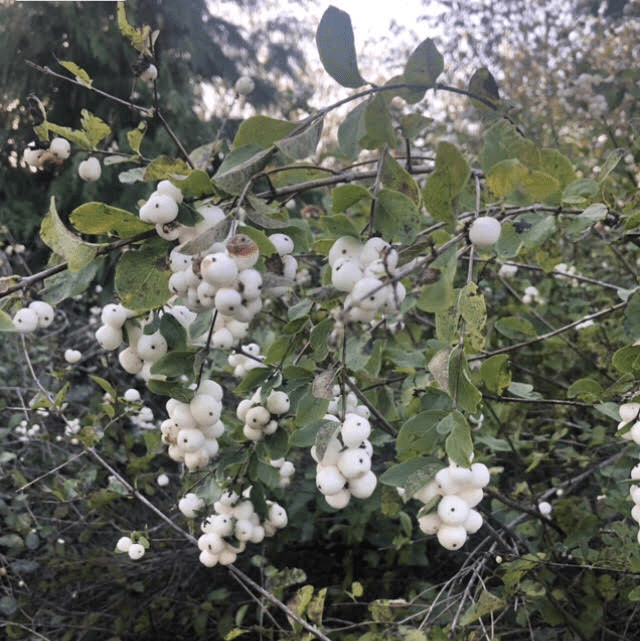
The plant you see close up is a favorite native widely found in the Pacific Northwest. You’ll also find it in Southeast Alaska all the way to Southern California. And all across the northern United States, the Canadian provinces, including Washington State and Oregon.
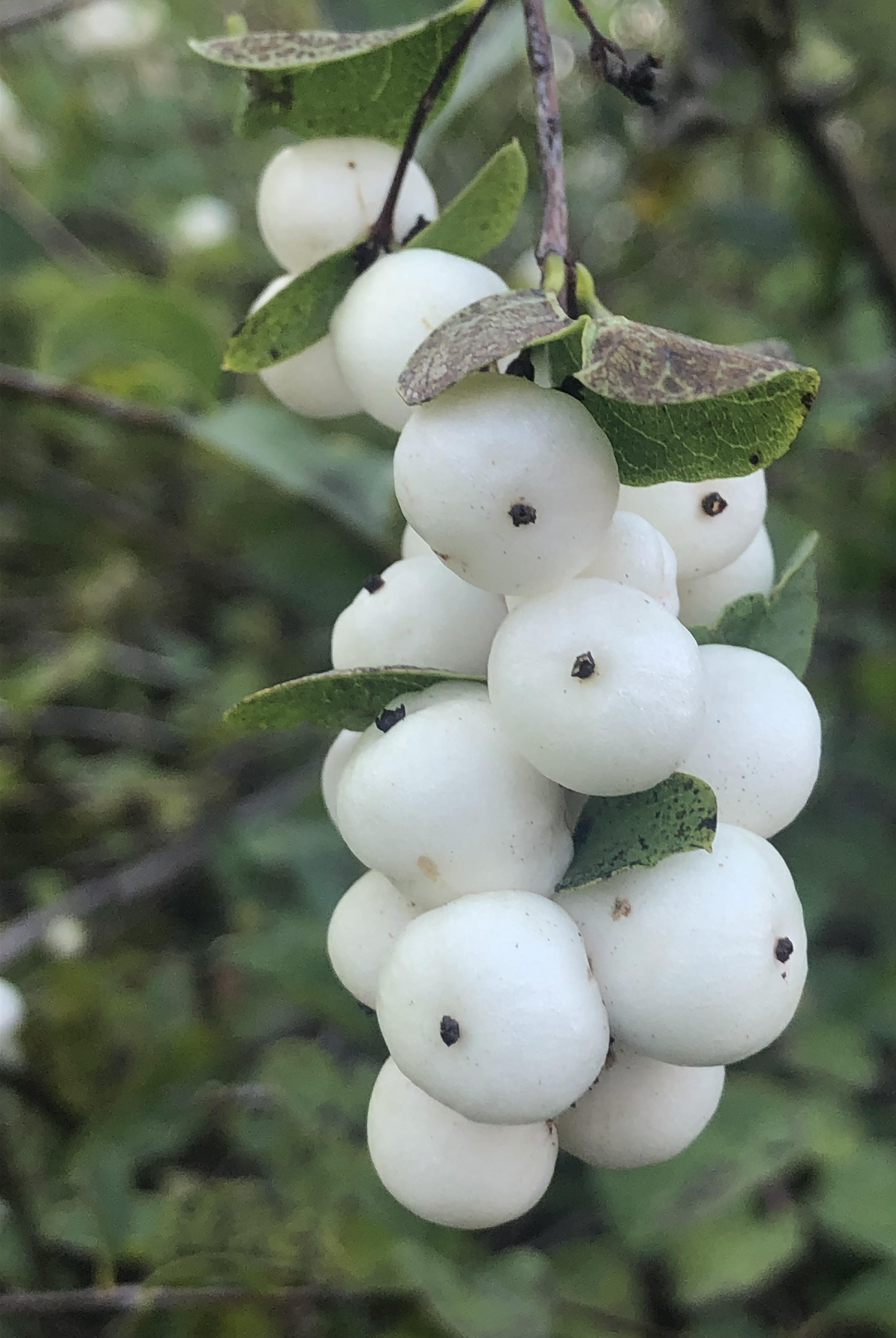
Common Snowberry is an erect deciduous shrub which can grow 2’-5’ tall and spread out to 4’-6’ wide in a rounded thicket spreading by root suckers. Limbs are multi-branched, slender and have brown, shreddy bark.

When winter gives way to spring, tiny leaf buds unfold into simple but often irregular, oval-shaped leaves (1–3 cm long to 6 cm on new shoots). The new shoots often have larger leaves with hairy undersides and are the most irregular shaped. They can be deeply lobed. The leaf margins (edges) can be smooth, lobed, or wavy-toothed. Leaves grow opposite on multi-branched limbs. Tiny, inconspicuous pinkish flowers (4–6 mm long) hang in clusters on the ends of branches. Similar to other species in the Caprifoliaceae or honeysuckle family, snowberry flowers are distinctly bell-shaped.

In late summer and autumn, fertilized flowers develop into round green fruits, which ripen into puffy white berries (8–12 mm across). Eventually, the green leaves turn yellow and fall from the branches leaving behind the berries that persist on the shrub through winter.

Snowberry has long been grown as an ornamental shrub in home gardens. Winter is its most conspicuous season, where its white berries stand out against leafless branches. Its dainty pinkish flowers are also attractive.  Symphoricarpos albus spreads by root suckers and is best given plenty of space to create a wild thicket.  It tolerates poor soil and neglect.  It is great for controlling erosion on slopes, riparian plantings, and for restoration.

Naturalized in the eastern United States, which means that it is not native to that region but over time it has proved to thrive and establish populations on its own volition and mine reclamation projects.

As for the scientific name? Symphoricarpos albus originates from the Greek word, symphorein, meaning bear together and carpos or karpos in Greek means fruit; and albus is white. Therefore, snowberry is named for its white fruit that grows or bears together in closely packed clusters.

Information of this particular post included the Plant Database of the United States Department of Agriculture. https://plants.usda.gov/home Both images were photographed by Bart Arenson in the woods of Vashon Island .

 

My Cat Doesn’t Like Catmint

Walker’s Low CatmintNepeta x faassenii

Nepeta x faassenii ‘Walker’s Low

The Perennial Plant Association selected Nepeta x faassenii ‘Walker’s Low as their Plant of the Year 2007. This herbaceous perennial in the mint family (Lamiaceae) is hardy in zones 3-8. The common name for the genus Nepeta (catmint) comes from the attractiveness to cats of the aromatic volatiles released from the broken stems. Although Nepeta cataria is the true catnip which drives house cats ecstatic, the leaves of ‘Walker’s Low are also attractive, albeit somewhat less enticing, to cats.

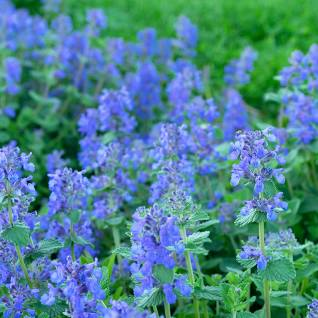
  Nepeta racemosa, also commonly called catmint, is native to the Caucuses and northern Iran. It is a low-growing perennial that typically forms a spreading clump of decumbent, ascending and upright stems to 12” tall and 18” wide. Features gray-green, hairy, ovate leaves (to 1” long) with crenate margins, prominent veining and heart-shaped bases. Leaves are highly aromatic when crushed or bruised. Pale lilac to deep violet two-lipped flowers (1/ 2” long) clustered in loose raceme-like verticillasters (false whorls) bloom in spring. Bloom may continue throughout summer into early fall under proper growing conditions and with proper shearing of spent flowers. Although Nepeta cataria is the true catnip which drives house cats ecstatic. The leaves of the Nepeta racemosa species are attractive, but also less appealing to cats.

Nepeta racemosa Walker’s Low

Walker’s Low catmint is an herbaceous perennial in the Lamiaceae (mint) family. It originated in west Asia and is a hybrid plant, the result of a cross between Nepeta racemosa and Nepeta nepetella. It was first cultivated by Faassen Nurseries in the Netherlands and named for a garden called Walker’s Low.

Walker’s Low catmint thrives in full sun and dry, even rocky, soil. If planted in the south, it should be in afternoon shade. In ideal conditions, it may grow as high as 2 feet with a spread of 18 to 36 inches. This plant can be divided in the spring and will not take over a garden bed, unlike most plants in the mint family.

On the other hand, If you are looking for something attractive and neat to fill a flower bed, Nmussinii (syn. N. racemosa) is a better bet. This is the species you’ll typically see listed generically as “catmint.”

Dear Readers, Beware of my photographs identity, and also the various immense genus and species names. Such names are often the opinions of nurseries, their growers and suppliers, whereas the mint family (Lamiaceae ) is enormous.