Simply Sedums

I’ve always liked the hardy sedums. No matter how callously treated they remain reliable, easily propagated and drought tolerant.  Withhold water and many species will respond by coloring up.  Colder fall and winter temperatures have the same effect.
Img_3418

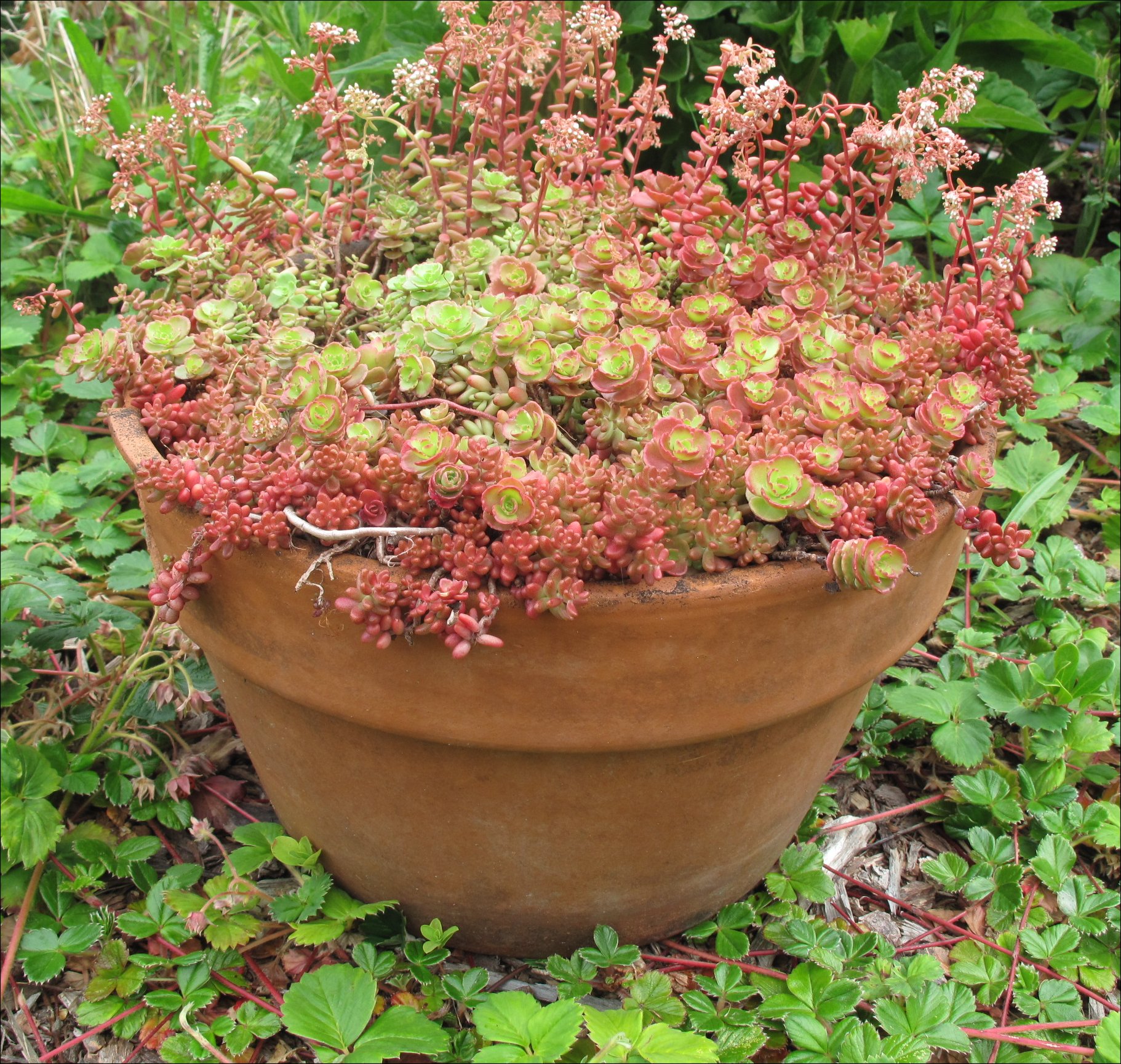
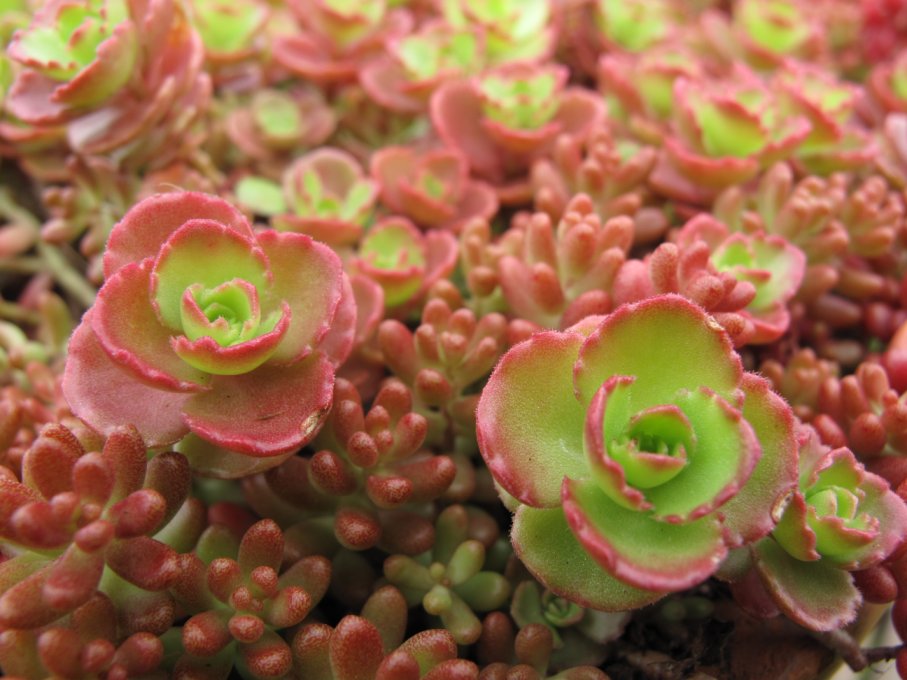
Sedum album & spathifolium cultivars in a terra cotta pot
Img_3417

Leaf detail of spathifolium cultivar

I lost track of this pot and discovered it tucked under another plant.

Neglect brought out the deeper red tones — on the leaf edges of the spathifolium and just about replacing all the green on the album — making both plants the perfect foil for the terra cotta pot and surrounding beach strawberries .The two sedums:  probably album ‘murale’ and an unknown spathifolium cultivar, are turning red in June, not from cold weather, but probably in response to water deprivation. The spathifolium is a native of Oregon. The album ‘murale’  is just now sending out stems topped with buds that will turn into tiny white flowers in a week or two.Most of my hardy sedums bloom with either white or yellow flowers in late spring and summer. Red leaf tones provide reliable fall ground cover color. Occasionally, like this summer, I was only a blue Campanula away from having an appropriate Forth of July pot.
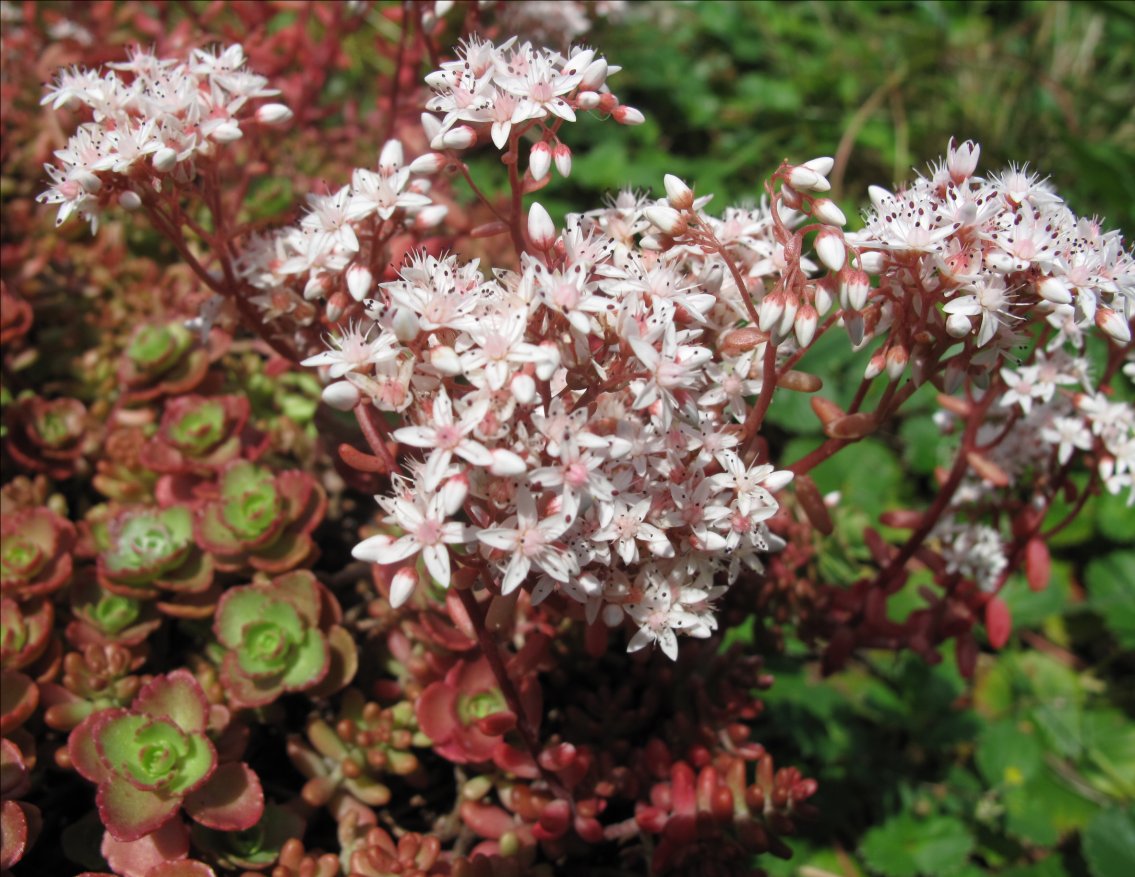
Sedum album 'murale'

-White blooms of Sedum album ‘murale’  sharing a pot with red Sedum spathifolium

LIke most of the hardy sedums, propagation is a breeze. Break off a piece of the plant and leave it laying about.  No need to even put it in soil immediately (though that’s fine too).  In a few days tiny roots will appear.

May Day Around the Garden

Here in the Pacific Northwest sunny warm weather emerged following on the heals of a cooler wet April.  And like an overdue seedling patiently watched for any signs of life, the five day forecast icons on the Vashon weather page finally showed mostly round yellow suns through the weekend.  Temps approaching 80° are promised by Sunday.

forecast

So inspired, I set aside an hour in the early afternoon to wander around the garden with camera in hand aiming for a photo-montage-sort-of-blog post (as little commentary as possible, save for captions).

So, after a few days of editing the pix, here goes:

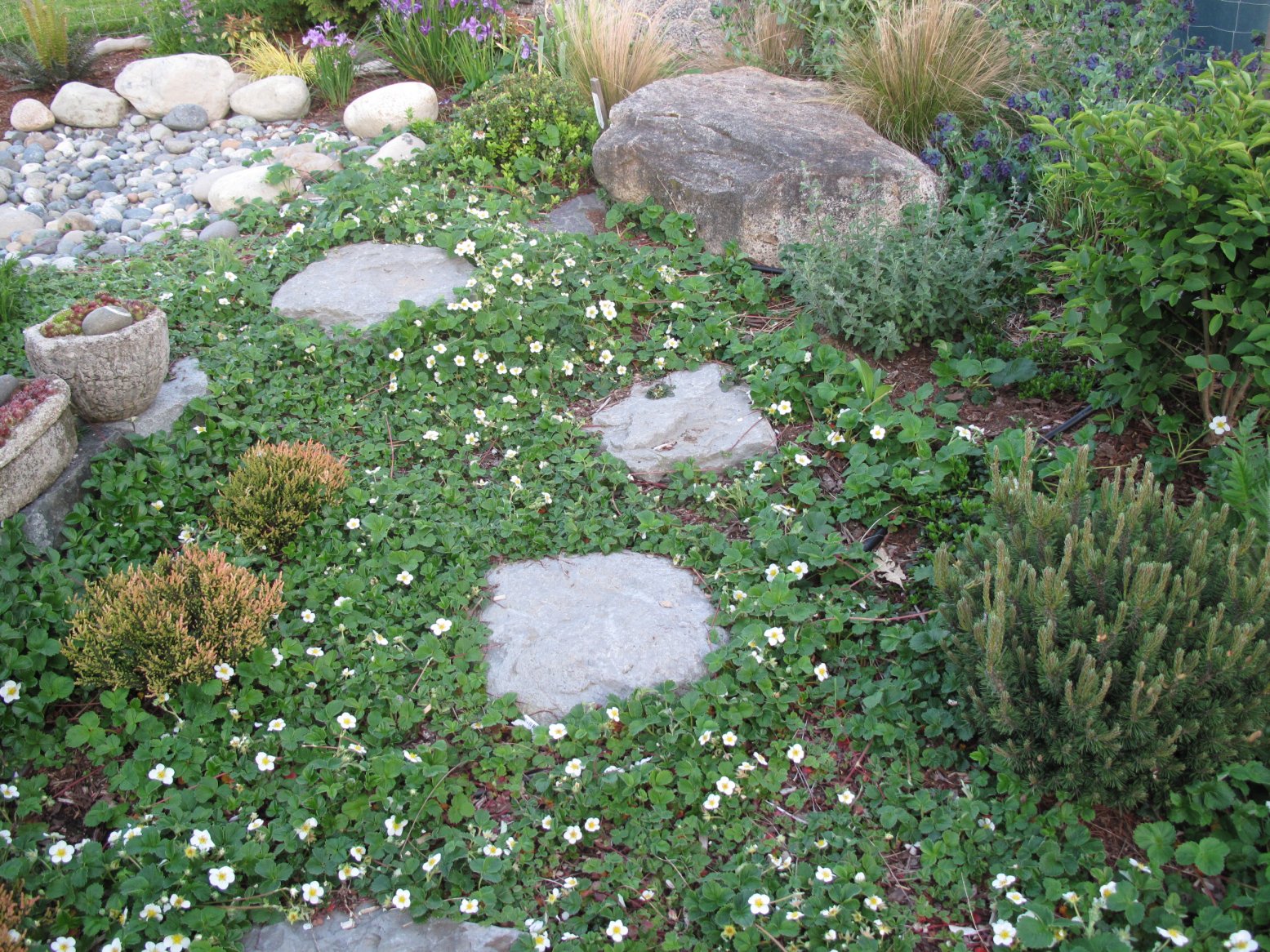
beach strawberries

Beach Strawberries (Fragaria chiloensis) – Washington State native

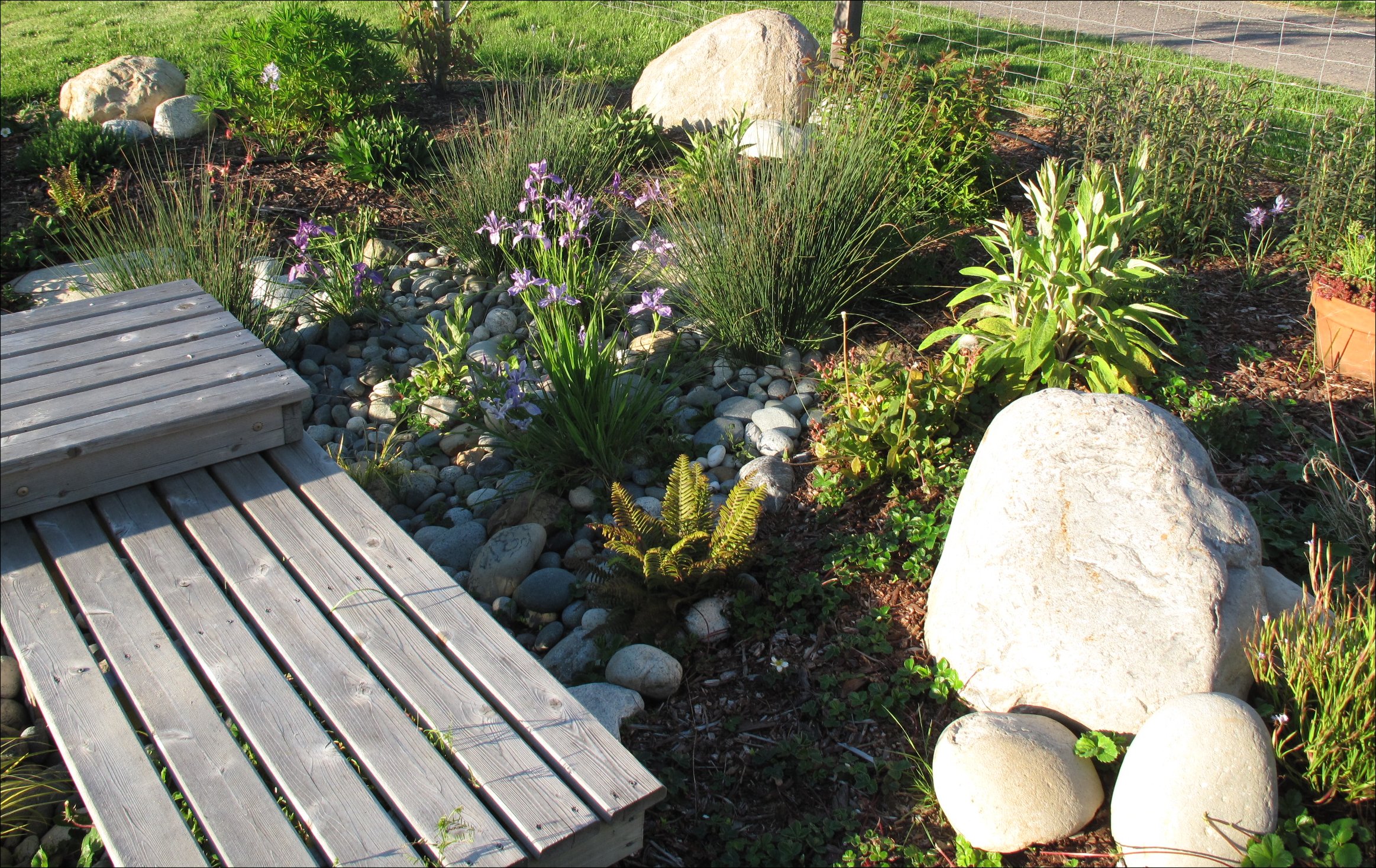
Img_3345

Oregon Iris and  Camas  bloom around Juncus, Foxglove, Sword Fern & Beach Strawberry in the Rain Garden

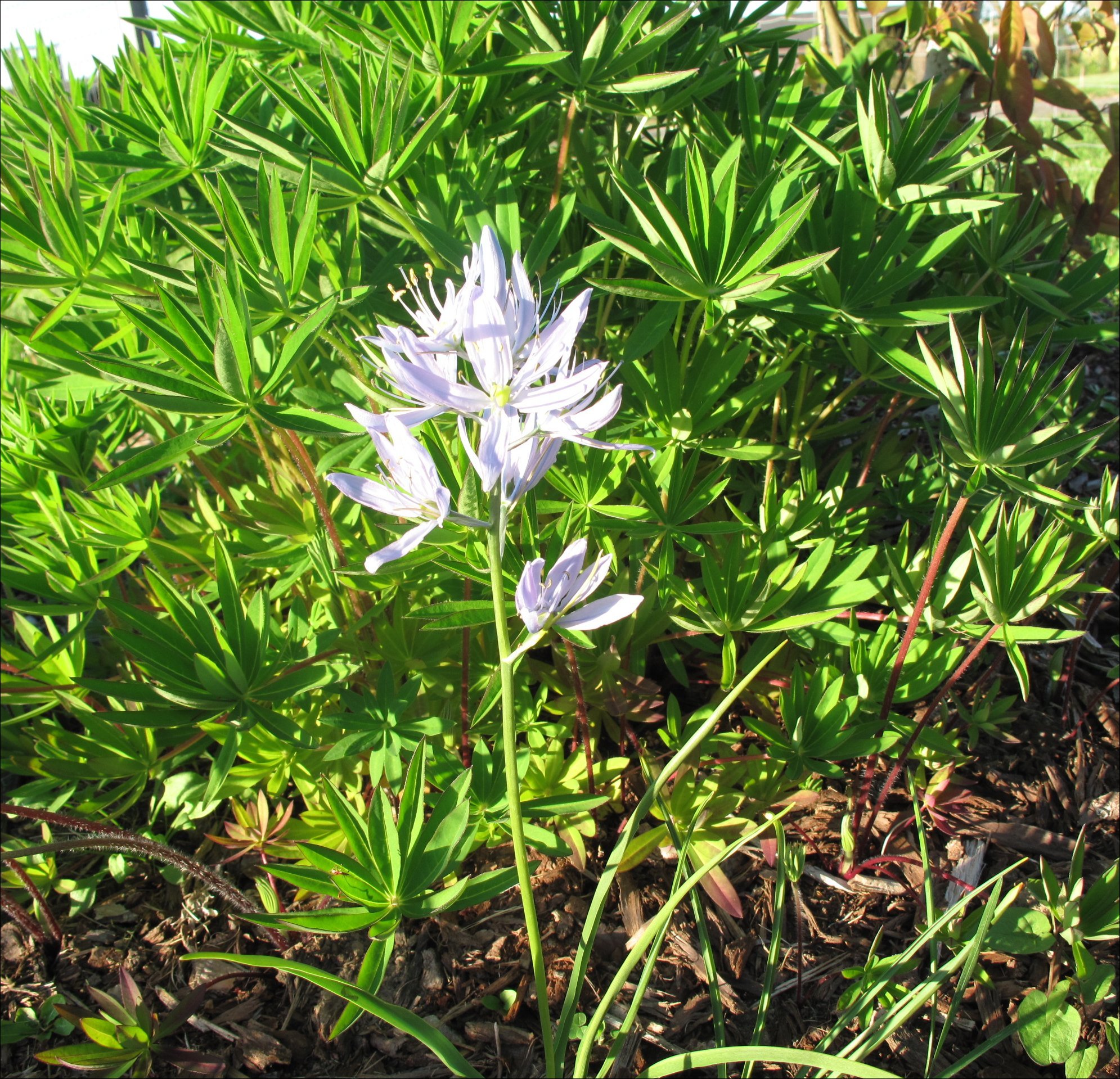
camas-lupine

Single Cammasia quamash blooming with Lupine leaves as backdrop (Rain Garden detail)

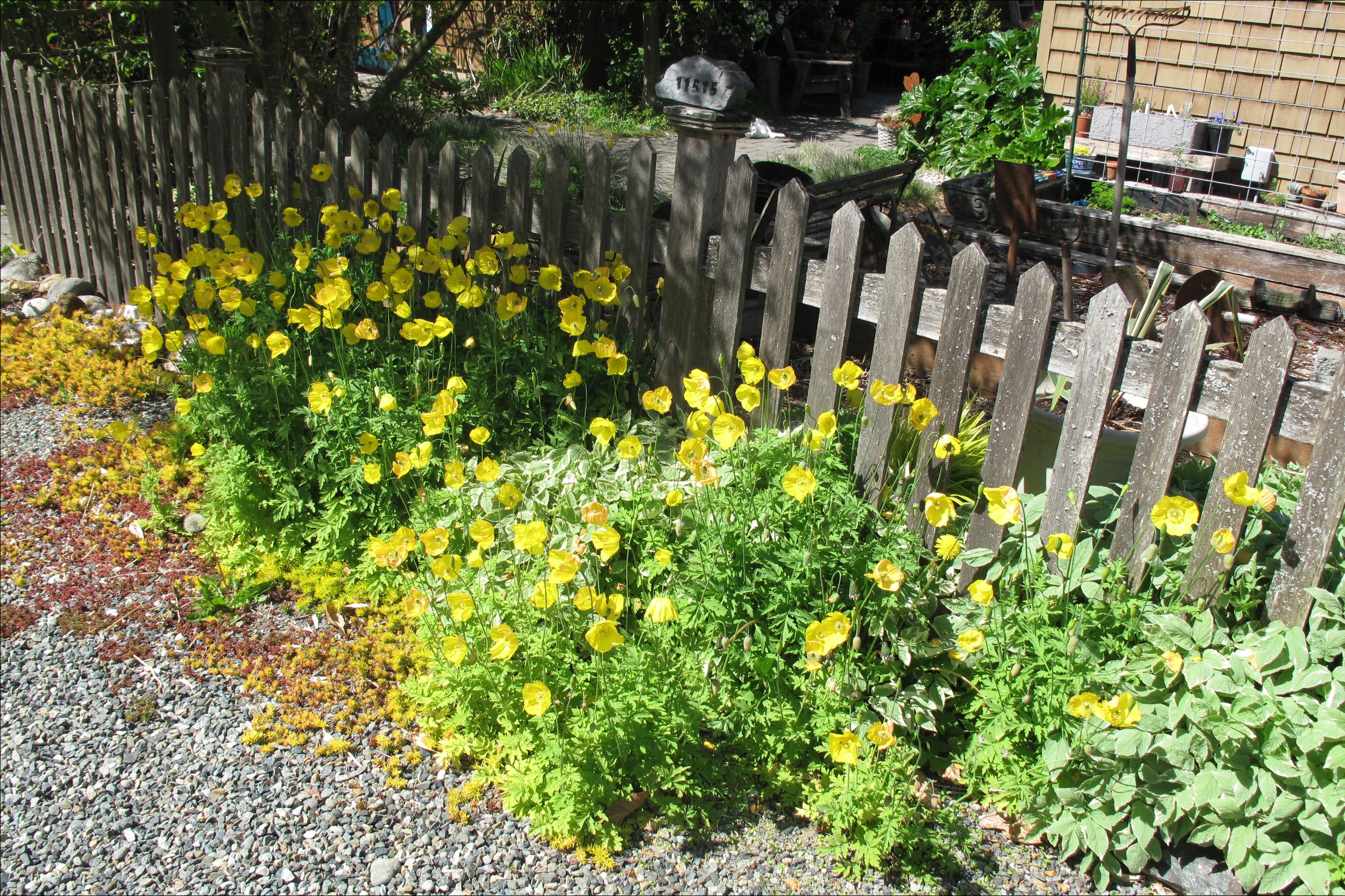
Welsh poppies

Meconopsis cambrica –  Welsh Poppies naturalizing in the sunny gravel driveway

Img_3308

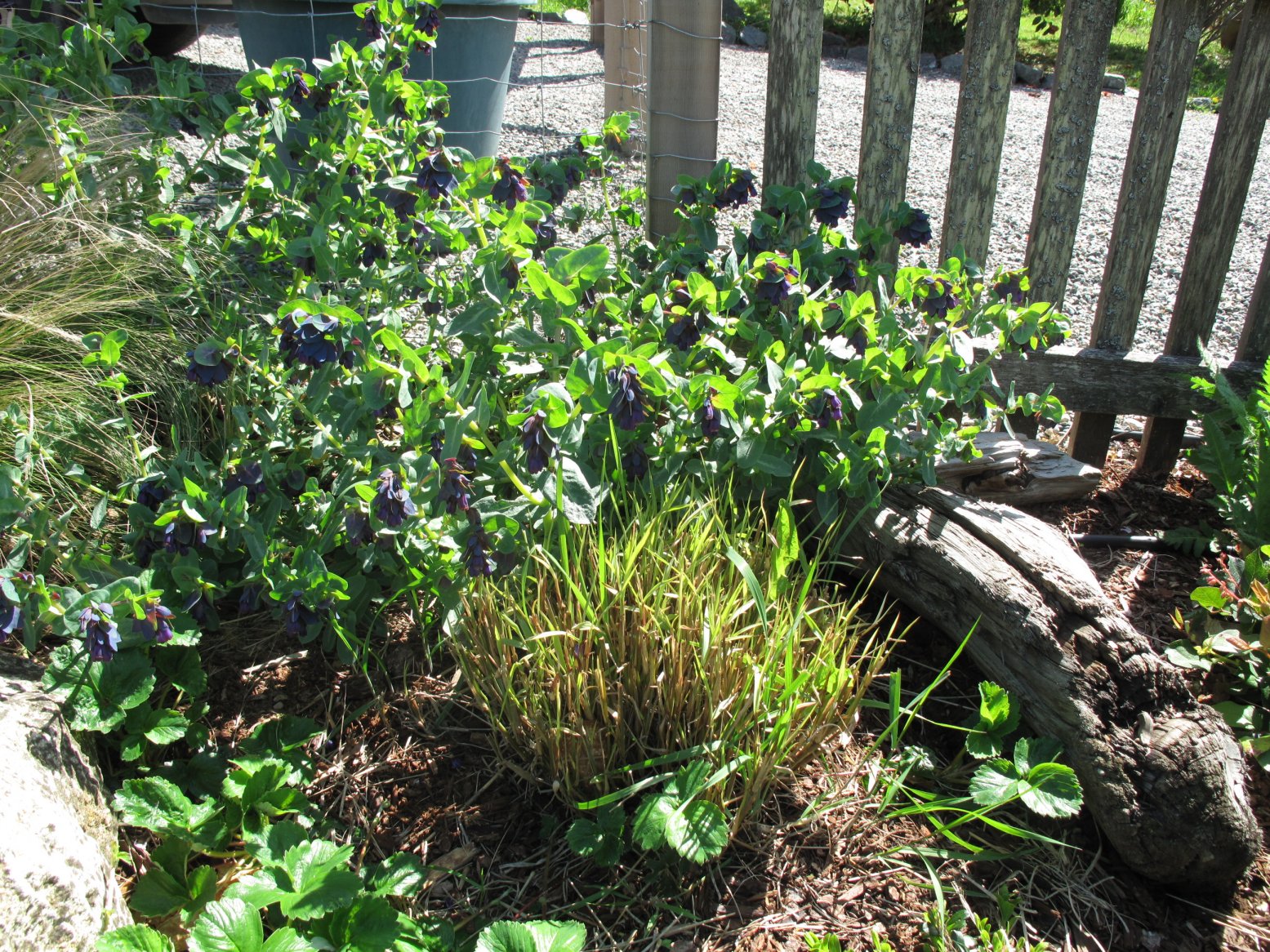
   Cerinthe major clump with Fragaria chiloensis (Beach Strawberry) in foreground

A alpina detail

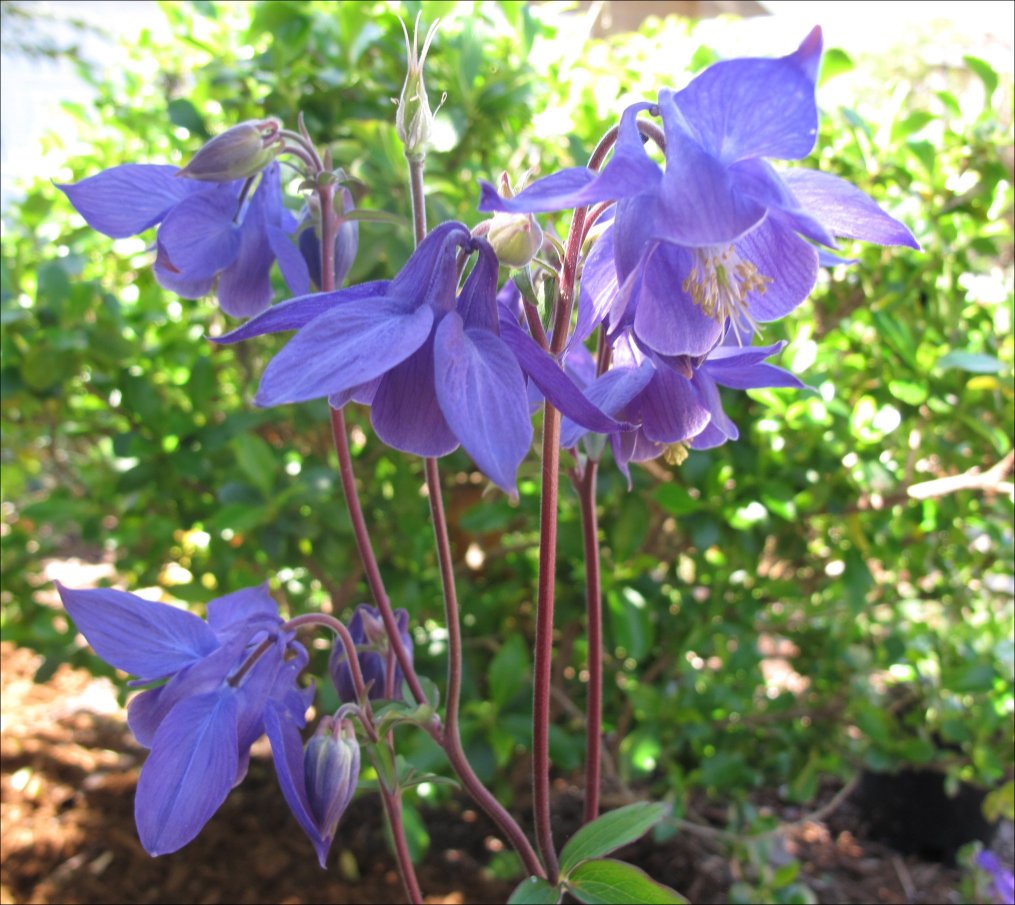
        Aquilegia alpina  Alpine Columbine – European native

Welsh poppie volunteer

Volunteer Welsh Poppy with Milk Cans

Img_3333

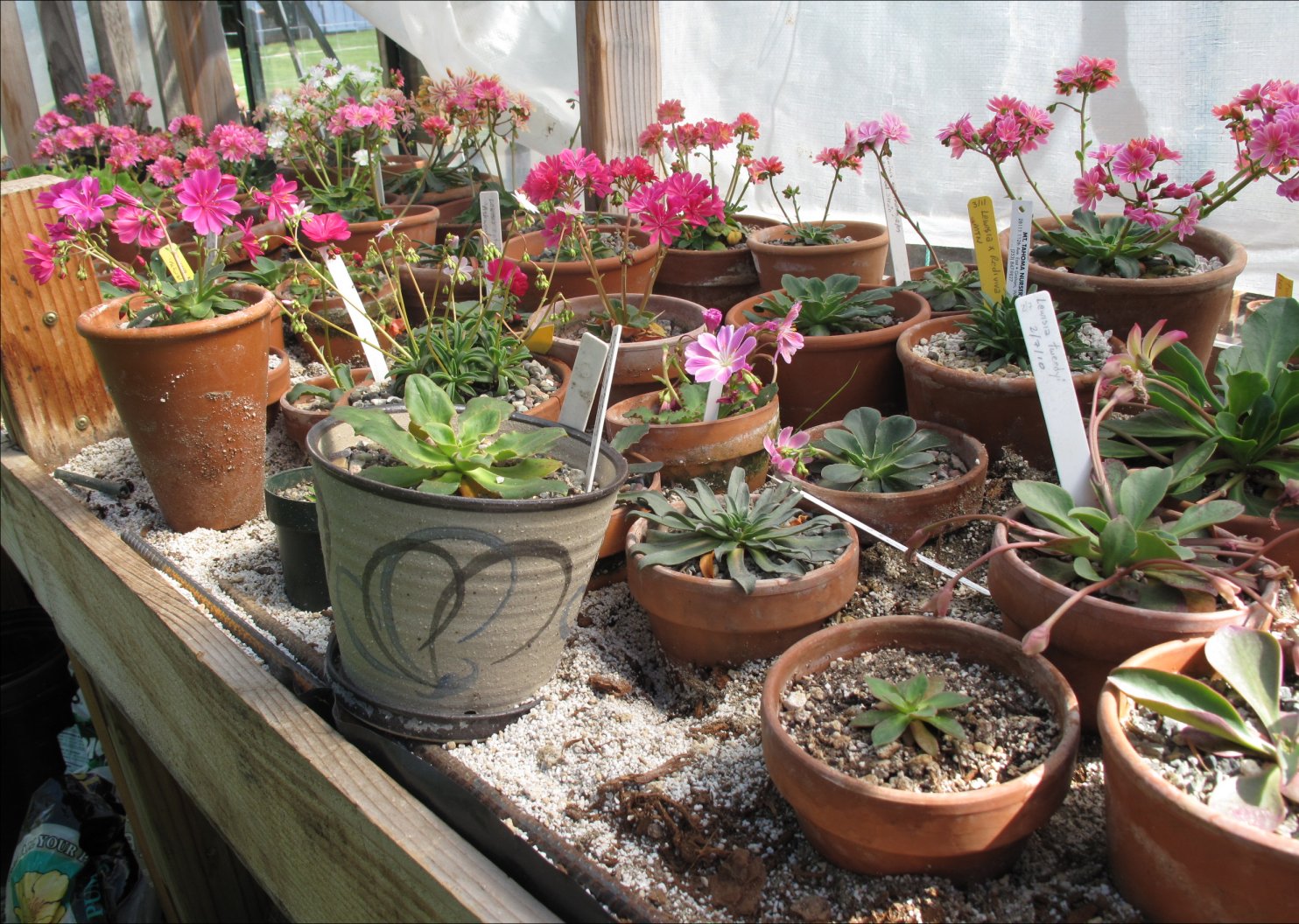
Lewisia bench with plants just beginning to bloom

cotyledon hybrid montage

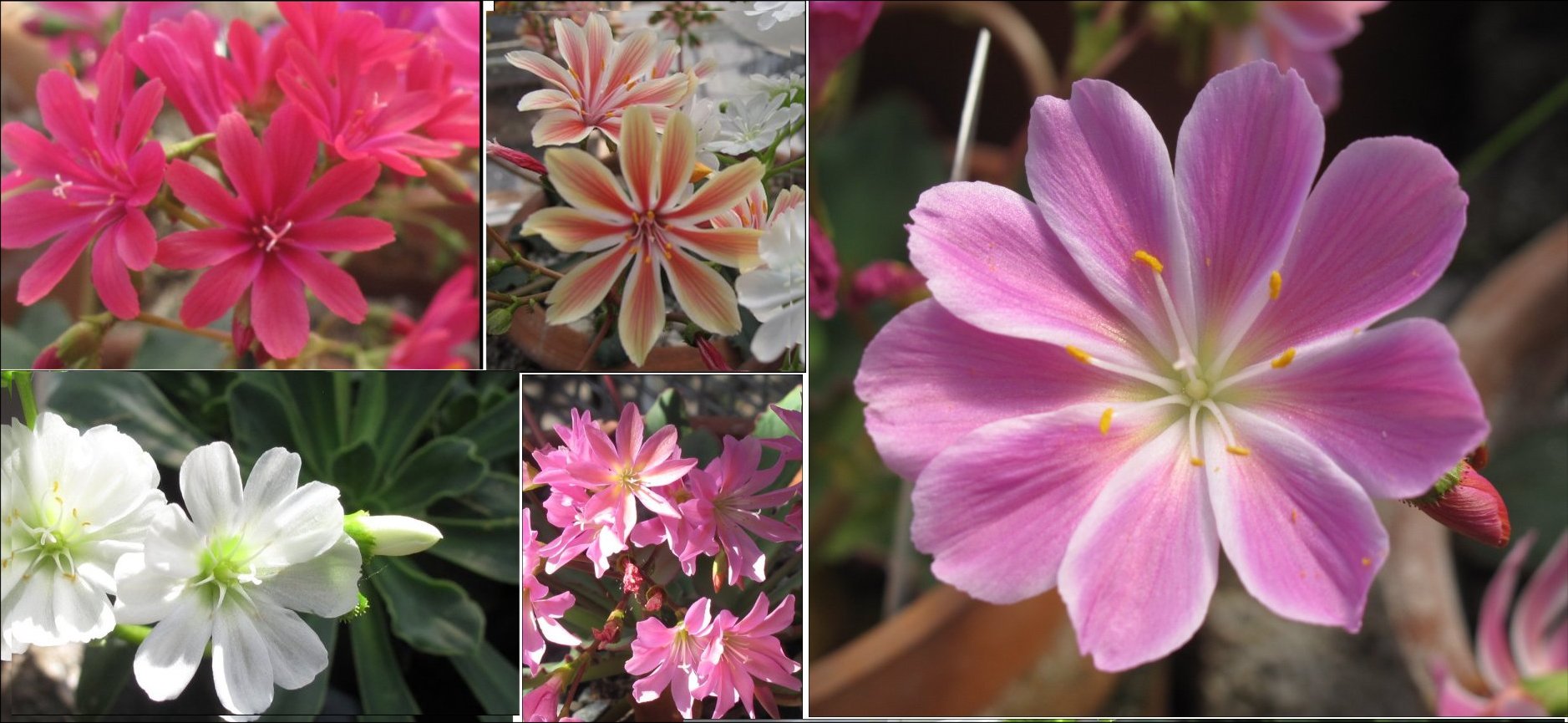
Lewisia cotyledon hybrid blooms

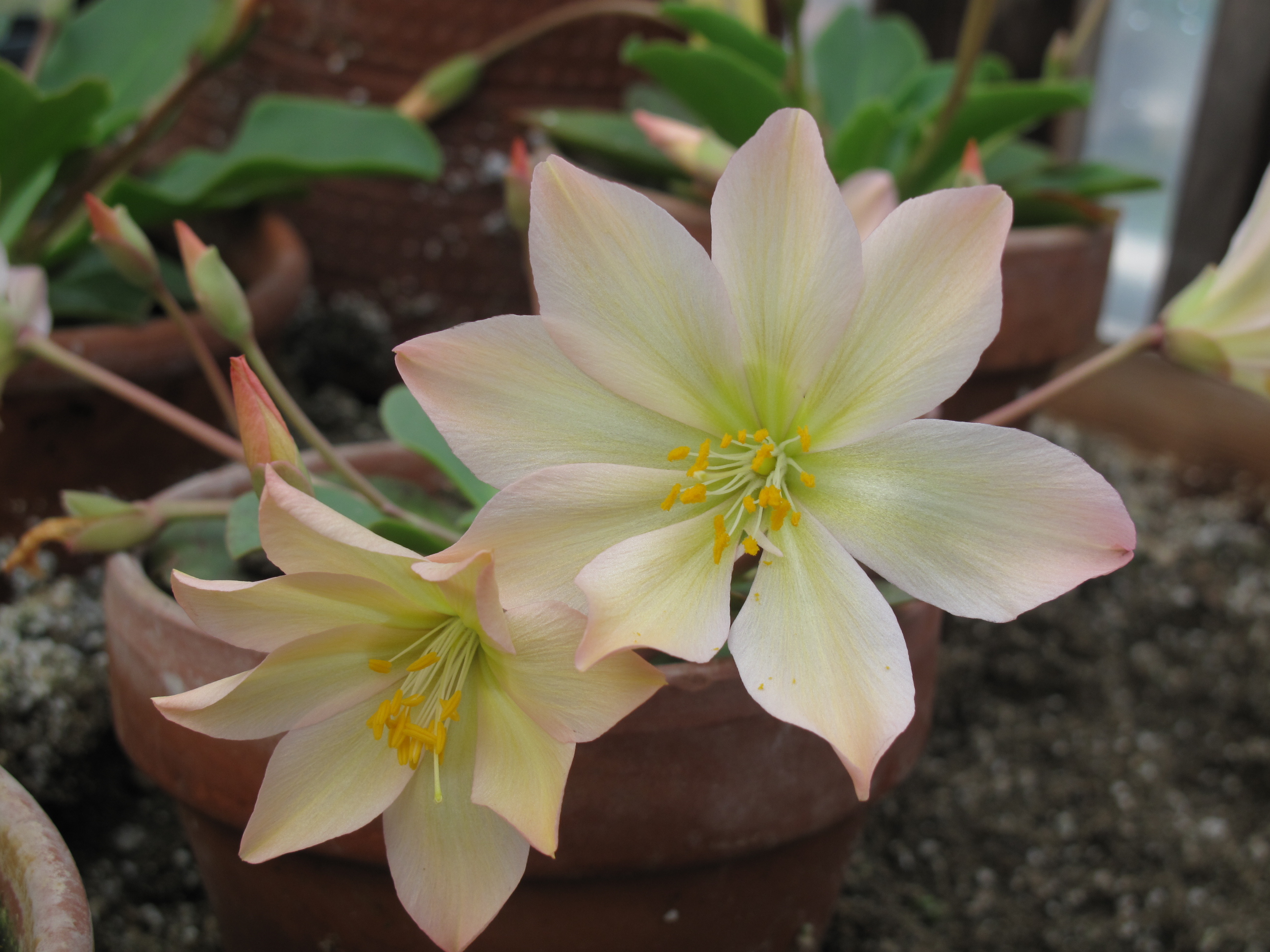
Lewisia tweedyi 'rosea from Fringe Nursery in Seattle

               Lewisia tweedyi ‘rosea from Fringe Nursery in Seattle

Tweedy’s Bitterroot

It doesn’t take much to get me to sit down and write a blog post about my favorite Lewisia.  For weeks now I’ve been anticipating the first blooms from plants I started three years ago from seed.

IMG_3196

L. tweedyi blooms from seed sown in Feb. 2010

For years, Tweedy’s Bitteroot  was considered part of the small western North American  genus Lewisia.  These days the researchers and scientists have been shifting it around the taxonomic landscape, first moving to a different Family (out of Portulacaceae and into Montiaceae), grouping it  with Claytonia and the Montia genuses.

Though some of these scholars first assigned it to the genus Cistanthe, as far as I can tell, they’re making the case for a new genus called Lewisiopsis (probably a sop to those of us who see it rightly belonging with the other bitterroots rather than plants with the common name of “pussypaws!”).  The resulting genus of Lewisiopsis  now apparently contains only the former Lewisia ‘tweedyi’.

Lewisias -on-bench

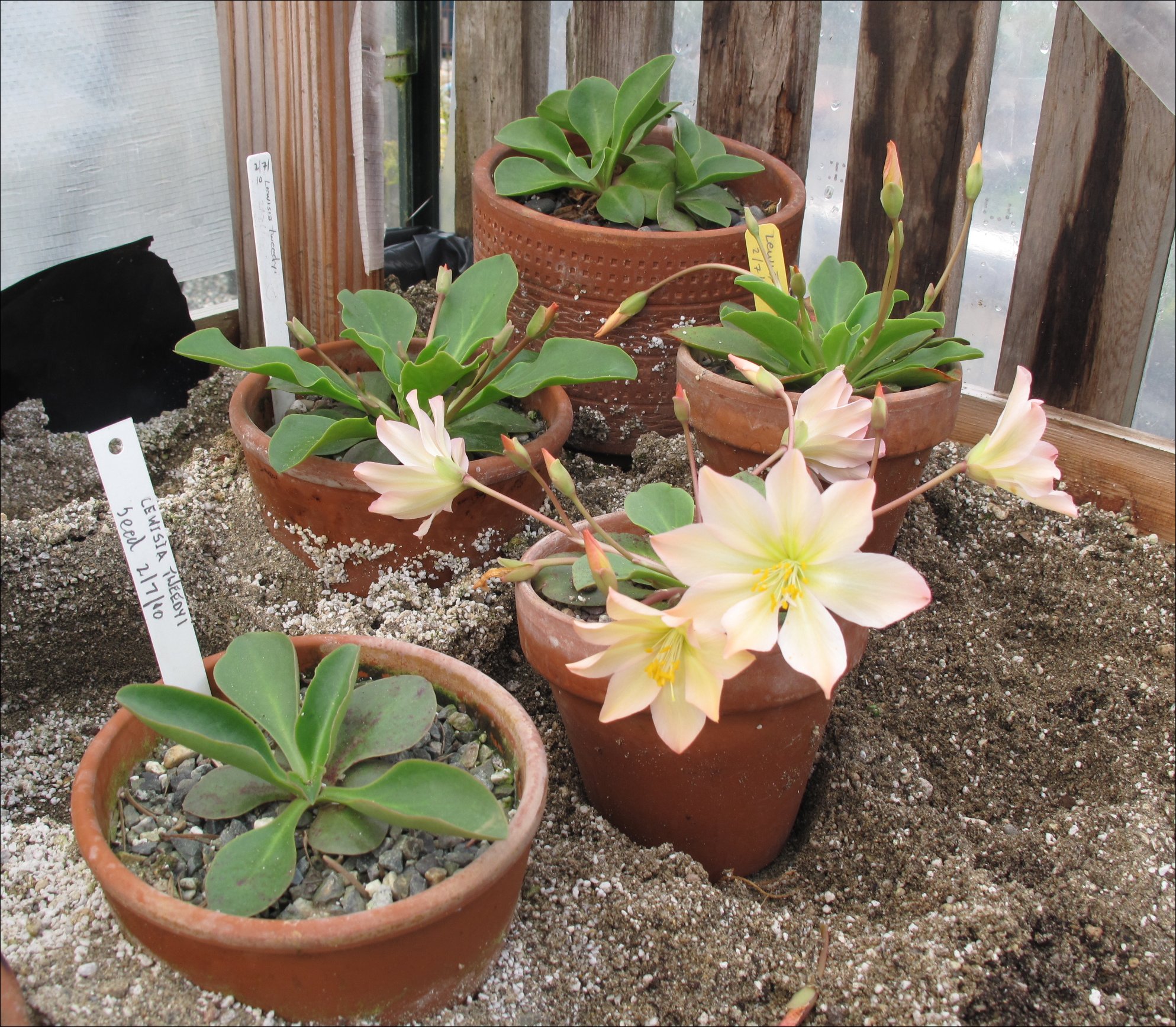
3-year old Lewisia ‘tweedyi’ in clay pots at home on the sand plunge bench

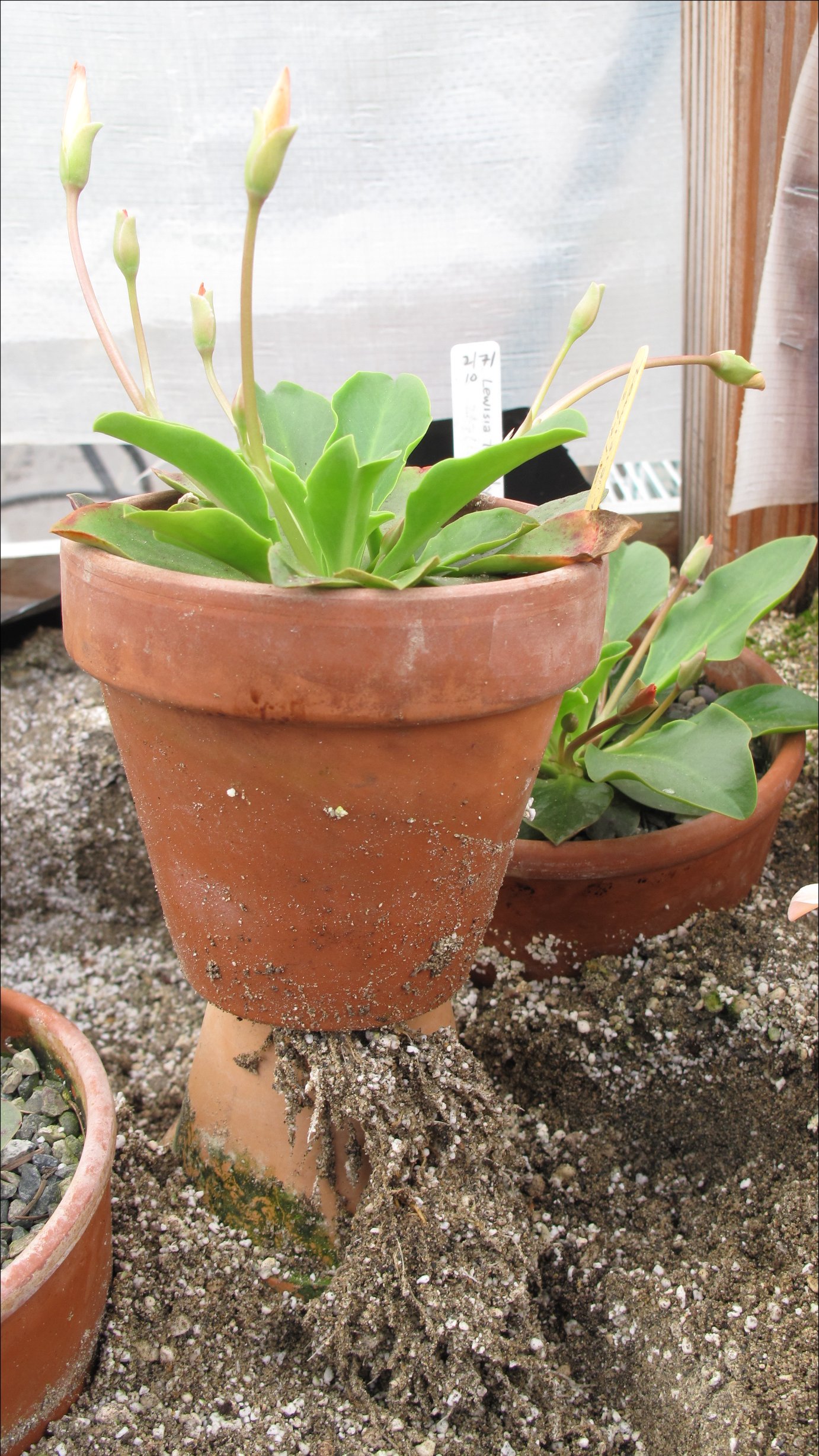
L tweedyi roots

Out of the sand with roots showing

So should any of this be of the slightest concern to rock gardeners and plant lovers?  Probably not, but rest assured I will never refer to this plant as Tweedy’s pussypaws (ugh). One thing is certain, Frank Tweedy — a topographic engineer and plant collector for the USGS — is credited for putting this northwest native on the horticultural map in 1882, when climbed Mt. Stuart near Wenatchee, Washington. For more on Frank Tweedy’s horticultural achievements, read this post.

So if you’ve read this far, check out this picture of tweddyi’s long root system, which ensures this plant its longevity and adaptability to the rocky scree-like soils of its home in the mountains.

Imagine coming across this little beauty while hiking around Icicle Creek Ridge near Leavenworth.  Although I have yet to see it in the wild, this is the first time I can claim to have watched it go from seedling to flower.

My seed came from Alan Bradshaw, proprietor of Alplains (Alpine Plants on the Plains), in Kiowa Colorado.  Alan collected the seed in 2009, while on one of his many far ranging trips around the west. In the 2010 Alplains catalog he remarked on taxonomy, “Some botanists regard this species worthy of its own genus given seed differences and its refusal to cross with other Lewisia species.”

For more on the history of Tweedy’s Bitterroot, see my previous post.