Colchicum Conundrum

My Colchicum conundrum is not having to choose which of these stunning fall bloomers to buy and plant in the landscape.
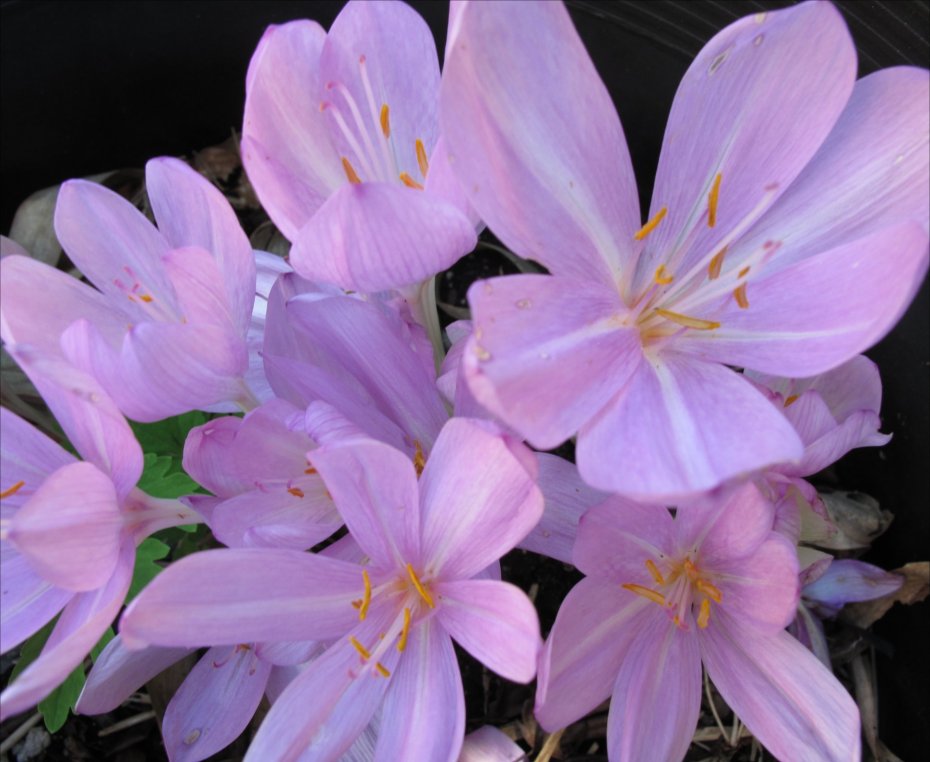
Colchicum autumnale cultivar

Colchicum autumnale cultivar

Nor is it confusion about why the flowers emerge from the ground in autumn sans leaves.

No, my problem is getting them out of the back plastic pots and actually integrating them into the landscape or borders.  Lately, it’s finding the pots in the first place. I had a Colchicum with a waterlily-like bloom at one time, but after the blooms are finished or once the summer big strapping leaves are brown and gone, it becomes harder to identify the pot. I may have discarded the soil without noticing the Colchicum corms.
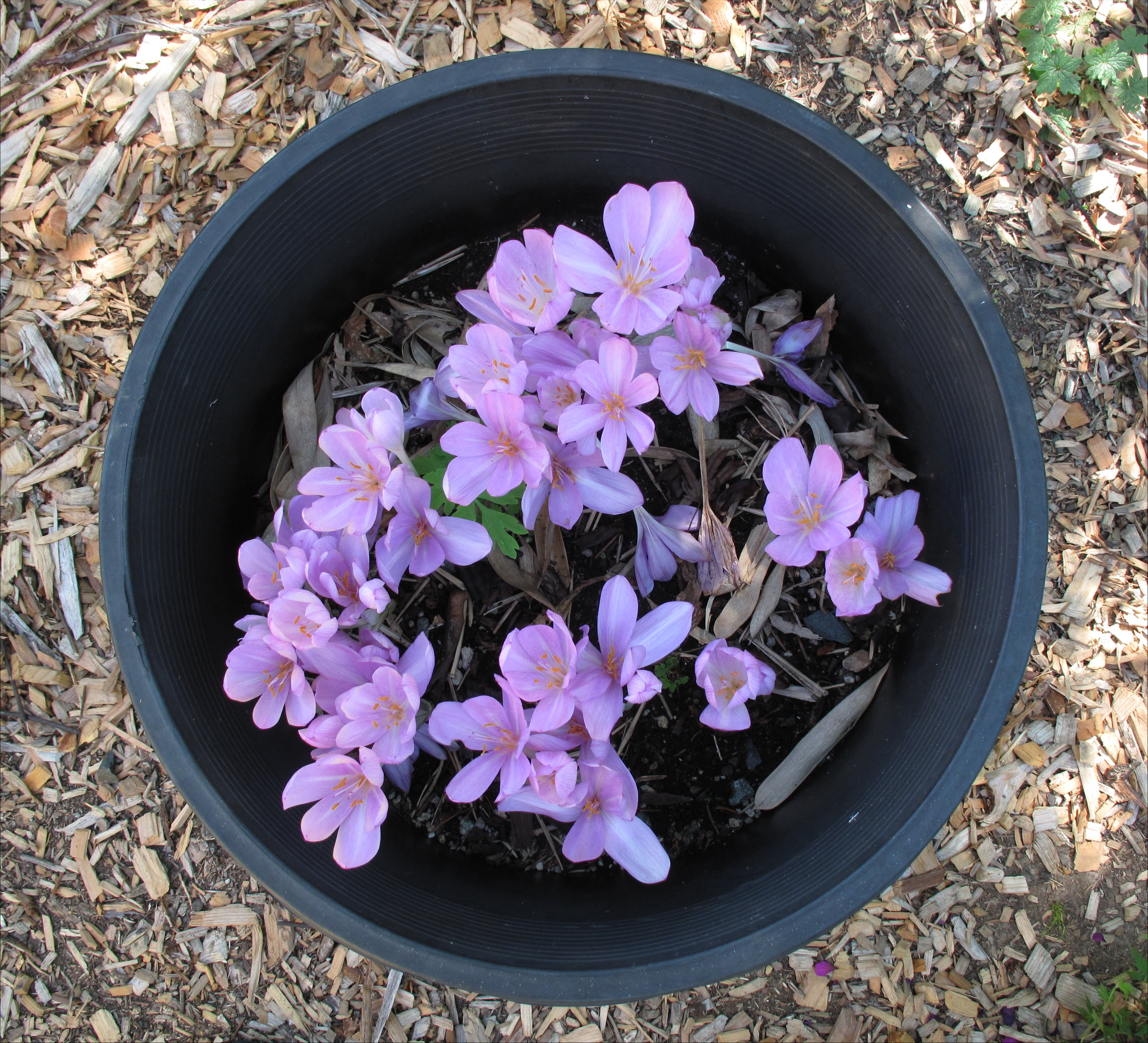
colchicum autumnale plastic pot

Colchicum autumnale (aka Naked Lady, Meadow Saffron & Autumn Crocus)

Usually right after blooming I move the pots to a storage area and forget about them.  When the strap like leaves appear, which are easily recognizable, I’m reminded of the fall bloom to come and to water throughout the spring and summer.

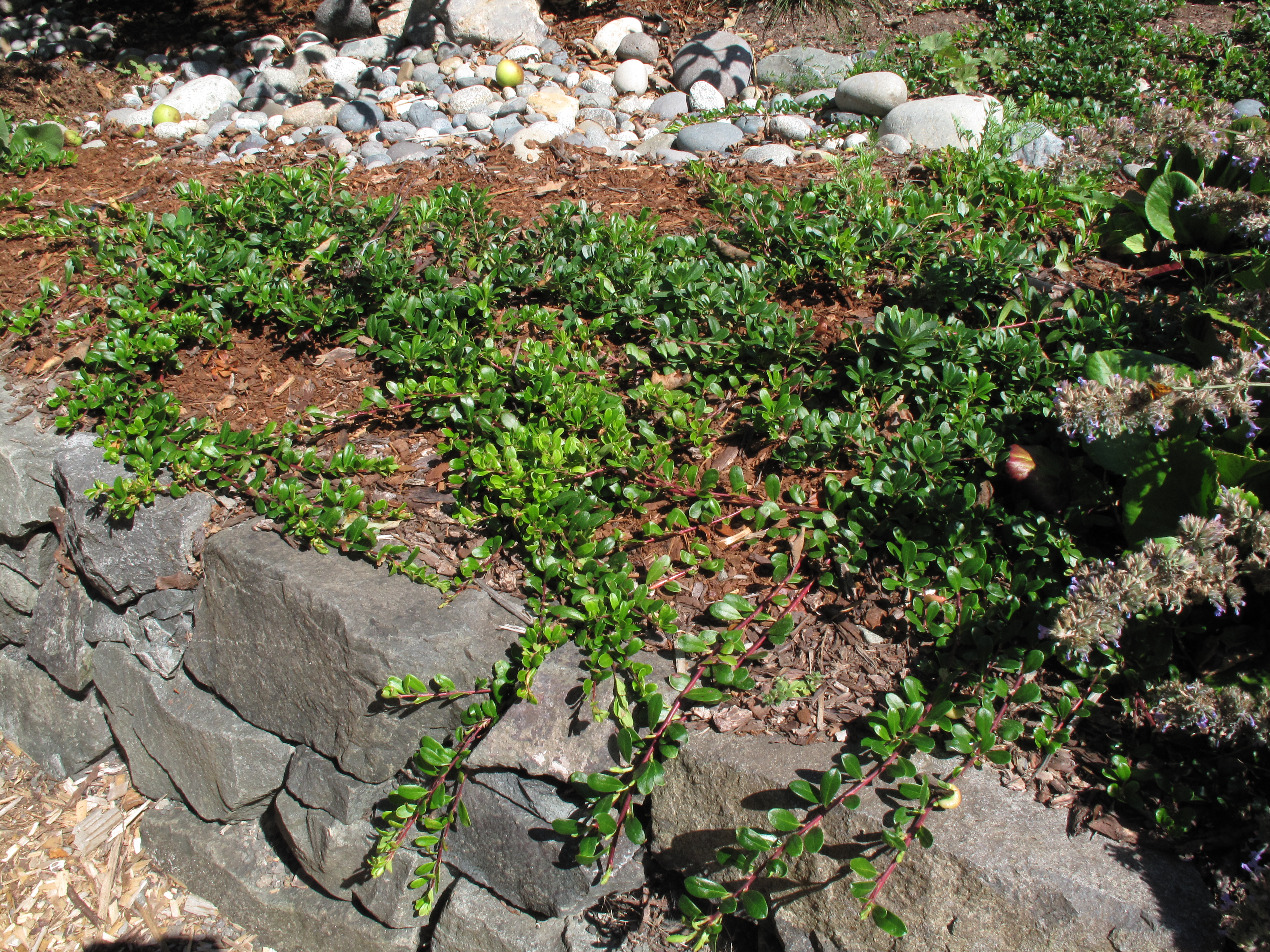
As far as integrating Colchicums into the garden beds —  I originally thought it would be a simple matter of choosing the front of the border with a low growing evergreen ground cover such as Ceanothus ‘Point Reyes’,  a prostrate catoneaster or even our Pacific Northwest native Kinnikinnick.
IMG_3983

Kinnikinnick aka Bearberry (Arctostaphylos uva-ursi)

The fall flowers would pop right through the carpet of green and all would look great.  But how to handle the rest of the year is the thorny issue, especially when the tall clump of strap-like leaves distracts from the other spring and summer plants.

When the clump of leaves finally browns out and the corm underground is sufficiently rejuvenated for fall bloom, then it’s an easy matter of removing the browned out leaves. Until that time though the leaves seem out of scale and superfluous.

Having just now reread the post one solution seems rather obvious to me:  Just buy some better looking pots suitable for placing in the landscape.  I could even transfer the corms back to the plastic pots for the post bloom period right through summer and use the better pots for another plant.

That said, I would love to hear how other gardeners might handle this conundrum in their own gardens.
Pacific Northwest Natives Up Close

If you take pleasure in the details of plants, natives in particular, then even the most common occurring varieties make fine subjects for photos, especially extreme closeups.

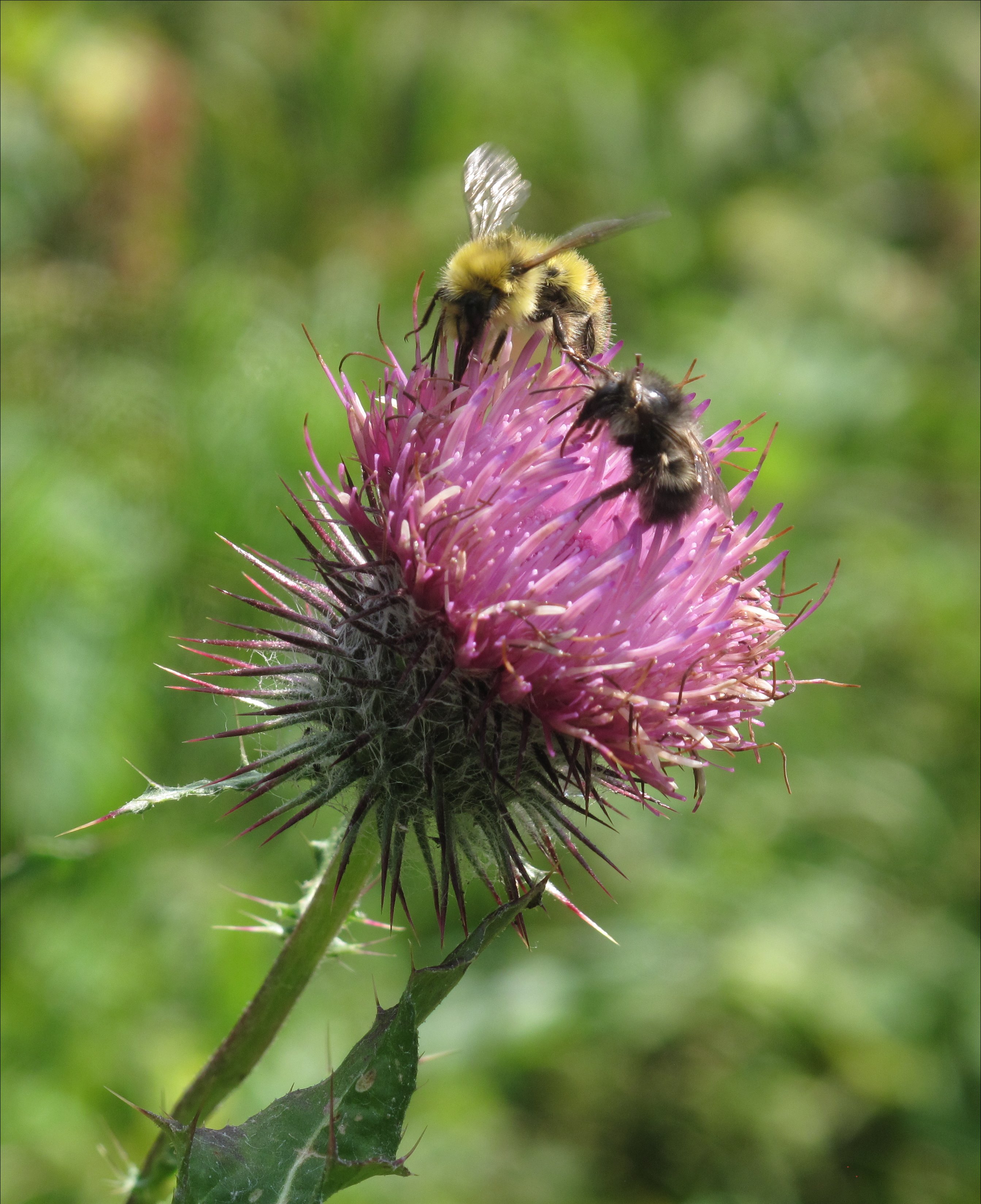
two bees on Indian thistle

Two bees at work on an Indian thistle flower head (Cirsium edule)

Last weekend I took a wildflower photography course at the Environmental Learning Center, which is part of the North Cascades Institute (NCI), and is adjacent to Diablo Dam on the upper Skagit River in the North Cascades National Park. The Environmental Learning Center is a partnership between NCI and the National Park Service.

The course was taught by Mark Turner of Bellingham.  Mark is co-author, with Phyllis Gustafson, of the Timber Press Field Guide, Wildflowers of the Pacific Northwest. Mark, a professional photographer specializing in botanical subjects, is especially knowledgeable about Northwest native plants and their habitats.   On the last teaching day of the weekend, he led us up Sauk Mountain, which was ablaze with wildflowers.

Here are three more photos from the weekend:

Flower Head of Orange Agoseris (Agoseris aurantiaca)

Flower Head of Orange Agoseris (Agoseris aurantiaca)

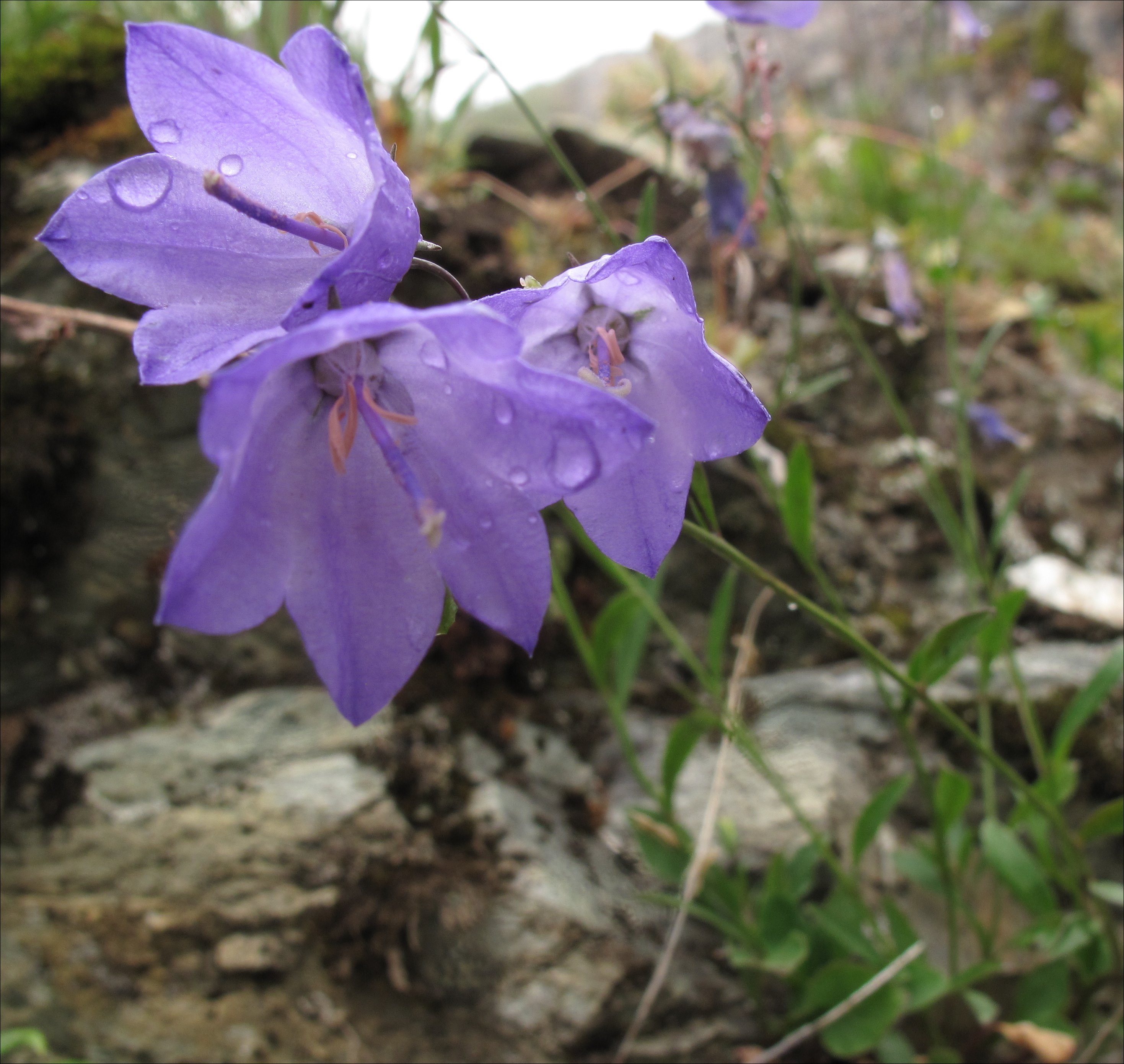
Campanula rotundifolio (Common harebell, Scotch bluebell)

Campanula rotundifolio (Common harebell, Scotch bluebell)

Shrubby Pnestemon (Penestemon fruiticosus

Shrubby Penstemon (Penstemon fruiticosus)

Frank Tweedy

Frank Tweedy is probably best known among alpine plant enthusiasts for the species that bears his name Lewisia tweedyii (now residing in its own genus Lewisiopsis).

Tweedys Bitterroot

Tweedy’s Bitteroot

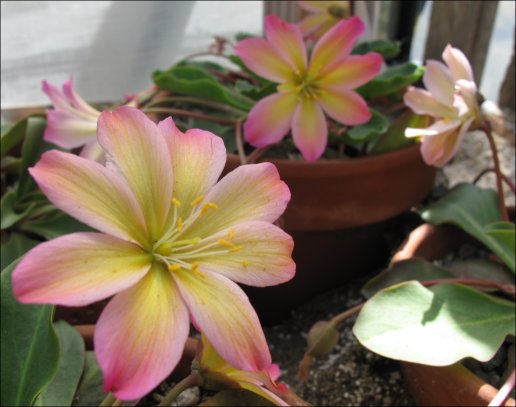
Frank was working for the U.S Government as a railway surveyor on Mt Stuart in the Cascade Mountains near Wenatchee, WA when in 1882 he “discovered” this beauty. Bloom color ranges from stunning deep and pastel pinks with yellowish orange highlights to specimens that have “earned” the epithet rosea, presumably for the deeper red highlights.

Lewisia tweedyii 'rosea'

Lewisia tweedyii ‘rosea’

Two other northwest native species are named for Frank, Calamagrostis tweedyi (Cascade Reedgrass) and Salix tweedyi (Tweedy’s Willow).

In 1886 Frank self published (in conjunction with the Library of the New York Botanical Garden) his “Flora of the Yellowstone National Park,” which I was able to download to my Nook (free of charge) courtesy of Barnes & Noble. You can also view a digitized addition right now courtesy of BHL (Biodiversity Heritage Library).

Frank was apparently quite a modest guy, beginning his preface in a rather self-deprecating tone:

“In the following general notes on the flora of the Yellowstone National Park but little has been attempted beyond an enumeration of the Flowering Plants (Phsenogamia) and Vascular Cryptogams (Pteridophyta).”

Hardly “but little,” since Frank goes on to write that his book is “a collection of 605 species made by the author in the Yellowstone National Park during August and September, 1884; and June, July, August and September, 1885.”

I’ve only just begun delving into the book, but it’s clear Frank was a serious plantsman, naturalist and a keen observer of habitat. He begins his treatise with a description of the various parts of the park.  Here’s a sample:

In the northwest rises the Gallatin Range, culminating in
Electric Peak, 11,000 feet above sea level. On the estern border lie the rigged volcanic peaks of the Absaroka or Yellowstone Range, reaching elevations of 10,800 feet on the north east, and over 11,00 feet on the southeast.

Absaroka is the Indian name of the Crow Nation, whose reservation is on the eastern slope of this range of mountains….

…Yellowstone Lake (7,740 feet), the largest lake at great elevation in North America, has a length and breadth of respectively twenty and fifteen miles, a depth of 300 feet, and an area of 150 square miles.  The shore line, indented by several large bays, is over 100 miles.

The beautiful curves of the sandy beaches and crystal purity of its waters, make it an object of unusual interest. With the exception of the Yellowstone Range, rising from its easter shore, it is surrounded by a generally low, heavily timbered country.

While searching for more information on Frank, I serendipitously stumbled on this lovely post by Julie Ardery, creator of the fabulous blog The Human Flower Project.  Julie, a descendent of Frank,  discovered her botanist  ancestor shortly before a family reunion in 2010. Check it out:  The Botanist Gene.

For more on the plant, see this post: Tweedy’s Bitteroot